Kyoko Takenaka Movies, TV Shows, and Filmography

Kyoko Takenaka
Acting
Biography
No biography available.
Filmography Movies
Acting
Home
In “Home,” artist and filmmaker Kyoko Takenaka unveils a visual and sonic portrait of belonging and memory in four chapters. Calling upon the experiences that underline her otherness as an Asian-American, the film chronicles her contemplations through original song and poetry, as well as video clips, audio recordings and digital conversations captured from real-life experiences over the span of 7 years. Through references to pop culture, racist imitations of Asians, and a defining return to her childhood home, “Home” is a multimedia statement on how the affirmation of culture, resistance and resilience can disrupt enduring myths and redeem our histories.
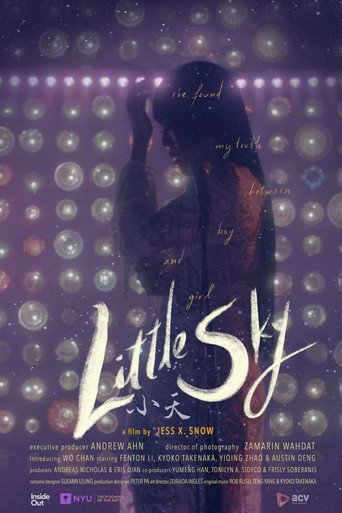
Little Sky
A non-binary Chinese-American drag queen returns to their home town to confront their estranged father about the childhood memories that continues to haunt them.
Production
Home
In “Home,” artist and filmmaker Kyoko Takenaka unveils a visual and sonic portrait of belonging and memory in four chapters. Calling upon the experiences that underline her otherness as an Asian-American, the film chronicles her contemplations through original song and poetry, as well as video clips, audio recordings and digital conversations captured from real-life experiences over the span of 7 years. Through references to pop culture, racist imitations of Asians, and a defining return to her childhood home, “Home” is a multimedia statement on how the affirmation of culture, resistance and resilience can disrupt enduring myths and redeem our histories.
Home
In “Home,” artist and filmmaker Kyoko Takenaka unveils a visual and sonic portrait of belonging and memory in four chapters. Calling upon the experiences that underline her otherness as an Asian-American, the film chronicles her contemplations through original song and poetry, as well as video clips, audio recordings and digital conversations captured from real-life experiences over the span of 7 years. Through references to pop culture, racist imitations of Asians, and a defining return to her childhood home, “Home” is a multimedia statement on how the affirmation of culture, resistance and resilience can disrupt enduring myths and redeem our histories.
Home
In “Home,” artist and filmmaker Kyoko Takenaka unveils a visual and sonic portrait of belonging and memory in four chapters. Calling upon the experiences that underline her otherness as an Asian-American, the film chronicles her contemplations through original song and poetry, as well as video clips, audio recordings and digital conversations captured from real-life experiences over the span of 7 years. Through references to pop culture, racist imitations of Asians, and a defining return to her childhood home, “Home” is a multimedia statement on how the affirmation of culture, resistance and resilience can disrupt enduring myths and redeem our histories.
Home
In “Home,” artist and filmmaker Kyoko Takenaka unveils a visual and sonic portrait of belonging and memory in four chapters. Calling upon the experiences that underline her otherness as an Asian-American, the film chronicles her contemplations through original song and poetry, as well as video clips, audio recordings and digital conversations captured from real-life experiences over the span of 7 years. Through references to pop culture, racist imitations of Asians, and a defining return to her childhood home, “Home” is a multimedia statement on how the affirmation of culture, resistance and resilience can disrupt enduring myths and redeem our histories.
Home
In “Home,” artist and filmmaker Kyoko Takenaka unveils a visual and sonic portrait of belonging and memory in four chapters. Calling upon the experiences that underline her otherness as an Asian-American, the film chronicles her contemplations through original song and poetry, as well as video clips, audio recordings and digital conversations captured from real-life experiences over the span of 7 years. Through references to pop culture, racist imitations of Asians, and a defining return to her childhood home, “Home” is a multimedia statement on how the affirmation of culture, resistance and resilience can disrupt enduring myths and redeem our histories.
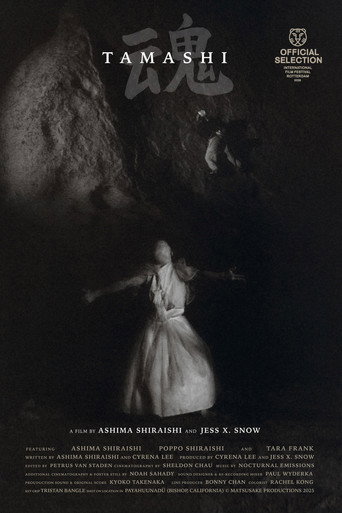
Tamashi
In the desert of the Payahuunadü valley (the name means “land of flowing water”) of California, a father performs butoh for the first time in front of his former prodigy rock climber child. They speak to each other through their bodies to find a way to heal their relationship and the land.
Gallery