Writing
No biography available.
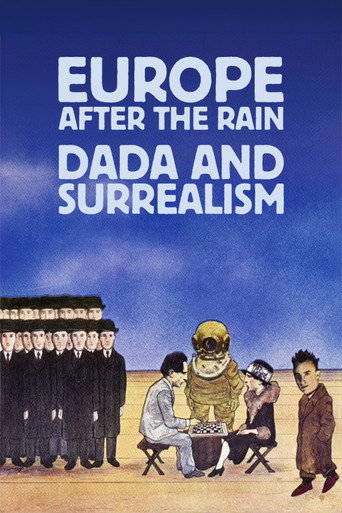
Dada came out of the craziness of World War One. "The birth of Dada was not the beginning of art but of disgust." Surrealism tried to systematize Dada's anarchy into an artistic blend of Freudian psychoanalysis and Marxist provocation. In the interests of conquering the irrational, Salvador Dali opened exhibitions dressed in a diving suit, Marcel Duchamp turned himself into woman, Benjamin Peret assaulted priests, and Yves Tanguy ate spiders. Andre Breton, nicknamed "the Pope of Surrealism", led an inspired gang of artists, lunatics and writers. By the 1950s they were denouncing each other for betraying the movement, but their ideas had infected Hollywood, advertising agencies and were turning up as TV humor and album covers.
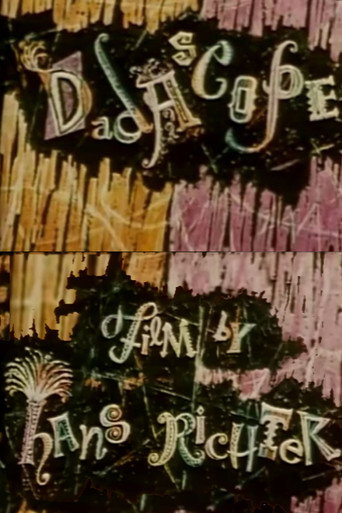
Free-associative images are juxtaposed with disorienting poetry in Richter's late work. The film is visual dynamite: Upside-down and reversed footage, play with shadows and light, billiards and dice and balloons-- suggestive and surreal images. Tenets of Dada writing, such as games of chance, punnery, wordplay and loud nonsense noise are foist upon the viewer as Dada poems are read / performed by their orignal authors.
A visual poetry about the lust of a man chasing a woman, dictated by the mind of Kurt Schwitters.
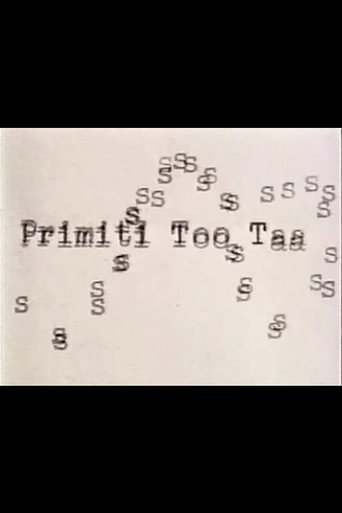
An excerpt from Kurt Schwitters' "Ursonate" (Sontata in primitive sounds) parades across the screen thanks to a Remington typewriter.
Alluding to one of Schwitters' lesser-known faces, as the author of playfully absurdist children's tales, Andrea Luka Zimmerman's Merzschmerz is a series of short recordings of young children reciting these stories from memory.
Fairy tales are handed down from mothers to daughters, and from fathers to sons. As they are passed on, the tales grow in the telling – or gradually depart from the original, as new elements get added, or others get cut.