Kunka Baeva Movies, TV Shows, and Filmography
Kunka Baeva
Acting
Biography
No biography available.
Filmography Movies
Acting
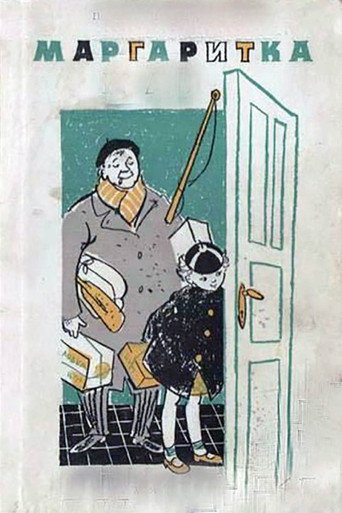
Margaritka
Margaritka (Daisy) is sick during the school year. Her dad is a writer and her mom is an actress who is rehearsing her lines for a new premiere. She is having an affair with the director of the production. At the premiere of "Mommy," Daddy sees her and the director kissing. Papa and Margaritka leave without waiting for Mommy. At home, a scandal is inevitable, but it does not solve anything yet. Mama leaves on tour, and Margaritka and Papa go to the village. There she makes friends with the village children and forgets about her incessant coughing and sneezing. Soon she begins to miss her mom and asks her dad to call her. He writes a telegram but does not send it. The child finds a crumpled piece of paper and goes to the post office. Mom arrives and all three are reunited.
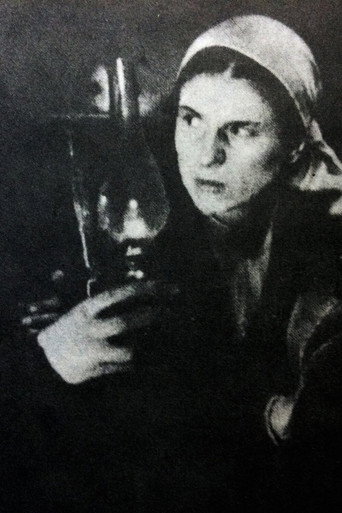
The Border
The boy Stefan brings the supper to his father in village council office. From the frontier post comes the news that bandits have crossed the border. The boy goes back home. He and his sister prepare to go to bed. A blizzard is raging outside. A wounded stranger comes to the house in search of shelter. The mother dresses his wounds and gives him food. It becomes clear that he is not the lieutenant from the frontier post that he claims to be. Stefan jumps from the window and dashes to the frontier post. The mother tries to keep the saboteur as long as possible. The two quarrels. He hits her with the submachine gun. He attempts to escape, but the border guards have already surrounded the house.
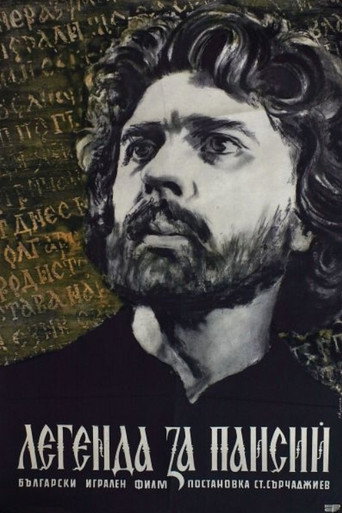
Legend of Paisiy
The beginning of the 18th century. Bulgaria is under the Ottoman bondage. The monks of the Monastery of Hilendar on Mount Athos warn the young monk Paisiy to beware of the "pestilent chapel". On his deathbed, the abbot conjures Paisiy to search for Slavonic books. The young monk goes from one monastery to another in search of ancient books. He breaks into the "pestilent chapel" and finds there stacks of old Bulgarian books telling of the wisdom of Bulgarians kings, and of the power and civilization of the Bulgarian Empire and its past glory. His fellow-monks try to burn the books but Paisiy manages to escape. His Slav-Bulgarian History circulates in handwritten copies through the captive country and the Bulgarians becomes truly aware of their national identity.
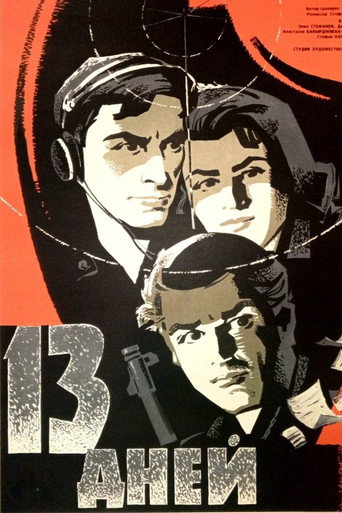
Thirteen Days
The Soviet army is approaching the Bulgarian border. Many government ministers and army officers prepare to flee the country. The partisans take over the key administrative buildings. At the War Ministry, the commander of the armored brigade Major Essev hesitates between his sense of honor as an officer and his patriotic duty. He takes the side of the partisans.
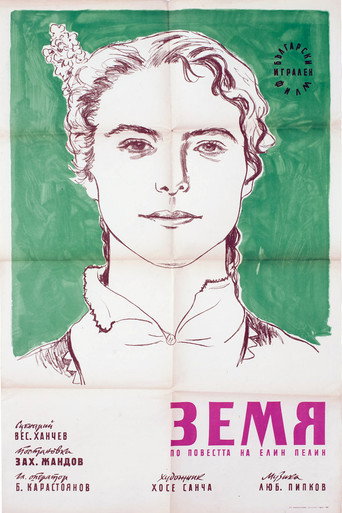
Earth
A Bulgarian village before the First World War. The young and ambitious farmer Enyo loves the beautiful but poor Tsveta. His brother and his wife arrange their engagement. The hunchback girl Stanka, daughter of the richest man in the village, is in love with Enyo. Because of her father's lands Enyo decides to end his engagement with Tsveta and starts building up his farm.
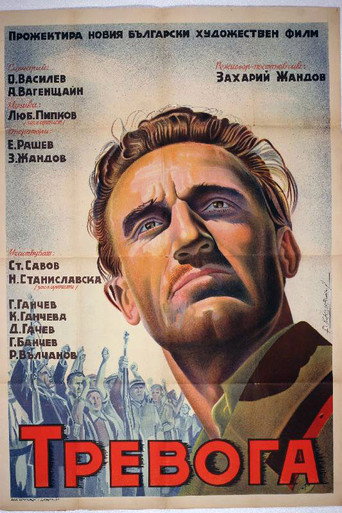
Alarm
The action takes place in the last years of the Second World War, immediately before the socialist revolution in Bulgaria. It centers on the life of the middle-class family of Lazarov, which is torn by the sharp political contradictions taking place against the background of the popular struggle against fascism. The father Vitan goes through terrible mental traumas, which are the price, he has to pay for his illusions that in such clashes one can remain neutral and free from politics. The partisans execute the son Boris - a fascist officer, a sadist and a murderer. The daughter Lily is forced to search for her place in the conflict between the representatives of two hostile worlds - that of fascist brother and her husband - a communist and a revolutionary.
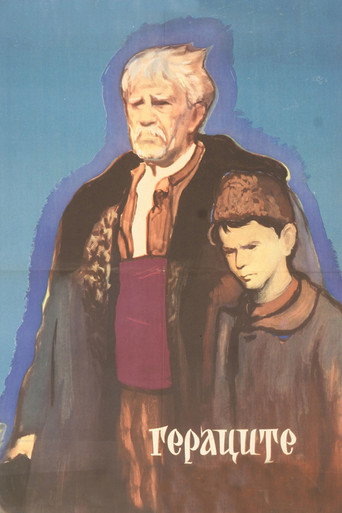
Geratzite
Gaffer Yordan the Gerak is a wealthy farmer with a large family. The Geraks live in harmony as long as his wife is alive. After her death, disagreement and strife erupt among them. Two of the sons, Bozhan and Peter, demand the partition of their father's real estate. The third son, Pavel, who is doing his military service in the town, has become estranged from the land and from his family. When Pavel returns home only to ask money from his father, Gaffer Yordan discovers that he has been robbed. His sons trade accusations and come to blows. Pavel goes back to his mistress in the city. Elka, Pavel's wife, falls ill with a venereal disease she has contracted from his husband. On a dark and stormy night Elka is about to drown herself in the river when the Gerak's old farmhand takes her back home. Before long, Elka dies, as does Gaffer Yordan. Bozhan fells the centenarian pine tree in the yard of the family home, which symbolized the patriarchal ways of the Geraks.
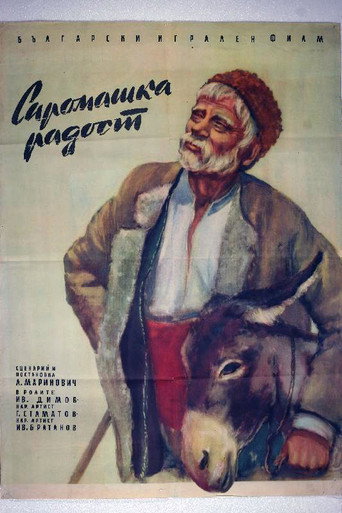
Pauper's Joy
Anthology film based on six short stories by writer Elin Pelin. At the end of a market day, Stoyan learns that after ten years of marriage he has a son. Leaving the inn with his wife Penka, they find a baby girl thrown into their cart. There is no end to the poor man's joy. She too will be raised. Drought kills the land and the people. Grandfather Korchan and Lazar Dabaka decide to build a windmill. Lazar and his bride are traveling by cart to visit their godparents. They spend an unforgettable night under the starry sky.
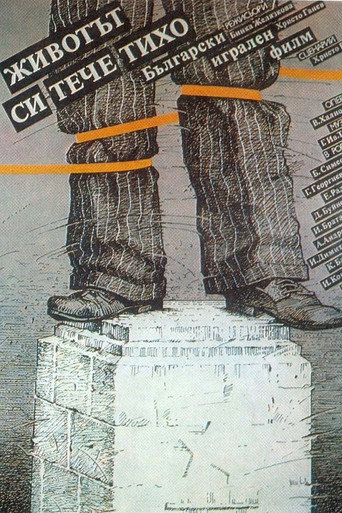
Life Flows Quietly By...
The fortunes of a group of partisans after the triumph of the socialist revolution.
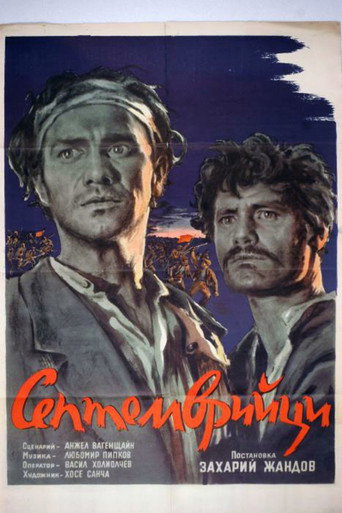
The Heroes of September
The film is dedicated to the uprising, which broke out in Bulgaria in September 1923. All characters, with the exception of the leaders of the uprising Georgi Dimitrov and Vasil Kolarov, are symbolic characters. The central figures, Stefan and Peter, impersonate the motive forces behind the uprising - the workers and the peasants. They are involved in worker's strikes, in the stormy events of the First World War and the Soldier's uprising in 1918. They also participate in the bloody clashes of the September uprising and suffer its defeat after they have seen too late the need for concerted action by communists and agrarians.