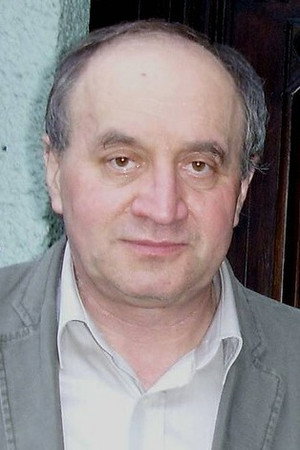
Krzysztof Zaleski Movies, TV Shows, and Filmography
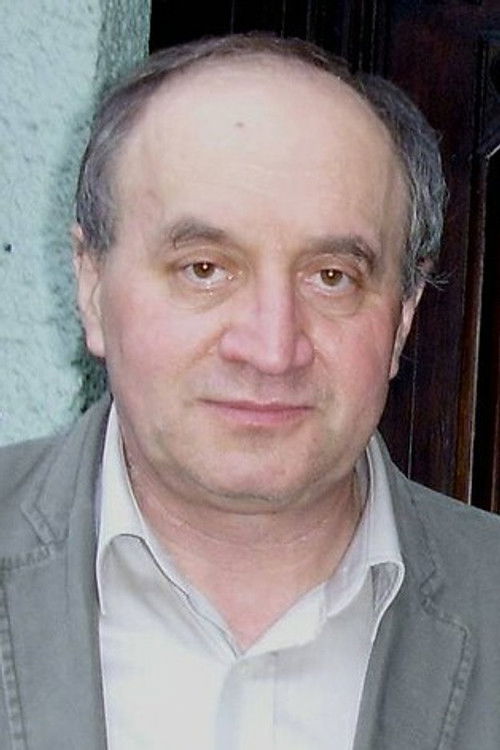
Krzysztof Zaleski
Acting
Biography
No biography available.
Filmography Movies
Acting
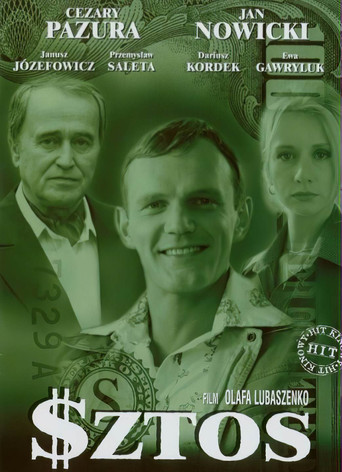
Sztos
Two friends recall the PRL. After serving time in jail, they took up an illegal currency exchange. Cheated by partner - they decide to take revenge. Preparations take many months, but the action ends differently than it was planned.
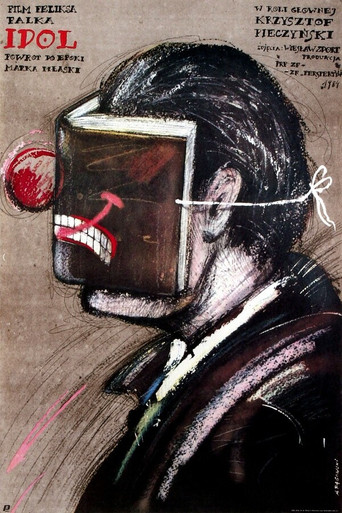
Idol
In 1969 a young writer decides to write an essay on a well known Polish writer, who had to leave the country in the 50's, later living, working and dying in exile. He slowly assembles the character and even the exterior appearances of his idol until his own identity tragically disappears.
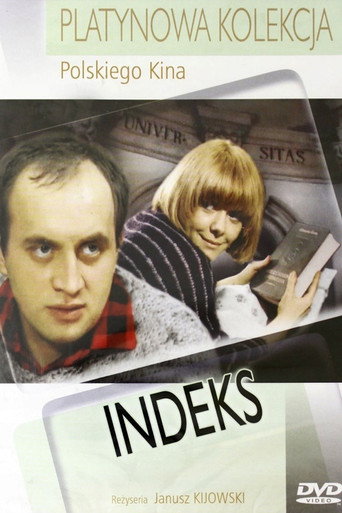
Index
The story begins in March of 1968, the days of students protests. A hot- headed student protests the Dean's decision to expell a fellow student on fake accusation charges, upon which he drops out of university rather than make a compromise. He loses everything in the process: his girlfriend, housing privileges - he becomes a coal deliverer. On the job he witnesses an accident that causes death of a fellow worker. He decides to write a story, which is good and a publishing house wants to print it, but only after some corrections are made. He refuses again and the story is not printed. Finally, a story is commercialized and made into a succesful film and brings fame to the original author.
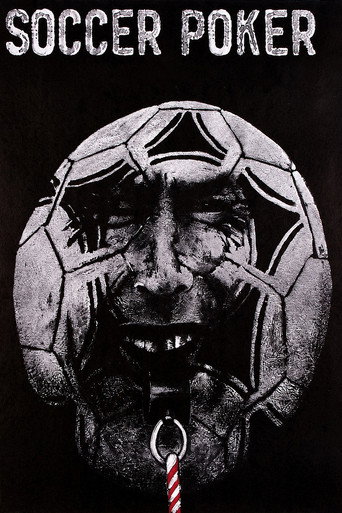
Soccer Poker
Laguna was once a great soccer player whose career was interrupted by an injury. He spent years climbing the ranks to become an international referee. He sees the prevailing arrangements, manipulations, and bribery around him. Now desperate, he decides to stage an extraordinary culmination of his career: he wants to create a so-called "miracle Sunday" by "printing" the final round of games - taking substantial bribes from the interested clubs and manipulating the matches so that the results align in the order he set up.
Pozwólcie nam do woli fruwać nad ogrodem
Reminiscences from the life of the tragically deceased poet named And, based on the memoirs of his friend Stanisław Czycz.
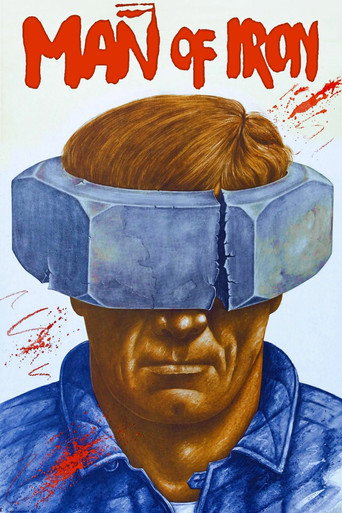
Man of Iron
In Warsaw in 1980, the Communist Party sends disgruntled radio reporter Winkel to Gdańsk to dig up dirt on the shipyard strikers - particularly on Maciek Tomczyk, an independent labour union leader whose father was killed in the December 1970 protests. Posing as sympathetic, Winkel interviews the people surrounding Tomczyk, including his detained wife, Agnieszka.

A Room with a Sea View
Two psychiatrists attempt to save a suicidal man.
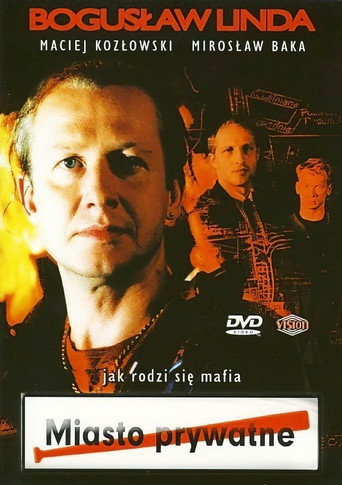
Private Town
A town near Warsaw. A group of teenagers rules one of the courtyards: Ali, Pawik, and Małgośka, the object of both boys' fascination. A few years later, these same young people form a typical youth gang. Ali and Pawik gather around them a group of peers who have been unable to find their place in society and want to live an easy life. Robberies and thefts are their idea of a comfortable existence. A few more years pass and the gang transforms into a mafia. After the 1989 elections, it enters into deals with politicians. It also gets into a conflict with Russian gangsters.
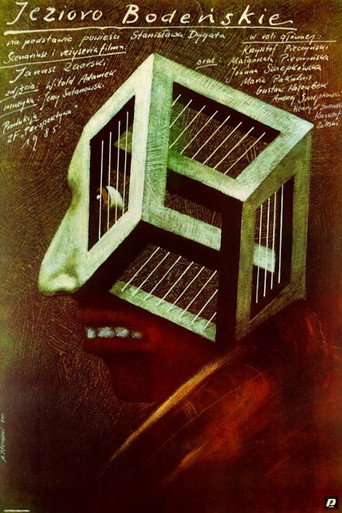
Sons and Comrades
A Pole who spent time in an internment camp during the war on the Swiss-German border, visits the site many years later and recalls these days. He meets with other Poles confined in the same camp, including several women, in whose he had romantic interests.
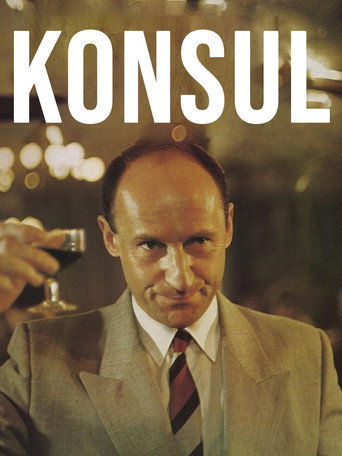
Konsul
After a con-man is released from prison, he gradually gets back to his old tricks, but his cons grow ever more elaborate and travel steadily up the ladder of society until he has local politicians and important government ministers involved in his schemes.
Production
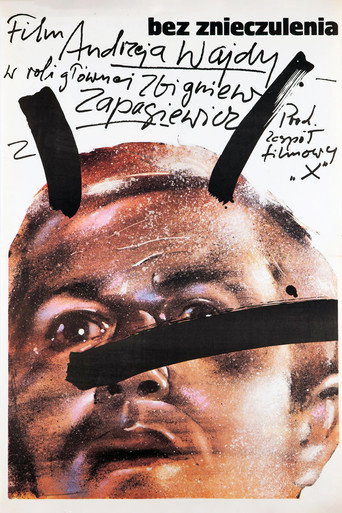
Without Anesthesia
A famous Polish journalist presents a problem for the powers-that-be when he displays his full political skill and knowledge on a television show featuring questions and answers on a world conference by a panel of journalists. His enemies take away his privileges when he is away. The shock of being "unwanted" parallels a deeper disappointment in his private life: his wife has an affair with a jealous young rival, and after 15 years of marriage and two daughters wants a divorce. She offers no explanations as he tries to untie these problems himself. All the moves he makes are the wrong ones. He takes on drinking heavily with students eager to attend his seminar after discovering the class has been canceled. The journalist, once suave and commanding, is reduced to silence.
The Party
Polish adaptation of Abigail's Party for polish television series Teatr Telewizji
Idol
In 1969 a young writer decides to write an essay on a well known Polish writer, who had to leave the country in the 50's, later living, working and dying in exile. He slowly assembles the character and even the exterior appearances of his idol until his own identity tragically disappears.

Chance
Jerzy Stuhr plays a high school teacher with a sensitive outlook on life and a soft spot for students who like art and literature as passionately as he does. His adversary is a possessed sports instructor, gaining growing control over the students and authorities. His methods are questionable and his influence dangerous, but the handball team's prospects look good and the school needs success...
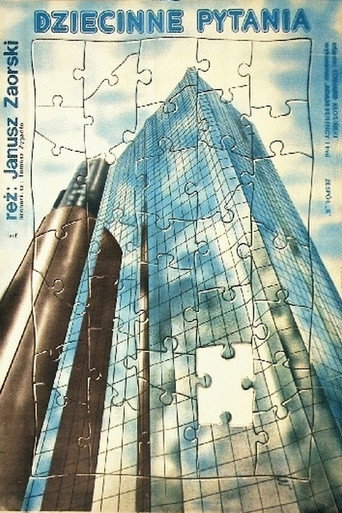
Childish Questions
A young architect is locked up in prison. He recalls his uncompromising youth and gradual sliding into the moral swamp of compromises. He was not alone. A group of his friends, dreamers and glass house builders, accompanied him.
Gallery