Directing
No biography available.
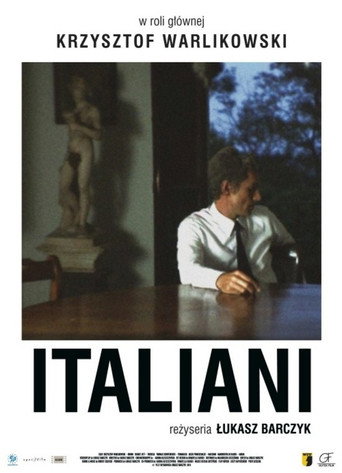
Takes us deep into the intimate world of a man and his relationships with his family and friends. It is a journey deep into images and experiences so personal as to be, perhaps, completely universal.
This documentary portrayal of Krzysztof Warlikowski, one of the most important Polish stage directors, includes the remarks of the director himself, the accounts of his long-standing colleagues (among others, Jacek Poniedziałek, Stanisława Celińska and Maciej Stuhr), as well as the photos from rehearsals and performances. In one of the scenes Adam Ferency mentions ‘Warlikowski’s church’. Marcin Lattało is trying to look at this mysterious ‘institution’ from the inside.
Posthumously premiered in 1930, From the House of the Dead derives from Dostoevsky’s autobiographical 1862 novel that drew on his experience as a political prisoner in Siberia. Janáček focuses on Dostoevsky’s idea of the “spark of God” in every human being that has the potential to redeem even the most hardened criminal.
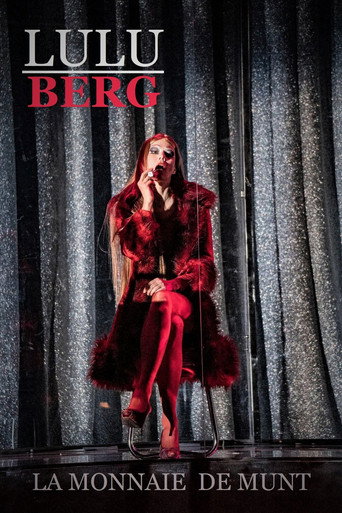
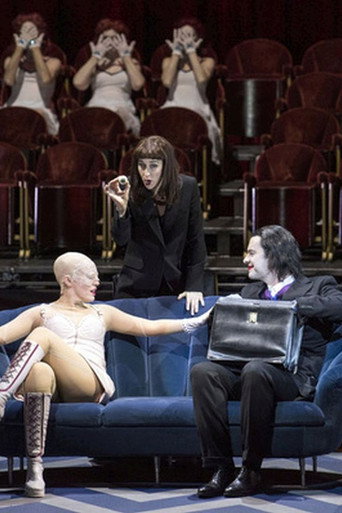
Alban Berg explores the power that Eros and Thanatos, in their rawest forms, have over our lives: Lulu, a femme fatale, will do anything to get ahead in a man’s world, but she ends up being destroyed.
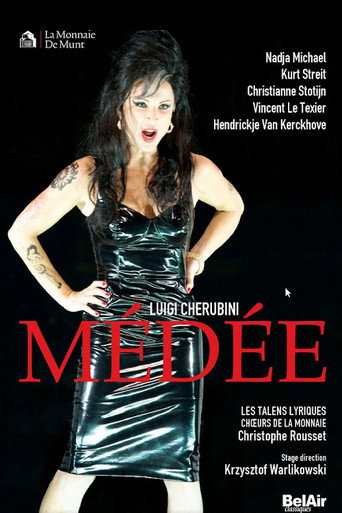
French version of Cherubini's opera staged in Brussels by Krzysztof Warlikowski
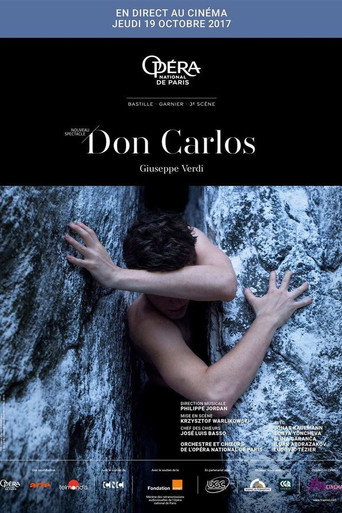
Set in 16th-century France and Spain, Don Carlos tells of the political and amorous rivalry between King Philip II and his son, Don Carlos, over Elisabeth de Valois. Krzysztof Warlikowski strips down a tragedy haunted by ghosts, and places the intimate at the heart of an imaginary fresco truer than history itself. Along with Philippe Jordan, he reveals to the public the very first version of this great five-act opera: the version modified by Verdi himself for the work’s first performance in 1867.
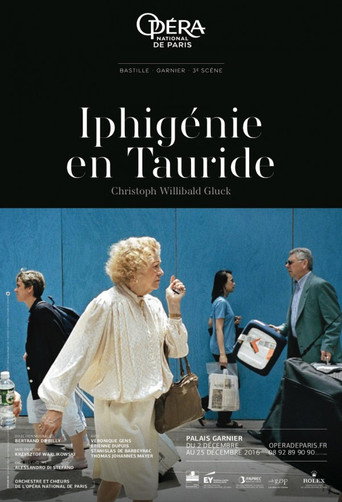
In order to fulfil the oracle’s prediction, Iphigénie must kill any stranger landing on the shores of Tauride. Alas, it is Oreste, Iphigénie’s own brother, who appears, having murdered their mother Clytemnestra in order to avenge the death of their father Agamemnon: such is the accursed lineage of the Atrides, condemned for generations to inflict death after death… Will this chain of hereditary bloodletting be perpetuated by Iphigénie? In Krzysztof Warlikowski’s stunning first production for the Paris Opera, the characters in the twilight of their existence are still haunted by their past.
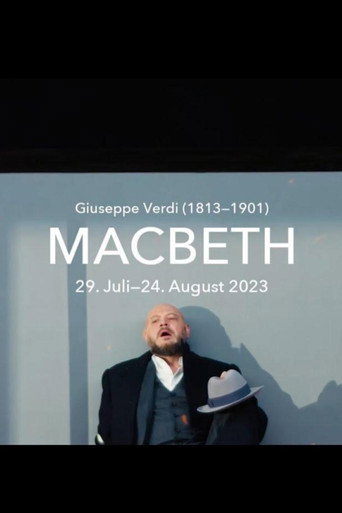
After a victorious battle, three witches predict that Macbeth, who commands King Duncan's army, will ascend the throne of Scotland. Urged on by his wife to force fate, he takes advantage of the monarch's stay in their castle to murder him... The daring Krzysztof Warlikowski revisits Verdi's most powerful Shakespearean opera, with baritone Vladislav Sulimsky and soprano Asmik Grigorian in the roles of the murderous spouses.
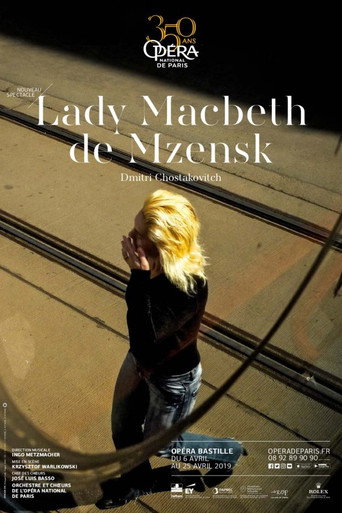
Of Shostakovich’s initial undertaking – a trilogy on the tragic destinies of Russian women through the ages – only one opera was ever written: the hard-hitting Lady Macbeth of Mtsensk. Although one of the mainsprings of the work, the Shakespearean parallel is here bitterly ironic: unlike Lady Macbeth, Katerina Ismaïlova who, in the remote reaches of rural 19th century Russia, falls in love with one of her husband’s employees and is finally forced to commit suicide, is less a manipulator than a victim of a violent and patriarchal society. Krzysztof Warlikowski liberates all the subversive power of this scorching and scandalous work, which marked the early years of the Opéra Bastille.
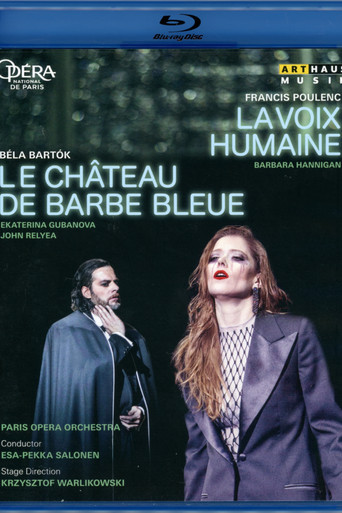
Running through Bartók’s disenchanted tale, whose haunting music was initially condemned as unplayable, and the expression of despair in Poulenc’s monologue, the director Krzysztof Warlikowski perceives a shared dramatic thread, a shared feminine consciousness and a shared sense of imprisonment and suffocation: for the woman who penetrates the confines of Bluebeard’s castle and Elle, the woman who clings to a telephone conversation with a man as the only thing worth living for, are condemned to share the same fate. And this man she speaks to, does he really exist? Unless the director has interpreted Cocteau’s words to the letter and the telephone has become a “terrifying weapon that leaves no trace, makes no noise”…