Sound
No biography available.
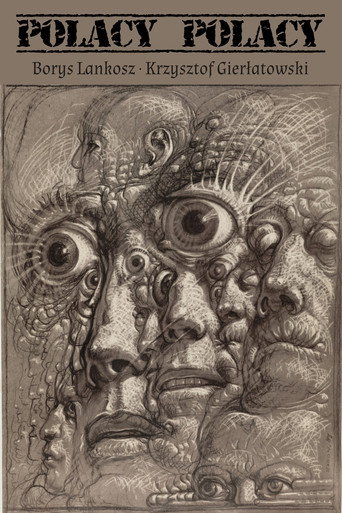
For decades the photographer Krzysztof Gierłatowski has portrayed eminent Polish figures, thus creating an invaluable visual testimony. This time his "victims" are well-known citizens of Kraków: Stanisław Lem, one of the most brilliant, versatile, and unapologetically cerebral science fiction writers, author of 'Solaris'; Krzysztof Penderecki, one of the most esteemed and widely discussed Polish composers of the 20th century; and Wisława Szymborska, Nobel laureate in Literature in 1996, one of the few women poets who has received the Swedish prize. Gierłatowski assumes the role of a modern Stańczyk, a legendary thinker-jester, prophesying on the historical Polish Republic in his dramatic conviction that History annihilated the intellectual elite of his nation and the future will bring awe and destruction.
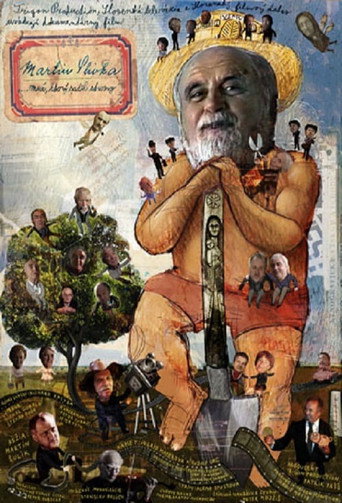
A tribute to Martin Slivka, one of the most important personalities of Slovak cinematography and culture. He was the creator of Slovak documentary ethnographic film, director, screenwriter, dramaturgist, film theoretician, pedagogue, author and ethnograph, but mainly – exceptional person. This documentary is not only a remembrance of maestro Slivka through words of his close friends and colleagues, but also an attempt to slightly uncover the secret of his rich life and work.
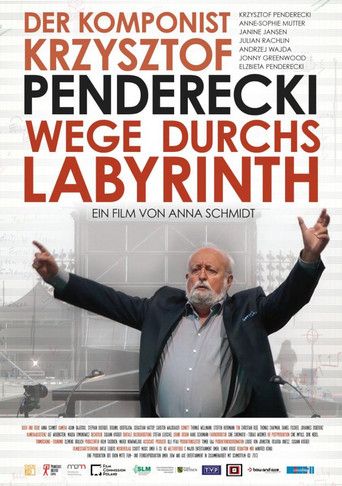
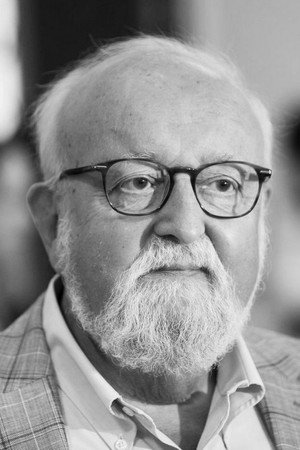
A biographical documentary about Krzysztof Penderecki
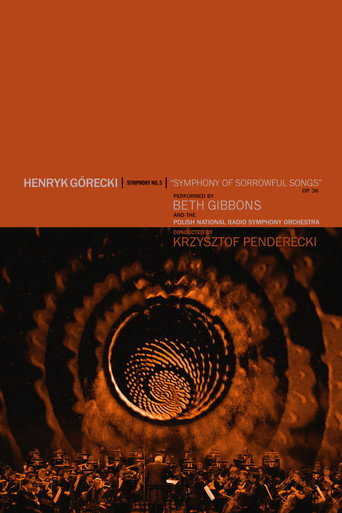
Beth Gibbons (vocalist for acclaimed UK band Portishead) was formally invited to Poland in 2014 to sing soprano at Warsaw’s Grand Theatre. This performance forms the basis of the film and album titled Henryk Górecki: Symphony No. 3 (Symphony of Sorrowful Songs) performed by Beth Gibbons and the Polish National Radio Symphony Orchestra, conducted by Krzysztof Penderecki.
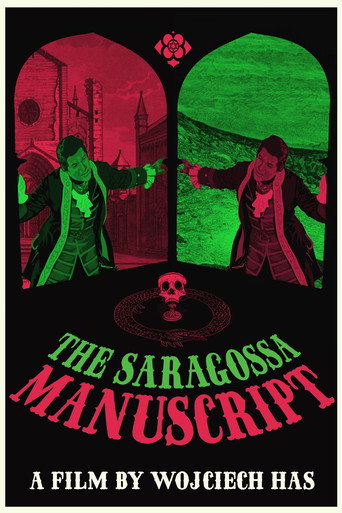
During the Napoleonic wars, a Spanish officer and an opposing officer find a book written by the former's grandfather.
As with so many early films by Sokurov, this film has two dates: the first is the date of its creation (the film was then banned), the second is the date of the final edition and legal public screening. The film consists of German and Soviet archive footage of the World War II — to be exact, from the end of the war. An attempt to make a large–scale documentary on this subject had been undertaken in the Soviet cinema of the 1960s: the film — “Ordinary Fascism” — by the outstanding Soviet film–maker Mikhail Romm had become a classic retrospective investigation of fascism. But Sokurov uses the expressive power of the documentary image in an absolutely different way. He does not amass materials for a large–scale picture of Nazi crimes.
In this video, with every minute, the artist's body becomes more and more machine, element of a perfectly working clock mechanism, it becomes ornament; to the extent that at some point a new “organism” emerges, with the many Anetas playing the role of head, hands, torso, legs.
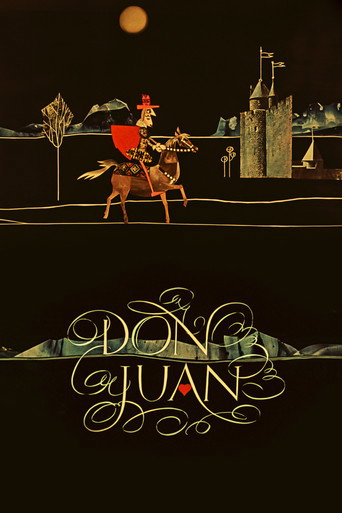
The adventures of a classic "podrywacz" character known from Molière's drama and Byron's poem, who has not lost popularity until today. All this is shown with a pinch of salt, in a grotesque form of a cut-out film, reminiscent of the comic book editions of "Trzy Muszkieterów".
A story illustrating the legend of Bazyliszek who mischief among tenement houses in Warsaw's Old Town.
Persephone combines an excerpt from Penderecki’s “Cello Concerto No 1” with a static image of a shivering cat, emerging from the shade.
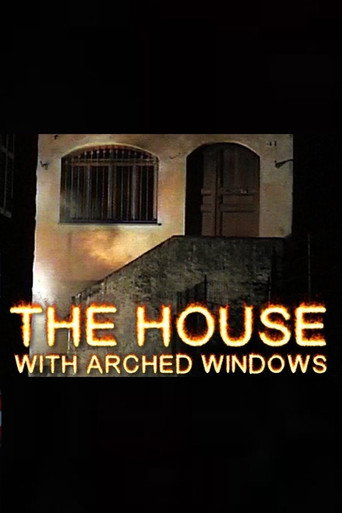
Seen from the outside, it’s an old arch-windowed house overlooking a field isolated from the center of the village. But the rooms of this dark haven of demons hide unimaginable secrets. It was within those very four walls that an artist ordained to Lucifer killed himself with a razor blade in the winter of 1931. Many occultists maintain that his ghost still wanders like a shadowy agent of evil, desecrating the bodies of those who come too close to his hypnotic, diabolical allure...
The film shows the conductor Witold Rowicki during a rehearsal of Krzysztof Penderecki's piece entitled "Threnody to the Victims of Hiroshima" with the National Philharmonic Orchestra in Warsaw. The outline of a perfectionist and brilliant musician emerges from a few-minute picture.
Penderecki's Opera of an entire convent, in the small French village of Loudun, apparently possessed by the devil.
The story of a boy too angry with internal demons who decides to kill himself. On the path of this decision he ends up hitting new surroundings, others exist, which may, perhaps, change his mind.