Acting
No biography available.
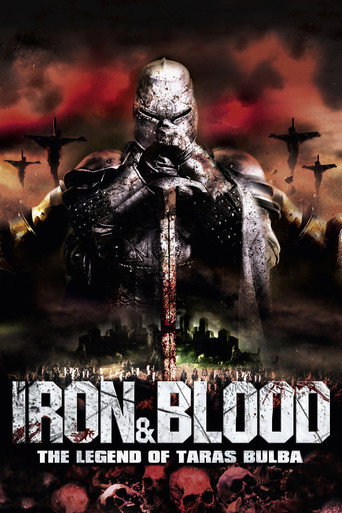
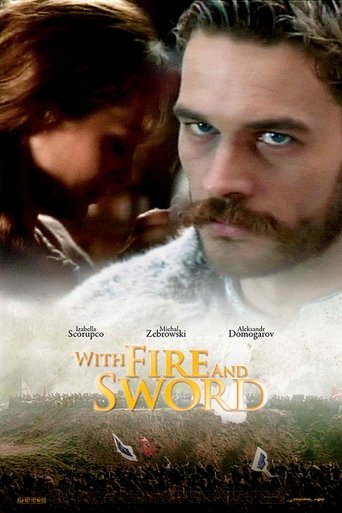
Set in the 16th century, this is a story about Ukraine's Cossack warriors and their campaign to defend their lands from the advancing Polish armies.
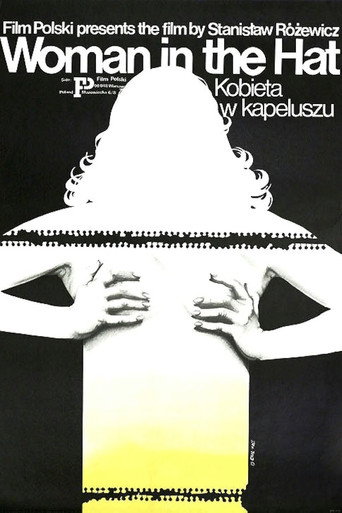
A young woman runs away from her home to the big city, gets a job in theatre and gets involved with shady characters.
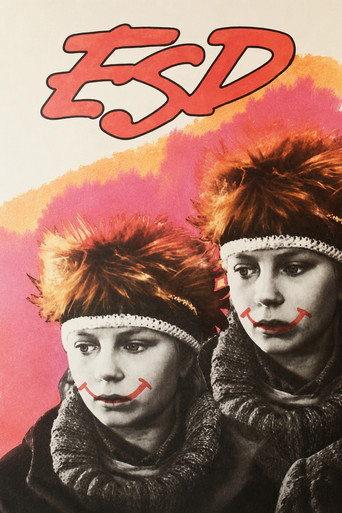
The Borejko family has four daughters — Gabriela, Ida, Natalia and Patricia. Most concern causes the red-haired Ida, whose unusual ideas often end badly, though the girl has the best intentions. Her father, who works at the university as a classical philologist, gives her the idea to found a group called ESD. They want to try out the theory that you are more successful if you send out more positive signals to the environment. Soon this theory will be put to the test. Ida's mother has to go to the hospital and the entire burden of household chores falls on the children.
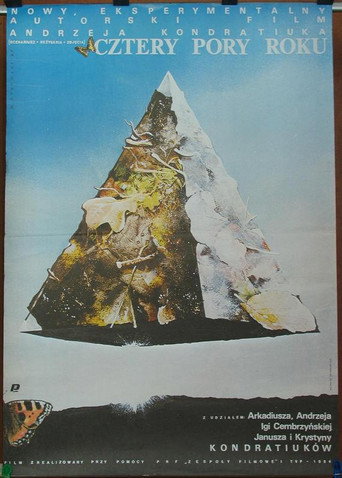
A portrait of the director's family painted against a backdrop of changing seasons. A deep reflection on the meaning of existence and the inevitability of passing time and death.
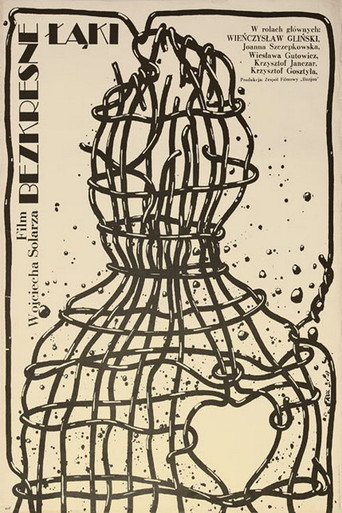
A lyrical comedy; an escape to nature for a civil servant tired of everyday life and the monotony of life becomes an opportunity to reflect on the meaning of existence; it helps to regain mental balance. Henry, an exemplary husband and civil servant, returns to the places of his childhood, wants to find the treasure buried decades ago by Tereska, who fell in love with him. Along the way, he picks up two boys and two girls, who begin to compete for him. One of the boys assaults him when Henry digs up a bottle containing, it turns out, Tereska's love letter. The youngsters notify Henryk's wife of his whereabouts.
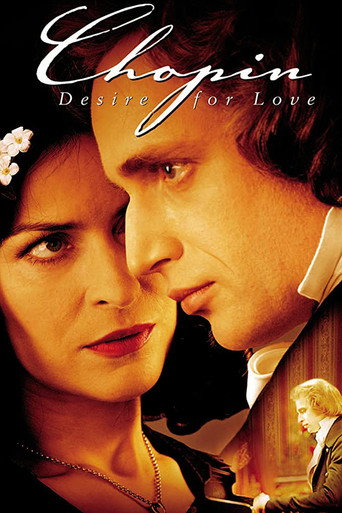
The biography of world famous Polish composer Fryderyk Chopin.
In the mid-17th century, Poland was the largest, most democratic, and most tolerant country in Europe. However, a tragic civil war brought about the gradual decline of the once glorious republic... An epic story about the Ukrainian uprising against the Polish-Lithuanian Commonwealth magnates in the 17th Century.
A psychological portrait of Ewa, a young Polish theatre actress searching for her own way in life. She plays a minor role in Jasieński's 'The Ball of Mannequins', a complete opposite of her real personality, while aspires to star as Cordelia in Shakespeare's 'King Lear'. Ewa lives on her own, occasionally visiting a famous old actress to talk about theatre, taking care of a poor neighbor, and fights her sophisticated mother rejecting the truth about her beloved father, who died an alcoholic.
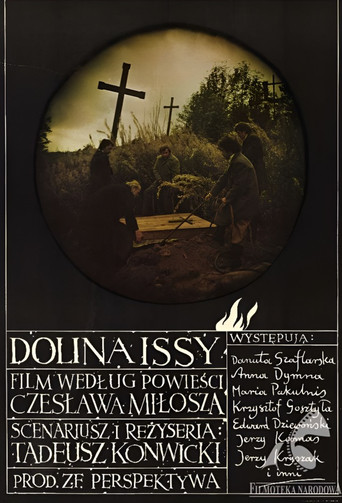
The film evokes a childhood in rural Lithuania between the wars. A country boy, Tomaszek, lives on a rich estate, situated on the Polish border. He realizes that the Issa Valley he lives in is to be torn apart by internal political conflicts and unrests among the mixed population of Poles, Lithuanians, Jews and Russians. He, however, is captivated by a paradise surrounding him, the forest, and his fantasies.
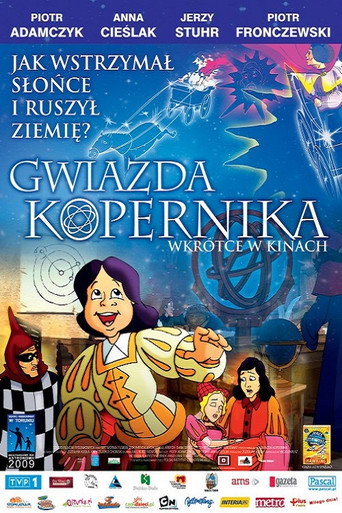
Nicolaus Copernicus, the son of a Toruń merchant, is a bright and curious child. When he is ten years old, the Dutch astrologer Paul van de Volder predicts a great future for him, which develops in the boy an interest in the stars. Paul van de Volder reappears in Nikolai's life when he is already a student at the Jagiellonian University in Krakow. A battle for the student's soul begins between the charlatan astrologer and Wojciech of Brudzew and other university professors. Astrology fights with astronomy. From the doubts and questions that hound Nicholas, a discovery is born that will change the world.