Acting
No biography available.
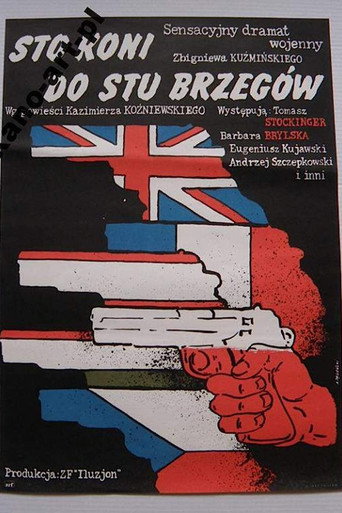
World War II. Lieutenant Bogdan Mayer is tasked with delivering a sample of valuable metal alloy from Warsaw to London.
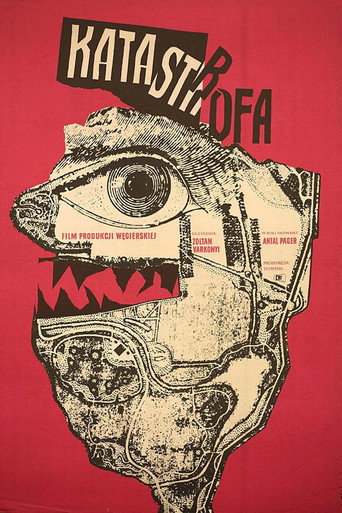
A young designer is tormented by remorse after a viaduct of his design collapses.
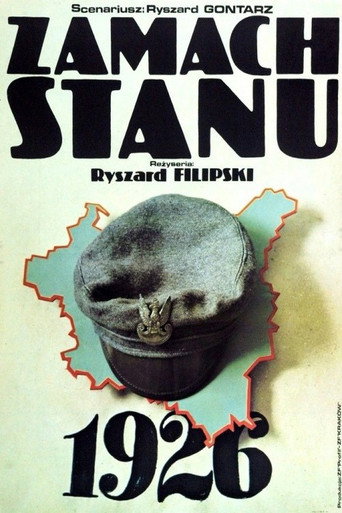
Fall 1925. Six hundred officers demonstrate in front of Józef Piłsudski’s country house in Sulejówek, demanding the Marshal’s return to active political life. May 1926—a government crisis; Wincenty Witos forms a new government. Piłsudski’s move sparks clashes between supporters and opponents of the ousted government. Piłsudski appoints Kazimierz Bartel as prime minister. The beginning of the “moral reform.” Ignacy Mościcki becomes president. Summer 1930. A joint platform of opponents to the Sanacja government is formed. “Centrolew” is established.
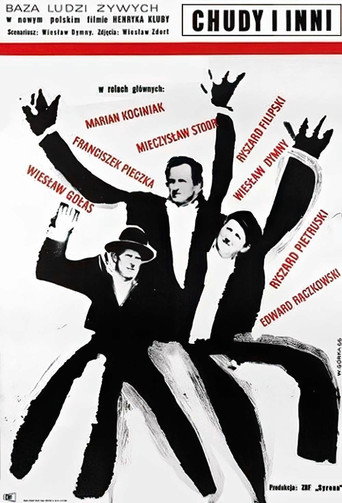
A group of workers builds a bridge near a large dam. They get drunk with a visiting reporter, who falls into the river and disappears.
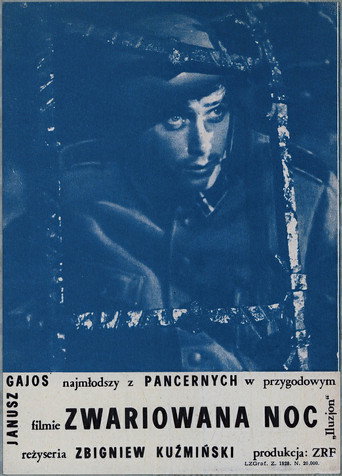
Three Polish resistance fighters hide in an old castle inhabitated by an old baroness and her relatives.
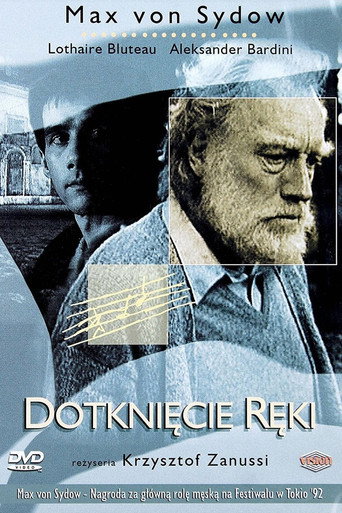
Henry Kesdi is a silenced classical composer and a survivor of the Holocaust. He is coaxed out from retirement by an inspired musicologist, Stefan, who convinces him to compose a complex symphony on his neglected piano. As a help Kesdi gets his new musical secretary. His loyal wife reluctantly accepts her as his young lover.
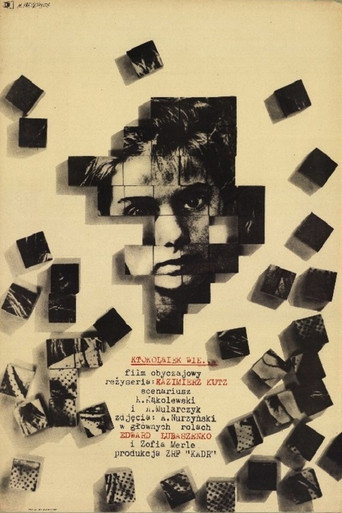
A psychological portrait of a missing girl is drawn by the people who knew her, being interviewed by a journalist helping in the search.
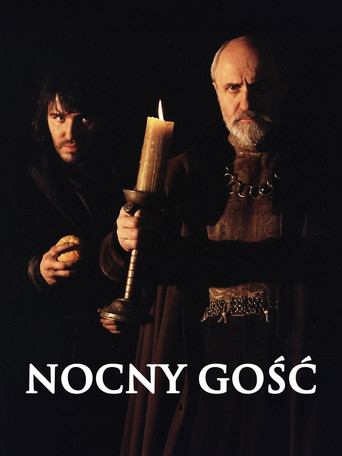
In 1456, Francis Villon and his companions attack a merchant in the forest. On the cart they find a girl dead of the plague. They give up the robbery. Villon spends the evening in an inn. He drinks, dances - the fun is interrupted by the arrival of a leper. Only Villon is not afraid to touch him, he treats him as a neighbor. In bed, his lover Gretel complains to the poet that no one wants to marry her....