Kostas Smoriginas Movies, TV Shows, and Filmography

Kostas Smoriginas
Acting
Biography
No biography available.
Filmography Movies
Acting
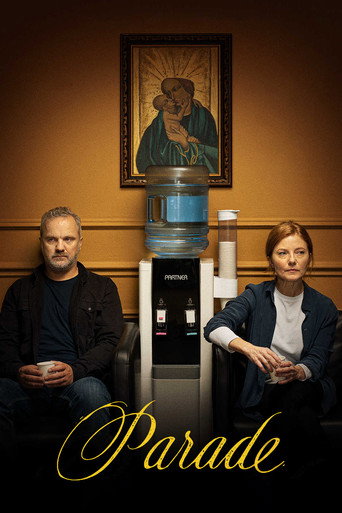
Parade
Miglė, who married when she was very young, has for 26 years been divorced from her ex-husband who one day calls her and asks for a favour. He has found that it would be a good time to get married again after the death of his mother. But there is a small problem: their divorce is valid only in the eyes of the law, because a Catholic marriage cannot be divorced. It can, however, be annulled. All that needs to be done is to complete an application and give the “Catholic court” a good reason. But she does not know in what kind of absurd situations she is about to find herself in.
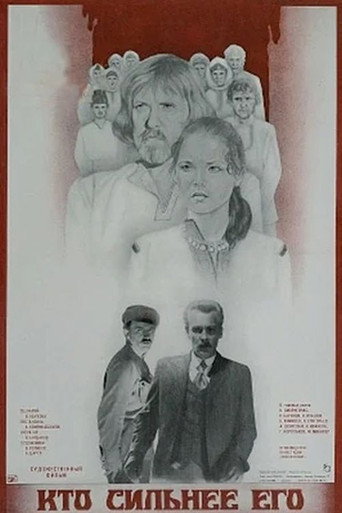
Who's Stronger Than Him
Follows the events of August 1918 in Tsarevokokshaisk (Yoshkar-Ola), when the White Guards, led by local princes, were preparing a coup.
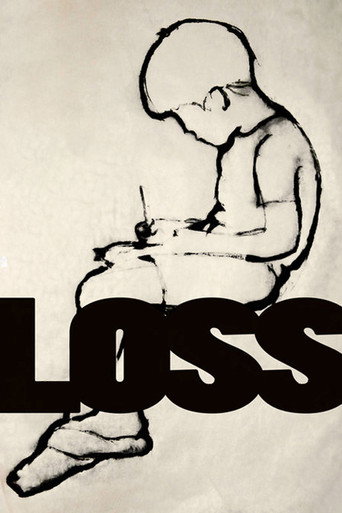
Loss
A mentally ill young woman Valda convinces herself that a boy growing up in an orphanage is her child. Following the footsteps of a thousands Lithuanians, she immigrates to Ireland to earn money to save him. "Loss" portrays the beauty and tragedy of the human heart.
Dark Night
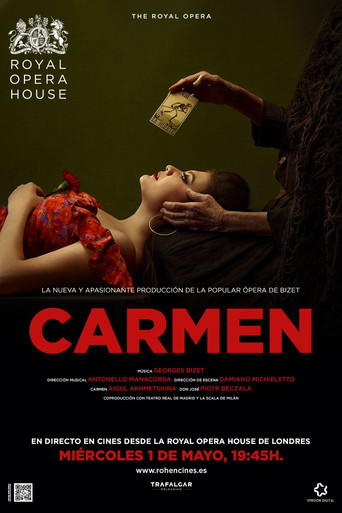
Royal Opera House: Carmen
Carmen declares that any man she loves should beware. However, even she is unprepared for what will happen when she decides to seduce Don José, an army corporal who initially appears uninterested in her charms. Don José soon abandons his sweetheart Micaëla and his army job for Carmen, and joins her and her smuggler friends in the mountains. But Carmen quickly wearies of Don José's possessiveness. When she turns her attentions to the dashing toreador Escamillo, Don José's jealousy erupts into violence.
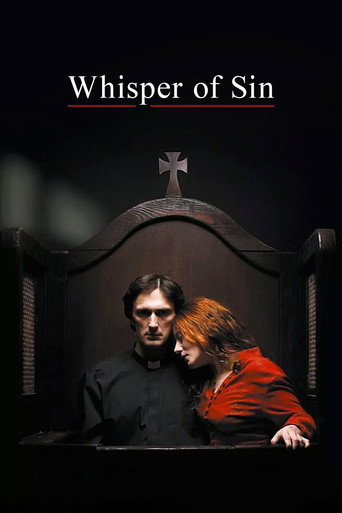
Whisper of Sin
A nearly-suicidal, young woman visits a psychotherapist. She is in love with a priest, and the diagnosis of her husband's mental illness leaves no hope. The psychotherapist, in her attempts to resolve the amassed difficulties, seemingly begins to duplicate the life stages and behavioral patterns of her patient. A script for this film is based on motifs from the best-seller, scandalous novel, Witch and Rain, by female author, Jurga Ivanauskaite. By choosing a priest as the main role for a love story, the author broke an existing societal taboo. Faith, Love and Hope form the trilogy by the authors of this screenplay. Love stands as the grandest of the three.
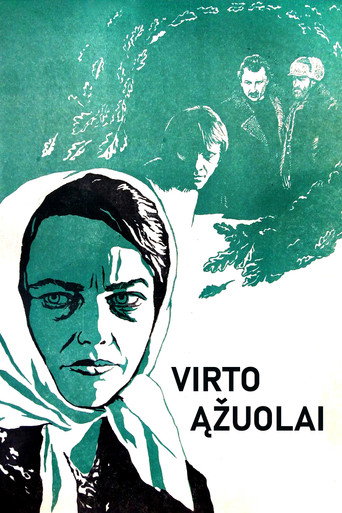
When the Oaks Were Falling
A faithful adaptation of the story of famous Lithuanian author Baltusis both in subject and artistic presentation. Three brothers Laurynas, Stanislovas and Antanas fall in love with one woman Kazyte and dramatic events make all three brothers go to jail for homicide, while she lives alone on their land.
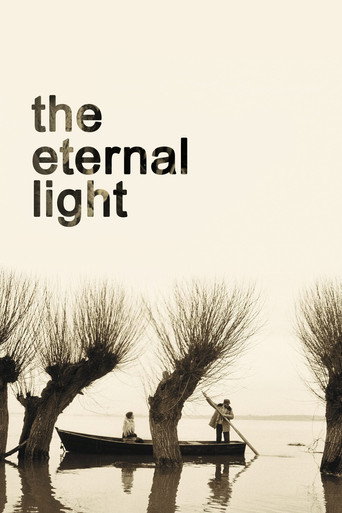
The Eternal Light
Lithuanian countryside in the 1950s. People live with mixed memories of an independent Lithuania, no one believes in the myths of a future Soviet Lithuania, but everyone clings tenaciously, out of inner inertia, to the opportunities offered by even the smallest personal farm. This is a film that subtly tells the story of love and the beginnings of a peaceful life in the countryside: the surveyor is tormented by Pranė, who has fallen in love with him unrequitedly, Amilia, who has fallen in love with Zigmas, but is married to the surveyor, Anicetas, the village philosopher, Bernasius, knows it all: if there is an eternal darkness, there is also an eternal light...
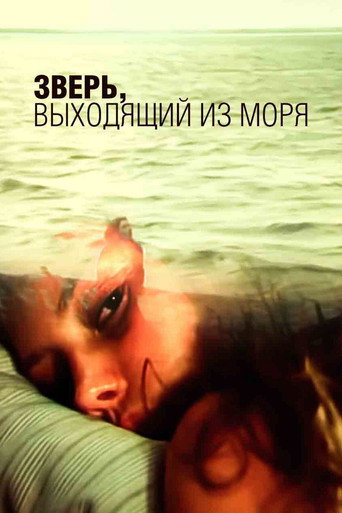
The Beast Rising from the Sea
Based on a novel by Evgeny Zamyatin. In 1920s Petrograd, childless couple Trofim and his wife Sofya adopt their late neighbor’s daughter, thirteen-year-old Ganka, only for Ganka to begin a scandalous affair with her foster father. When Sofya’s despair over the incest drives her to murder Ganka with an axe and conceal the body during a flood, Trofim reports her “missing” to the police, who never recover the corpse. Sofya later becomes pregnant, confesses to the killing, and Trofim, moved by love and guilt, offers to take the blame, though the skeptical investigator doubts any crime occurred.
Gallery