Acting
No biography available.
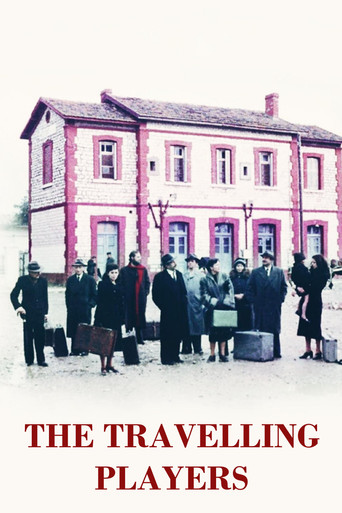
A traveling theatre troupe tours the Greek countryside from 1939 to the early 1950s, staging “Golfo the Shepherdess”. As the years pass, its members endure persecution, betrayal, executions, and exile. Their personal stories become entangled with the country’s major historical events, in a seemingly endless cycle of violence and loss.
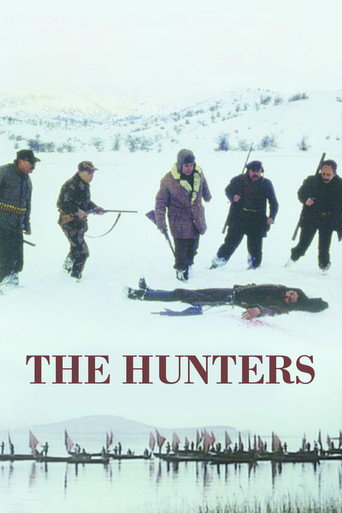
During a hunting party on New Year's Eve 1976, five representatives of the bourgeoisie encounter with their companion the body of a partisan from the Civil War of the late forties. What they are most confused about is the fact that the corpse that lies at their feet is still bleeding…
A mysterious disappearance takes place during the shooting of a commercial on the beach in the early morning hours. An unknown man suddenly comes into the shot, then walks into the sea holding an umbrella and seizes to exist, before the bewildered eyes of the whole crew. After the police are notified, a confusing array of red tape manoeuvers begins, revealing the close affiliations of the Authorities with the advertising company manager and the whole mechanism of Mass Media, all of which are trying not to investigate the event but to conceal or even exploit it in their own interest. Only the musician involved in that commercial is trying to figure out what really happened.
On the morning of the World Cup final, Karamanos, an employee of the Greek Telecommunications Organization (TOE), connects his commander's personal computer to a devilishly complex and explosive device. He threatens to blow up the floor and the satellite dishes above if he is not allowed to appear on the national network 10 minutes before the football match to denounce all the wrongs that plague the lives of Greek citizens and make them victims of a partisan and corrupt state.
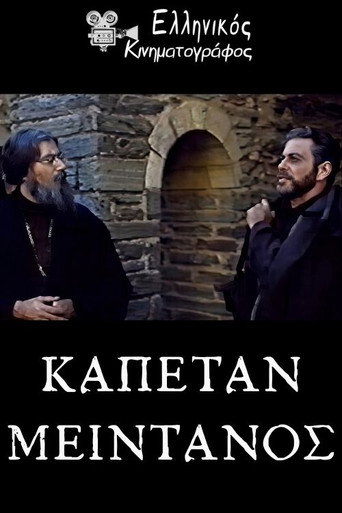
A retired diplomat has begun writing a historical novel about the legendary Captain Meϊtanos, who lived in the 17th century. Initially, he was a klepht (bandit), then an armatolos (member of irregular forces), then a klepht again, until finally winding up in the Ottoman hangman’s noose. Captain Meϊtanos was described by monks who lived for many years after his death, recounting his activities and passing on his story. Memories are revived; snatches of a story and mystery emerge, such as that of a holy icon painted in 1715 by the iconographer Vaϊos – an icon which adds additional color and detail to this story.