Acting
No biography available.
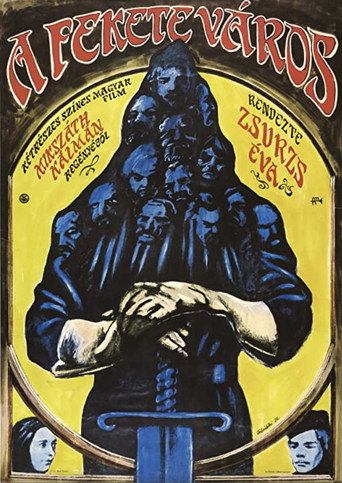
Feature film version of the 1971 series. On the eve of the 18th century, County Vicecomes Görgey Pál broods alone in his manor while the town of Leutschau celebrates New Year’s with lead‐casting omens and a disastrous hunt that sparks a bitter feud. As Görgey fights for his honor and life, and the townspeople defend their Saxon privileges, their mutual blind ambition prevents them from seeing the rising light of Rákóczi’s coming rebellion.
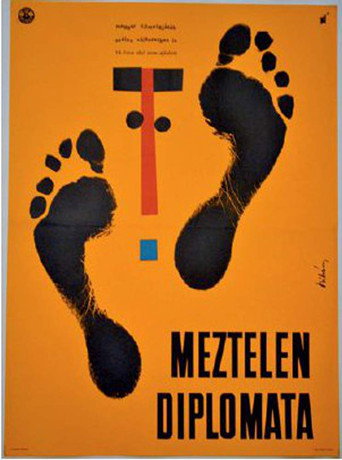
Félix, a somewhat clod-hopping young man, finds himself in the Grand Hotel of Little Lagonda, barefooted and in pyjamas. He is soon followed by a hooded, fat and leggy gangster. This is all the more strange as the hotel is under quarantine with the pretext of a plague-epidemic, in order to make it a suitable ground for the negotiations of certain oil-companies.
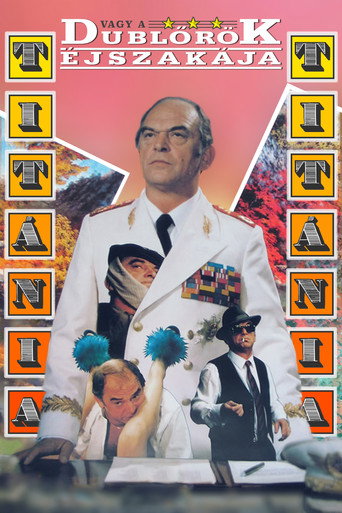
Never miss a satire if you'd like to have a wider view of the 60's or 70's (and maybe the 80's) Eastern Europe. Both the regime and behavior of people are pilloried, with many-many hints that show deeper details of the correlation of the two. And the creators didn't miss to have some words about the West and it's part of this history. But don't sit down to see the film if you'd like to have a light funny evening movie, 'cause that will lash up your feelings alright. The director is that same Peter Bacso, who directed the legendary satire 'A tanu' (The witness) which deals with the same historical era, the same relations between politics and the people, just from a little different point of view.
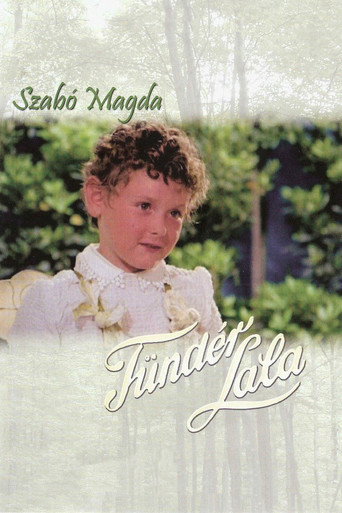
A story about Lala, an eight years old magician.
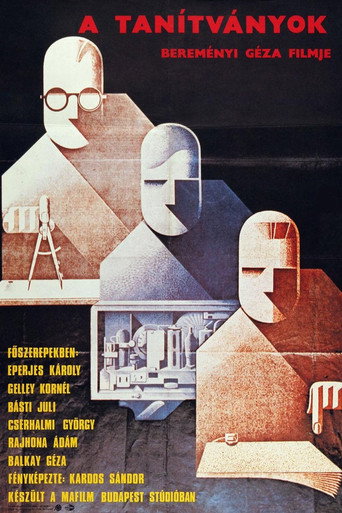
The heroes of this story, based on real events at the end of the 1930s and during World War II, face and dismiss the illusions of intellectuals about their ability to transform society. Professor Magyary and his disciples hoped to promote the modernisation of Hungarian society through a radical reform of public administration.
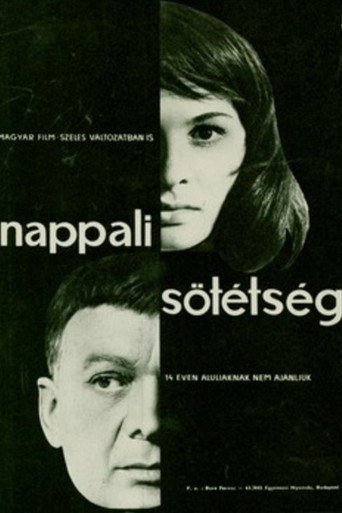
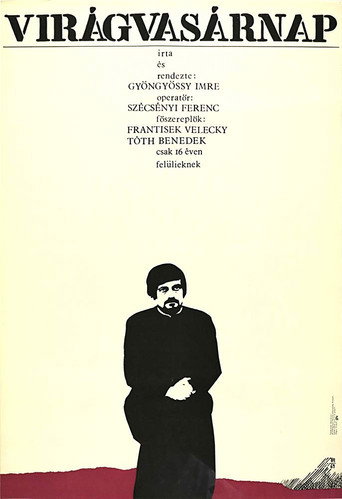
In 1963 in Tihany, somebody addresses the writer Gábor Náday. He is reminded of a night drive in 1944 that saved his life. Painful memories start coming to Náday.
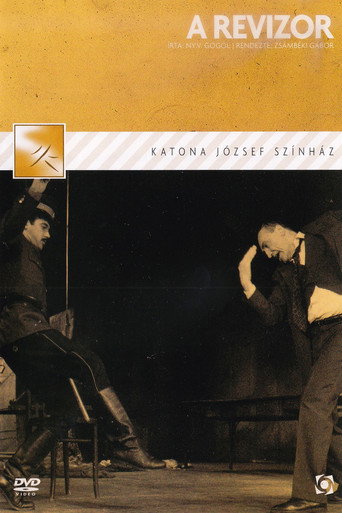
The corrupt leaders of a small rural town learn that an auditor is coming from St Petersburg. Frightened, they try to put things in order. Hlesztakov, a Petersburg official, has been starving for days in his inn in the small town, having gambled away all his money and no credit. In a misunderstanding and a bit of backstabbing, the town's corrupt leaders mistake him for an auditor. The bureau chiefs are watching his every move, and the mayor's daughter is a hit. When he leaves, the whole town celebrates and expects him back for a wedding. But a letter reveals the fraud, and at the same time the real auditor arrives.
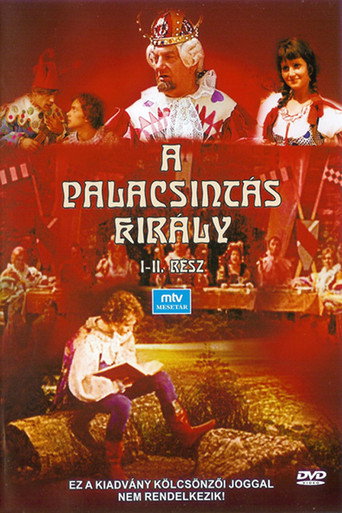
King Tobiah, the ruler of the country of Dinom-danom, announces a pancake-making competition for the girls of the area. He is supposed to give his son to the one who makes the best pancakes. As it is in fairy tales: the enterprising girls all fail. Not so for Pigeon-eyed Ladybird, who wins the competition, but she doesn't want the prince... Meanwhile, Derelye, the evil chef who is destroying countries with his gang, is plundering the larder of the country of Dínom-dánom, but Prince Elias (Lajos Balázsovits) is determined to put an end to the wastefulness and thievery. He is aided by Csöröge, the loyal fool, and the pancake-making skills of Kökényeyűű Katica are of great help in the fight.
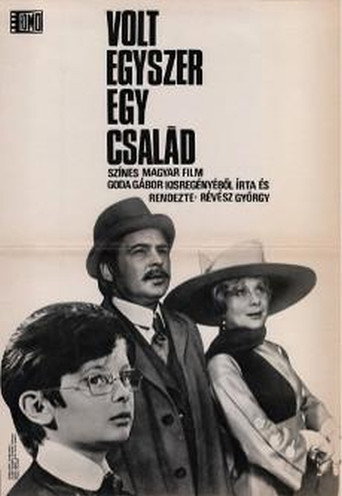
This film describes the narrator's childhood, the years before and after the Hungarian Soviet Republic, in a burlesque and fabulous style and with the humour of a child's fantasy.
Epic recalling the early days of the Republic of the councils.