Kofi Annan Movies, TV Shows, and Filmography
Kofi Annan
Acting
Biography
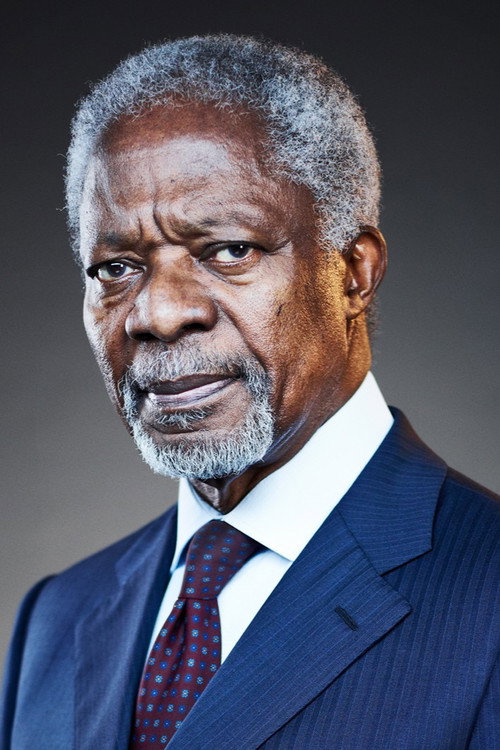
Kofi Atta Annan (8 April 1938 – 18 August 2018) was a Ghanaian diplomat who served as the seventh secretary-general of the United Nations from 1997 to 2006. Annan and the UN were the co-recipients of the 2001 Nobel Peace Prize. He was the founder and chairman of the Kofi Annan Foundation, as well as chairman of The Elders, an international organisation founded by Nelson Mandela. Annan joined the United Nations in 1962, working for the World Health Organization's Geneva office. He went on to work in several capacities at the UN Headquarters, including serving as the under-secretary-general for peacekeeping between March 1992 and December 1996. He was appointed secretary-general on 13 December 1996 by the Security Council and later confirmed by the General Assembly, making him the first officeholder to be elected from the UN staff itself. He was re-elected for a second term in 2001 and was succeeded as secretary-general by Ban Ki-moon in 2007. As secretary-general, Annan reformed the UN bureaucracy, worked to combat HIV/AIDS (especially in Africa) and launched the UN Global Compact. He was criticised for not expanding the Security Council and faced calls for his resignation after an investigation into the Oil-for-Food Programme, but was largely exonerated of personal corruption. After the end of his term as secretary-general, he founded the Kofi Annan Foundation in 2007 to work on international development. In 2012, Annan was the UN–Arab League Joint Special Representative for Syria to help find a resolution to the Syrian civil war. Annan quit after becoming frustrated with the UN's lack of progress with regards to conflict resolution. In September 2016, Annan was appointed to lead a UN commission to investigate the Rohingya crisis. He died in 2018 and was given a state funeral. Description above from the Wikipedia article Kofi Annan, licensed under CC-BY-SA, full list of contributors on Wikipedia.
Filmography Movies
Acting
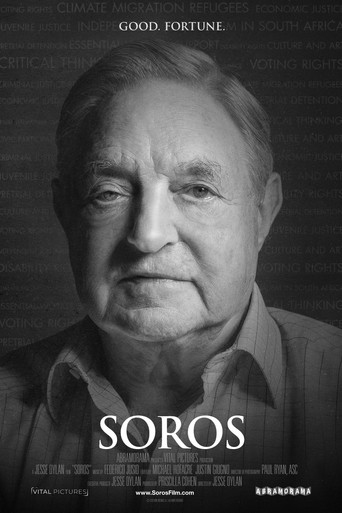
Soros
Billionaire activist George Soros is one of the most influential and controversial figures of our time. He is maligned by ideologues on both the left and the right for daring to tackle the world’s problems. With unprecedented access to the man and his inner circle, director Jesse Dylan follows Soros and pulls back the curtain on his personal history, private wealth, and public activism.
Broken Promises: The United Nations at 60
The history of the United Nations highlighting the gap between the good intentions and ideals of its inception and the sad reality of its present state of inefficiency and corruption.
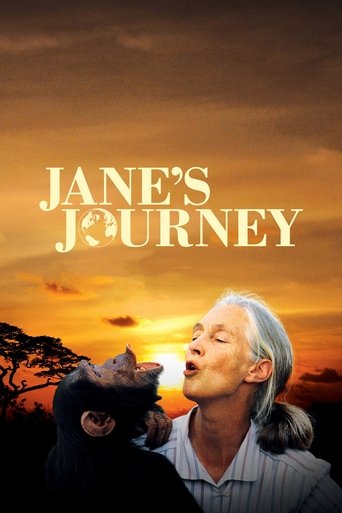
Jane's Journey
It would be hard to name anyone who has had more of an impact in the realm of animal research and wildlife conservation than Jane Goodall, whose 45 year study of wild chimpanzees in Africa is legendary. In Jane's Journey, we travel with her across several continents, from her childhood home in England, to the Gombe National Park in Tanzania where she began her groundbreaking research and where she still returns every year to enjoy the company of the chimpanzees that made her famous. Featuring a wide range of interviews and spectacular footage from her own private collection, Jane's Journey is an inspiring portrait of the private person behind the world-famous icon.
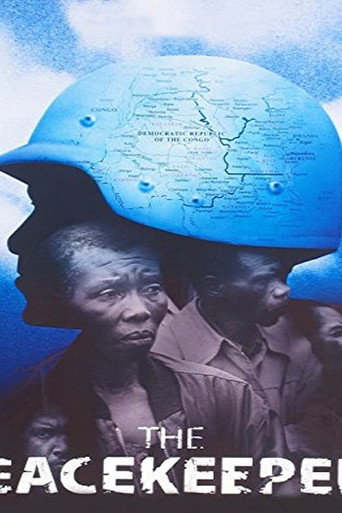
The Peacekeepers
With unprecedented access to the UN Department of Peacekeeping, The Peacekeepers provides an intimate and dramatic portrait of the struggle to save "a failed state" The film follows the determined and often desperate maneuvers to avert another Rwandan disaster, this time in the Democratic Republic of Congo (the DRC). Focusing on the UN mission, the film cuts back and forth between the UN headquarters in New York and events on the ground in the DRC. We are with the peacekeepers in the "Crisis Room" as they balance the risk of loss of life on the ground with the enormous sums of money required from uncertain donor countries. We are with UN troops as the northeast Congo erupts and the future of the DRC, if not all of central Africa, hangs in the balance. In the background, but often impinging on peacekeeping decisions, are the painful memory of Rwanda, the worsening crisis in Iraq, global terrorism, and American hegemony in world affairs.
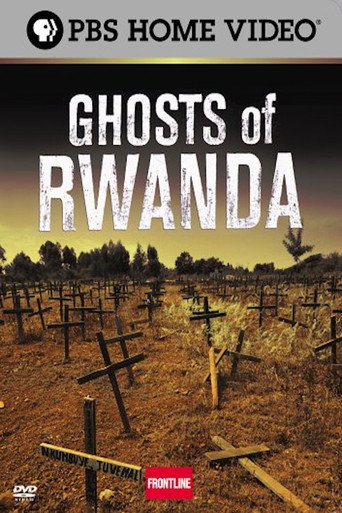
Ghosts of Rwanda
Ghosts of Rwanda marks the 10th anniversary of the Rwandan genocide with a documentary chronicling one of the worst atrocities of the 20th century. In addition to interviews with key government officials and diplomats, this documentary offers eyewitness accounts of the genocide from those who experienced it firsthand. FRONTLINE illustrates the failures that enabled the slaughter of 800,000 people to occur unchallenged by the global community.
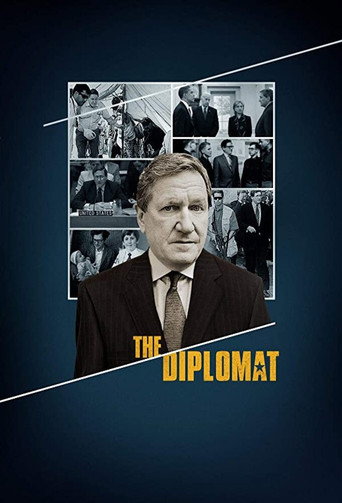
The Diplomat
The life and legacy of Richard Holbrooke, whose singular career spans fifty years of American foreign policy, is told in this documentary from Holbrooke's eldest son David.
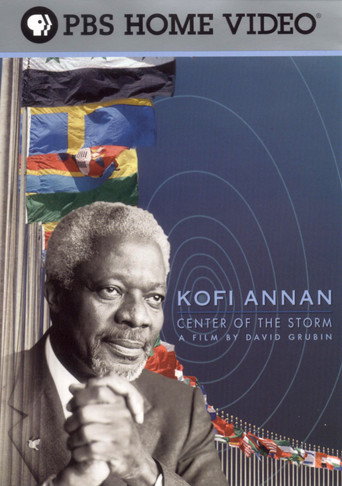
Kofi Annan: Center of the Storm
This documentary follows the life of Kofi Annan, winner of the Nobel Peace Prize and Secretary General of the United Nations. With unprecedented access, filmmakers follow Annan as he accepts the Nobel Prize, struggles to get food to Afghans threatened with starvation, travels to Tokyo and Thailand to raise funds and garner support for the interim government in Afghanistan, and celebrates East Timor's new independence.

The Corporation
Since the late 18th century American legal decision that the business corporation organizational model is legally a person, it has become a dominant economic, political and social force around the globe. This film takes an in-depth psychological examination of the organization model through various case studies. What the study illustrates is that in the its behaviour, this type of "person" typically acts like a dangerously destructive psychopath without conscience. Furthermore, we see the profound threat this psychopath has for our world and our future, but also how the people with courage, intelligence and determination can do to stop it.
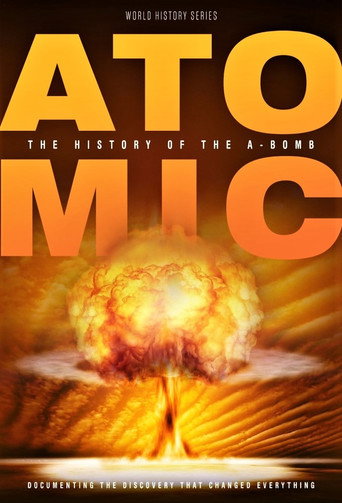
Atomic: History Of The A-Bomb
The smallest of sparks can lead to the largest of explosions. Such is the case of the Atomic Bomb and the minds who have conceived of the deadliest force the world has ever known. This new documentary Atomic: The History of the A-Bomb follows this weapon of mass destruction from inception to detonation.
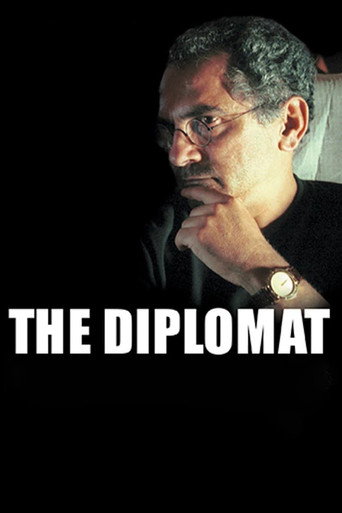
The Diplomat
For 24 years East Timor's freedom fighter and Nobel Peace Prize winner José Ramos Horta campaigned to secure independence for his country, a Portuguese colony invaded by Indonesia in 1975. The Diplomat takes up Ramos Horta's story in the final dramatic stages of his long journey - the fall of Indonesia's President Suharto, the referendum to determine East Timor's future, the overwhelming vote for independence, the devastating carnage that ensued, the intervention of United Nations peacekeepers, and Ramos Horta's final triumphant return to his homeland.
Gallery