Acting
Ko Seol-bong was a South Korean actor.
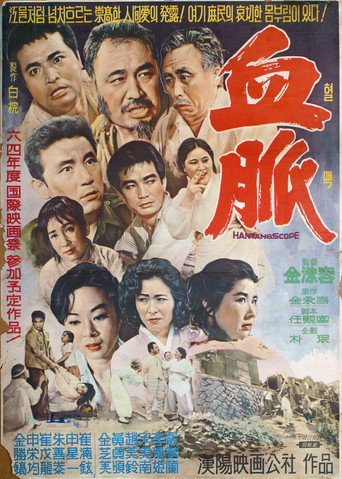
Two brothers—Chul-ho, an accountant with a toothache and a pregnant wife, and Yong-ho, an unemployed ex-soldier wounded in battle—navigate life in post-war Korea.
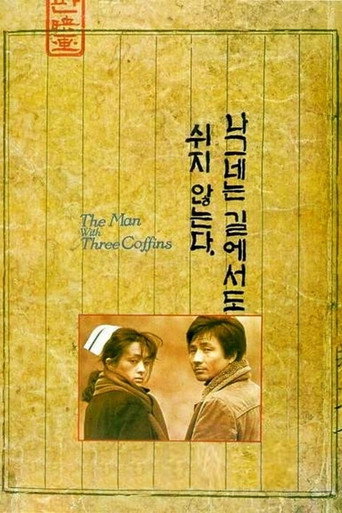
While journeying across South Korea for a suitable place to scatter his late wife’s ashes, a widower crosses paths with a nurse and her patient - a dying old man who offers him a considerable amount of money to take him to his hometown.
A Korean man, forced into service in the Japanese army during WWII, marries his Japanese girlfriend despite everyone's objections. Later, he becomes the sole survivor when the Americans attack.
During the Chinese-Japanese War (1937-1945) a nightclub dancer is given a dangerous mission by her dying brother. According to her brother's will, she goes on a journey with encoded papers of the Independence Army operations. She soon becomes a most wanted criminal by the Japanese Army and must cross the continent on her own.
The story takes place on a mountain slope where defectors from North Korea live. These families sell cheap things such as socks and pens to make a living and there is a serious gap between the parents and their children. A widower Kim Deok-sam nags his son Geo-buk to join the American army. Ok-Mae who lives next door teaches her daughter Bok-soon traditional Korean folksongs and forces her to become a gisaeng.
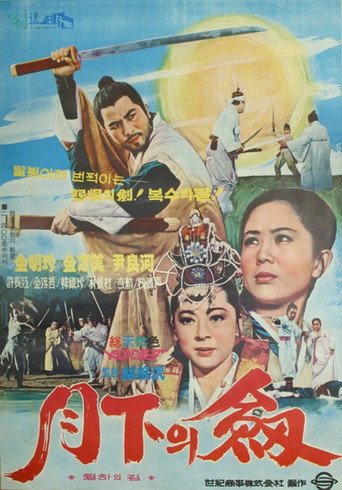
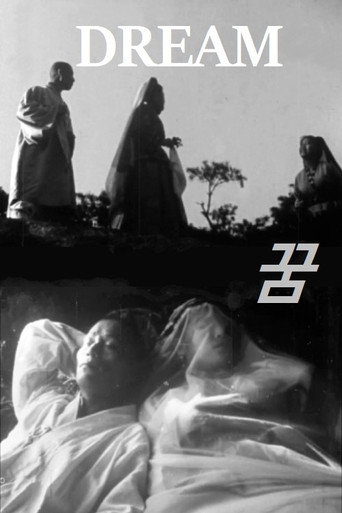
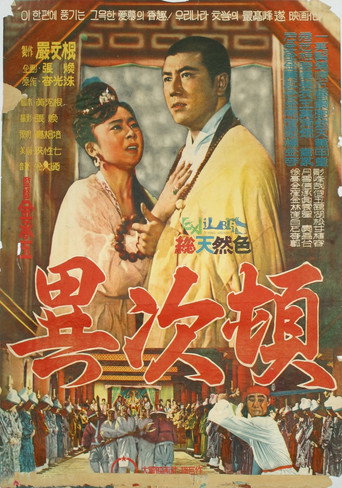
A young Buddhist monk, Jo Sin, is attracted to Tae-su's daughter, Dal-lye. He hopes to marry her, but she becomes Mo-rye Hwa-rang's wife. One day she secretly leaves the temple and runs away with Jo Sin. Hwa-rang finds out about it and is ready to take revenge on him. Jo Sin shouts out loud and realizes that he had just had a dream.
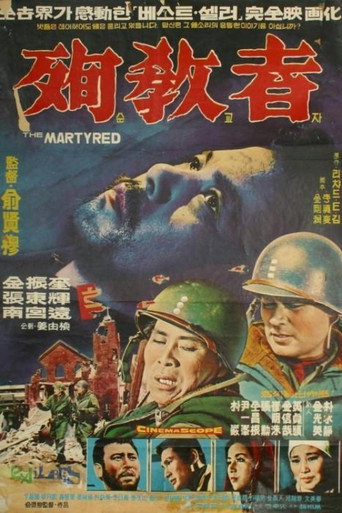
Out of fourteen ministers taken away by the communist troop, only two come back alive. The mystery behind their survival is at the issue here. Told through one of the survivor's testimony, depicts images of men troubled between the war and the religion. Although laden with anti-Communist notions from the 60's military regime.