Acting
No biography available.
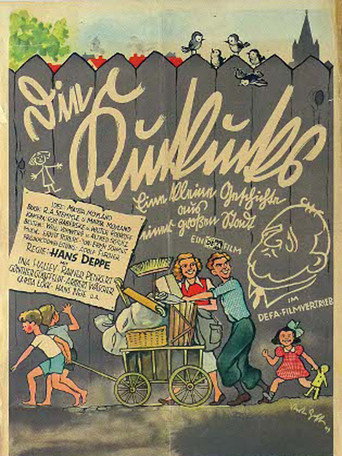
Berlin, shortly after World War II. Five parentless siblings, led by the oldest sister Inge Kuckert, search for a place to stay and a basis of existence in the destroyed city. A bombed villa in the Grunewald seems to be the right "cuckoo's nest", but an alleged authorised disposal tries to drive the siblings out of the building. Fortunately, the friendly neighbor can help.
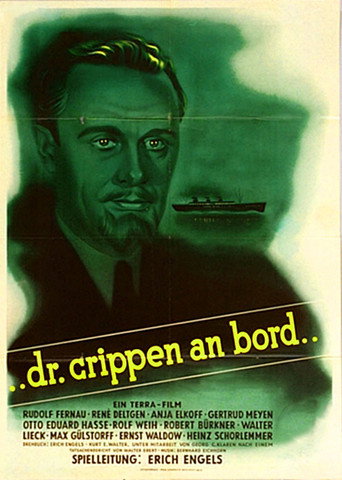
The popular trapeze artist Cora is married to the respected doctor Frank Crippen. After a party at the Crippens' house, Cora suddenly disappears. Apparently, she traveled to Brazil alone overnight. However, a friend of the couple is skeptical and calls the police. While excavating the garden, Inspector Düwell makes a gruesome discovery: body parts. Meanwhile, the prime suspect, Dr. Crippen, has already gone into hiding...
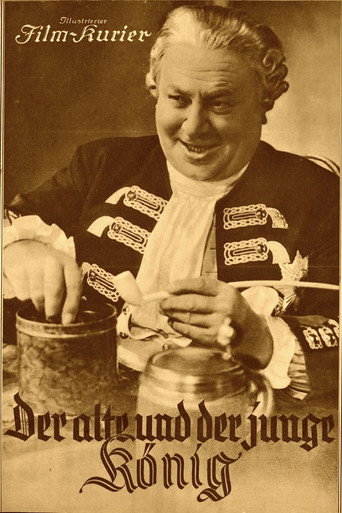
The story of the stormy relationship between King Friedrich Wilhelm and his son, who later became known as King Frederick the Great of Prussia.
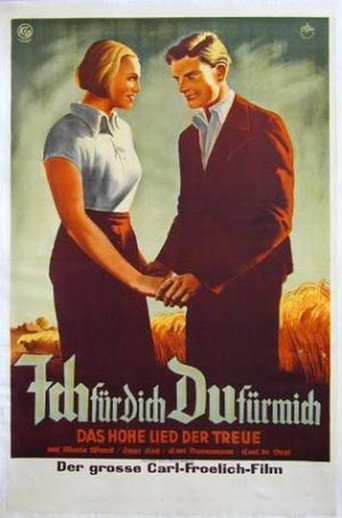
While on leave in Berlin during the Second World War, a soldier named Hans meets a young woman named Monika. They fall in love and make plans for a future together after the war. Yet their later attempts to find an apartment and get married are hindered by the housing shortage and they have to stay separately with relatives.
Nazi propaganda film in which German girls from differing walks of life come together to serve the Fatherland in the 'Bund deutscher Maedl,' by harvesting crops, doing housework, acting as midwives, helping with handicrafts, and singing songs.
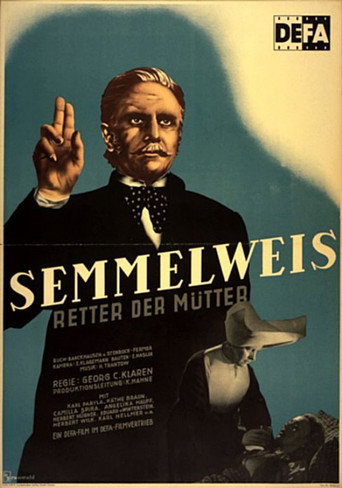
In the middle of the 19th century, almost one in three women who gave birth died of puerperal fever. The Hungarian doctor Ignaz Philipp Semmelweis also observed these terrible occurrences in his clinic in Vienna. He came to the conclusion that it was primarily the unhygienic conditions in the clinic itself that led to this disease, as his colleagues were constantly shuttling back and forth between the anatomy department and the delivery room. He tries to convince the doctors of the absolute necessity of thorough disinfection by washing their hands with chlorinated lime. He meets with fierce resistance from his colleagues until he himself sets up an exemplary clinic in Budapest.
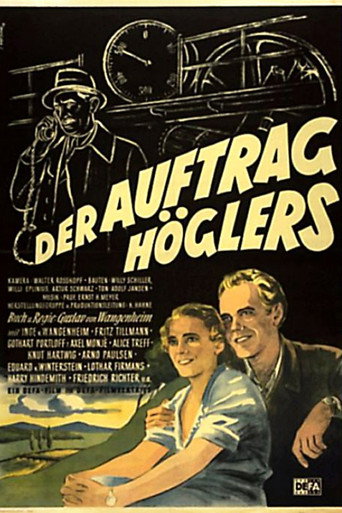
The Luisin ridge is divided not only by the river, but also by the zone boundary. The old CEO Högler still lives in the west, the eastern part has been expropriated and is managed by the chief engineer Dr. Tellen. He is working on a new steel production process that Högler absolutely needs. Högler's means to achieve his goal are bribery, espionage and slander. Trade union member Maria Steinitz almost becomes a victim of slander. However, the intrigue is exposed and Hogler's criminal intentions are thwarted. At a large production meeting, the old people's controller Hufland exposes the true culprits. Maria and Fritz Rottmann, a trade unionist from Munich, who have known each other since the days of the anti-fascist resistance, embrace each other.
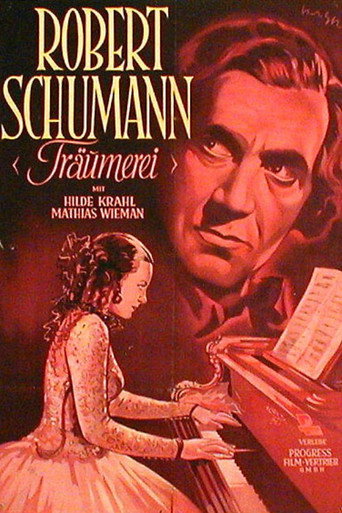
A musical film based on biographical facts about Clara Wieck's love for composer Robert Schumann (1810-1856), her marriage against her will, Schumann's triumph, and his tragic end due to mental illness. The film is beautiful and entertaining, full of noble spirit and beautiful words about art and love, which only conflict in a theoretical context; not least thanks to its solid cast, this film is quite serious and far from kitsch. Completed in 1944, during World War II, the film was rejected by the Nazi leadership, but was eventually released and enjoyed success with an audience already weary of war.
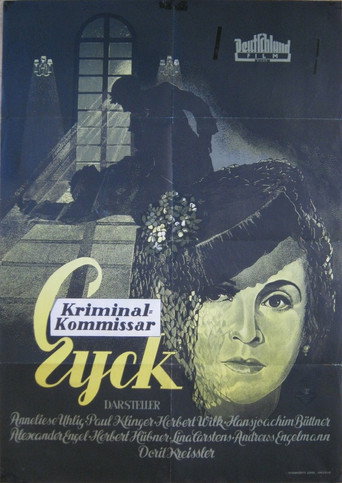
A murder in a winter sports hotel jolts Inspector Eyck out of his cozy, relaxed holiday mood. He rushes to the scene, where he encounters crime writer Gorgas, who, as he says, conducts "crime scene studies." But this case isn't fiction, because a dead man lies on the ground. Eyck immediately begins his investigation, which initially yields little insight. And the prime suspect, Gorgas, also has a watertight alibi.