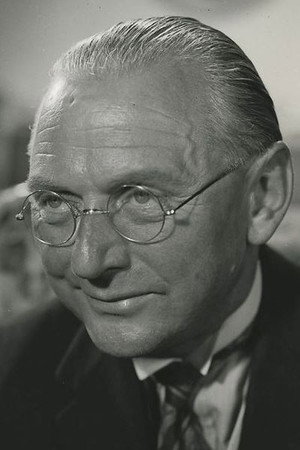
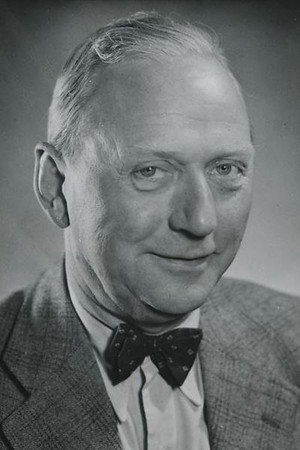
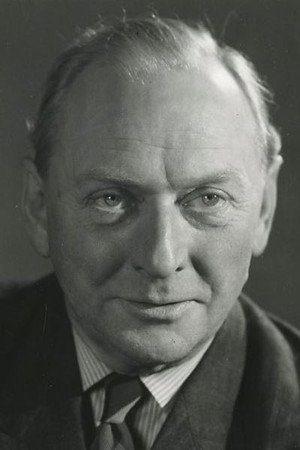
Knud Heglund Movies, TV Shows, and Filmography
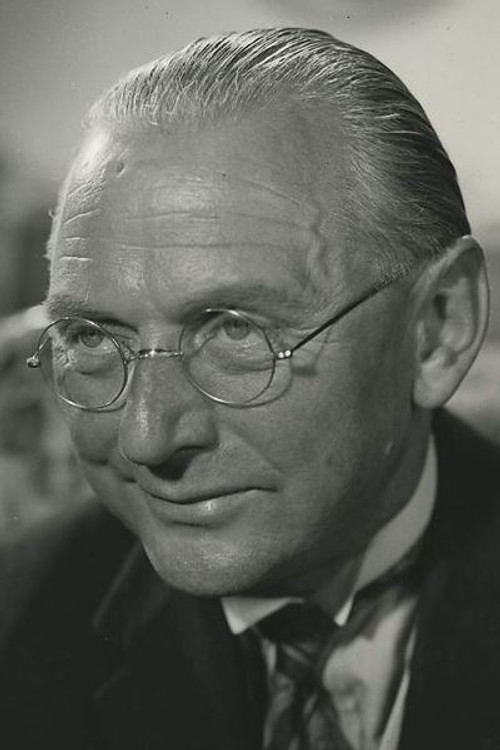
Knud Heglund
Acting
Biography
Knud Lars Valdemar Heglund (oprindelig Hägglund - navneændring 1927) var søn af garderobeforvalter Lars Heglund (død 1921) og hustru Johanna Voss (død 1944). Han voksede op i et hjem med tilknytning til Det ny Teater, hvor han debuterede 22. marts 1913 i Alexander den Store. Derefter kom han på provinsturne og blev siden elev på Det kgl. Teater, hvor han debuterede i 1919 som Helmuth i "En skavank". I 1925 forlod han nationalscenen og blev et par år senere - gennem flere år - en af de mest benyttede kunstnere på Apollo Teatret. Han havde derudover engagementer ved Nørrebros Teater, Komediehuset og Det ny Teater. I størstedelen af 30erne var han knyttet til Betty Nansen Teatret, hvor han spillede et imponerende antal roller indenfor det lettere klassiske repertoire. Han havde store successer i roller som Polonius i Kaj Munks "Hamleth", Noah i "Guds grønne enge" og som præsten i "Ordet" - alle på Betty Nansen Teatret. I 1944 kom han til Folketeatret, hvor han både var skuespiller og sceneinstruktør. Knud Heglund var også knyttet til Skolescenen. Da radioens dramatiske udsendelser startede kom Knud Heglund ind i rækken af de skuespillere som radioen fandt særlig egnet og han blev en populær radiokunstner både som oplæser og medvirkende i hørespil. Han medvirkede også i en række danske spillefilm. I 1956 fik han en biografbevilling til Skovshoved Bio, men dette ekstra arbejde tog så hårdt på hans kræfter - at han under en sceneprøve på Folketeatret blev ramt af et hjerteanfald og døde. Knud Heglund var medlem af Teaterrådet fra 1948 og af bestyrelsen for Olaf Poulsens Mindefond. Sammen med skuespillerinden Sophie Damaris Andersen fik han sønnen Jørgen Ole Heglund (19-06-1918). Knud Heglund blev i 1922 skilt fra Gerda Kofod og blev den 15. maj 1926 gift i Holmens Kirke med balletdanserinden og skuespillerinden Lili Heglund. Blandt hans revynumre kan nævnes "Da fut da da fut" fra 1927 og "Nu skal vi hjem i buret og kigge på Pappegøjn" fra Apollo Revyen 1928. Begge viser sang han sammen med Holger "Gissemand" Pedersen. I revykomedien "Guderne ter sig" i 1940 på Apollo-Teatret lancerede han "Diogenes vise" af Poul Henningsen og fra Cirkusrevyen 1942 stammer viserne "Den a'n vej" og "Vi dyrker swingpjat" som han sang sammen med Ib Schønberg. Sommerferierne tilbragte han i sit sommerhus "Teaterhytten" i Kårup skov ved Fårevejle.
Filmography Movies
Acting
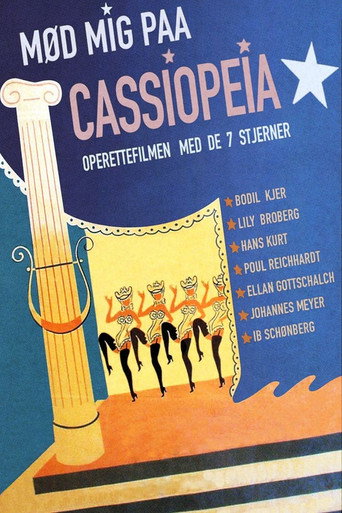
Meet Me on Cassiopeia
Composer John Berger is plagued by marital problems and struggling with a deadline for the music for an operetta. When he is visited by the muse of music, Polyhymnia, the melodies begin to flow, but she also causes a lot of complications in his earthly life. Like John's wife Irene, she falls in love with flight lieutenant Harry, while her father Zeus looks on disapprovingly and decides to intervene. Meanwhile, the premiere of the operetta is fast approaching.

Den gamle mølle paa Mols
A young, beautiful girl arrives at Krogerød Kro on Mols and shocks the innkeeper by telling him that he is her father. At the same time, the inn is about to lose its liquor license, threatening its very existence. The innkeeper tells the girl that both he and his friend from his military days have paid child support to her, as no one knew which of them was her real father.

En pige med pep
In a boarding house in the inner city lives Flora - a fresh Copenhagen girl with a burning dream: She wants to be a journalist. Accompanied by loud gramophone music, the typewriter clatters far into the night. But it is not easy to sell stories to the busy press, and Flora has only one last idea that can secure the rent: An interview with shipowner Olivarius, who has bought a precious Chinese statuette. But nothing goes as Flora expects, and soon she is on the hunt for a dramatic robbery story and - not least - in love with the suspected thief!
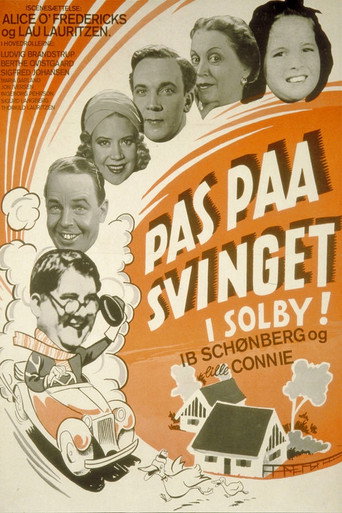
Pas paa svinget i Solby
The priest in Solby borrows 2,000 kroons from the parish council treasury to pay for one of his parishioners' hospital stays in Germany. Marianne, the rich man's daughter, is to be a bridesmaid in Aalborg and is leaving Copenhagen for Jutland. In Solby, she drives too fast through the town, which is why she has a car accident and ends up in the priest's garden! She immediately starts to lead everyone around the rectory, which Aunt Marie is definitely not happy about. The priest, on the other hand, is attracted to the girl. They swim in the lake and go to a ball together, which leads to Mrs. Larsen coming in to talk to the bishop. After Marianne has returned to Copenhagen, the bishop announces his arrival at the rectory. Where will the priest now find the 2,000 kroons? The priest has a number of friends who are trying to help him, but he also receives unexpected help from the bishop.

Sønnen fra Amerika
Niels Pind is a drunkard who is exploited by some of the town's residents. This comes to an end when his son, Jens, returns from America with a lot of money. Jens buys the local estate and starts extracting gravel from the ground. He quickly gains a bad reputation in the area because he only thinks about money. Niels Pind disowns his son. However, Jens changes as he falls more and more in love with Ingrid.

Under byens tage
Under the city's roofs, life goes on in a motley manner. It alternates with tears and smiles, with happiness and sadness. In the artist restaurant "Mona Bar" in the inner city, the former model Mona Frank acts as the goddess of artists. She helps with both money and heartache. Among the many artists, Niels Brandemose has his own face. He has recently come to the city to attend the Academy, and his whole desire and desire is to become a painter.
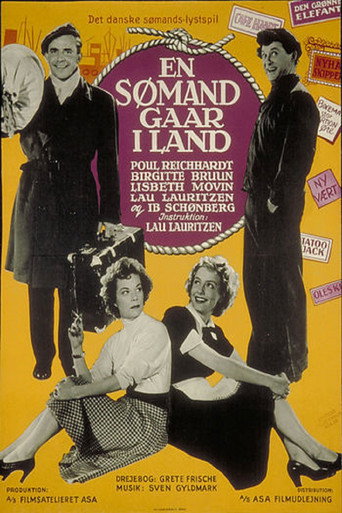
A Sailor goes ashore
Frederik Larsen (Lau Lauritzen Jr.), a sailor and has sailed since he was 15. Now he has lost the desire for a sailor life, especially after his best friend Bob was lost in a hurricane. When his ship docks at Copenhagen, shortly before Christmas, he signs off with all his hire on the pocket. He seeks accommodations in sailor home Bertel, located on the nice side of Nyhavn. Here he can stay and eat for very little money. He delivers his kitbag to the concierge Henrik (Mogens Hermansen) before he was lured by accordion music and the laughter that comes to him from the "naughty" side of Nyhavn. In the Cafe "The black sails", he accidently joins Inger (Lisbeth Movin) at the same table, whose profession is not in the phone book, although it is the world's oldest. Inger is in the company of an unemployed stoker Vladimir W. Olsen (Poul Reichhardt) that is full of scams, and has a good mood.
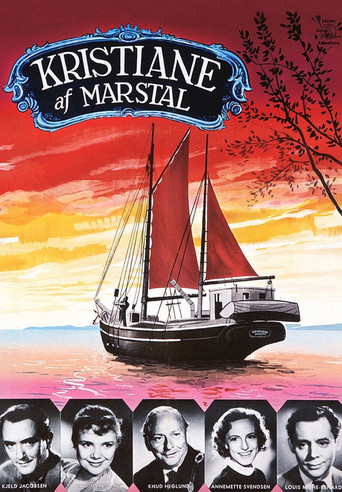
Kristiane af Marstal
Two young skippers, Hans Tønnesen and Poul Nielsen, have a small cargo ship that transports freight from Copenhagen to the provinces. Poul and Hans are in love with the same girl, Margit, who is the daughter of master baker Bonnekamp. However, Margit chooses Poul. On their wedding night, Hans cannot sleep. He sits in his boat and hears a splash in the water. He jumps into the water and rescues a young girl, Kristiane, from drowning. She is distraught because she is pregnant and does not dare tell her parents. Hans offers to marry her and acknowledge paternity, but on the way to his own wedding, his engine stalls.
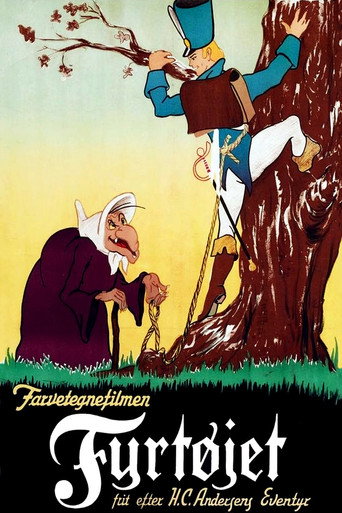
Magic Lighter
A soldier finds a magic tinderbox, and when he learns of its true power, he looks to use it to win over the local princess.

Frk. Kirkemus
The young Ms. Holm gets the job as private secretary to Director Berg and it quickly becomes clear that she is unusually active and enterprising. Ms. Kirkemus, as Berg has named her, brings life to the entire office and a business trip to Stockholm, where half the staff participates, becomes no less festive thanks to her. But Ms. Kirkemus has fallen in love with her director and it doesn't really suit her that Berg is meeting another girl in Stockholm and then the antics get even more intense...
Gallery