Klaus Hellwig Movies, TV Shows, and Filmography
Klaus Hellwig
Production
Biography
No biography available.
Filmography Movies
Production

Lillian Gish
New York, summer 1983. Jeanne Moreau goes to meet Lillian Gish to film a portrait of her. The star of American silent films invites her to her apartment and discusses her career from its beginnings on film in 1912. She remembers the conditions on stage when she was a child, the first Hollywood blockbuster, D. W. Griffith's Birth of a Nation (1915), and her passion for cinema guided by an inexhaustible curiosity.

Medea
Based on the plot of Euripides' Medea. Medea centers on the barbarian protagonist as she finds her position in the Greek world threatened, and the revenge she takes against her husband Jason who has betrayed her for another woman.
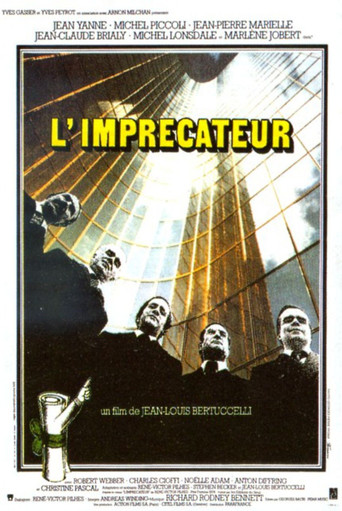
The Accuser
In this sardonic comedy, after an executive is killed in a mysterious automobile accident, the French offices of his multinational company is inundated with mysteriously threatening be-ribboned anti-capitalist tracts, delivered overnight to everyone's desks. Later, the executive's body is brought to company offices for an official wake -- only no one at the company has ordered that such a thing be done. A mysterious prankster, who is able to imitate the voice of the company's president, has arranged these things. When Americans from the head office get wind of these developments, they institute a search for the perpetrator which leads to mysterious subterranean passages under the company's skyscraper.
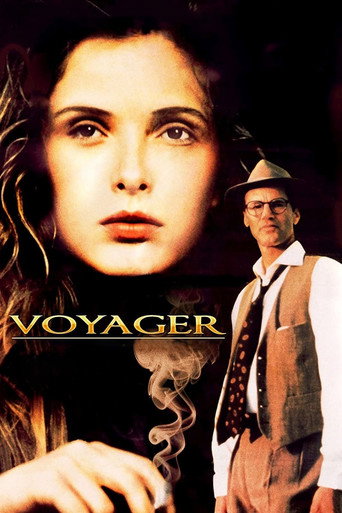
Voyager
April 1957: Rational engineer Faber's plane crashes in Mexico, where he learns that he became a father in 1938. He takes a ship from NYC to France and meets cute, young Sabeth. Is it fate?

The Lacemaker
Pomme is a meek and mild French beautician whose life takes a fateful turn during a vacation to Normandy. She becomes the lover of middle-class literature-student François. The relationship sours when François takes her home to meet his parents, thanks in no small part to their differing social backgrounds.
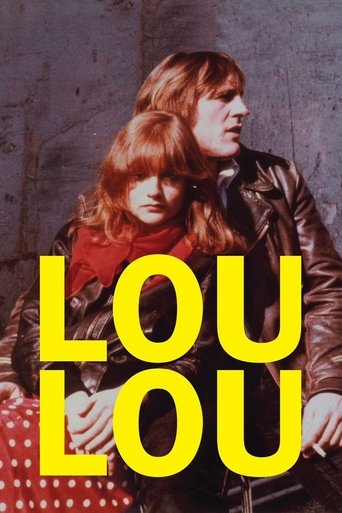
Loulou
A bored wife leaves her husband for an unemployed, petty criminal.
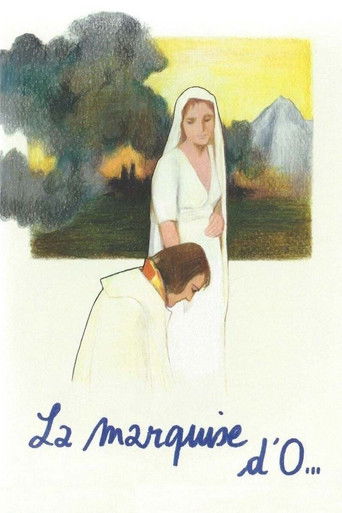
The Marquise of O
A German Marquise has to deal with a pregnancy she cannot explain and an infatuated Russian Count.
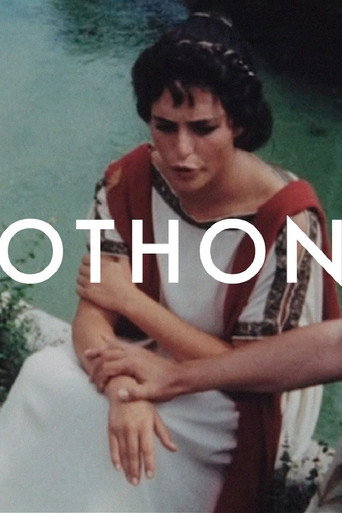
Othon
Straub-Huillet’s first color film, adapts a lesser-known Corneille tragedy from 1664, which in turn was based on an episode of imperial court intrigue chronicled in Tacitus’s Histories. The costuming is classical, and the toga-clad, nonprofessional cast performs the drama’s original French text amid the ruins of Rome’s Palatine Hill while the noise of contemporary urban life hums in the background. Their lines are executed with a terrific flatness and frequently through heavy accents; the language in Othon becomes not merely an expression but a thing itself, an element whose plainness here alerts us to qualities of the work that might otherwise be subordinated.
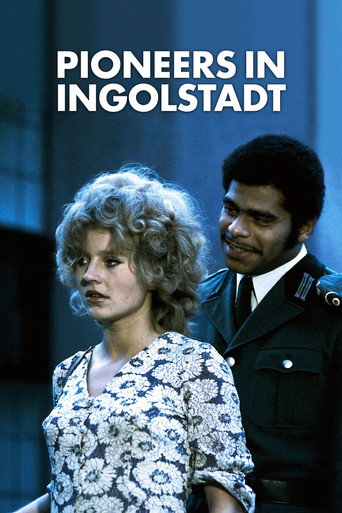
Pioneers in Ingolstadt
Berta, a naive young maid, searches for love when the army engineers come to town to build a bridge.
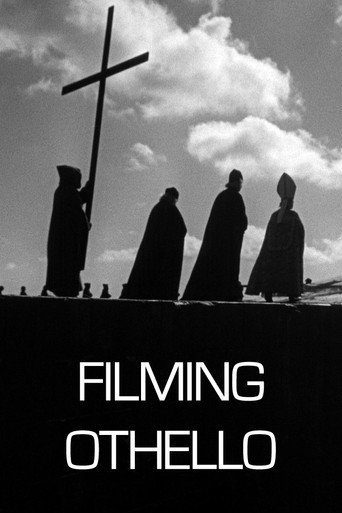
Filming Othello
Filming Othello is a 1978 documentary film directed by and starring Orson Welles about the making of his award-winning 1952 production Othello. The film, which was produced for West German television, was the last completed feature film directed by Welles.