Klara Badiola Movies, TV Shows, and Filmography
Klara Badiola
Acting
Biography
Licenciada en Filología Románica por la Universidad de Deusto. Inició su andadura en el campo del arte dramático simultaneando docencia (tras licenciarse impartió clases de Lengua y Literatura) con interpretación en el grupo de teatro en euskera Xaribari. Estas representaciones le llevaron a realizar un programa infantil en Radio Popular. Trabajando en este programa se presentó al casting de La fuga de Segovia (1981) de Imanol Uribe, y obtuvo un papel. El éxito de la película le impulsó a abandonar la docencia para dedicarse de lleno a la interpretación. Ingresó entonces en Antzerti, la escuela de Arte Dramático del Gobierno Vasco. Desde entonces, ha participado en innumerables películas y aparecido en numerosas series y películas realizadas para televisión.
Filmography Movies
Acting

Nora
Nora is 30 years old; she lives with her Argentinian grandfather Nicolás and regularly takes care of her friend Meri's children. She writes the horoscope for the town newspaper, although her dream is to be a travel writer. When her grandfather dies, she inherits an old Dyane 6. Despite being a terrible driver, Nora will set out aimlessly on a road trip along the Basque coast so that her grandfather's ashes may finally rest beside those of her grandmother. The road will soon teach her that she's not a born traveller and that her dream had nothing to do with roving, but was only an excuse for the chance to be free, to grow, to close wounds and, for the first time, to find her own happiness.
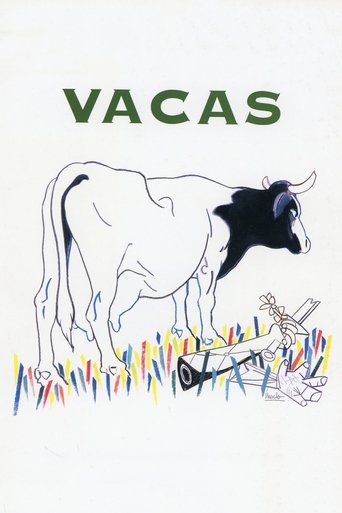
Cows
An act of cowardice influences the lives of two Basque families over three generations.

Bi anai
At the death of his father, Paulo, the youngest son, will have to be in charge of his mentally handicapped brother Daniel. Based on the novel by Bernardo Atxaga.
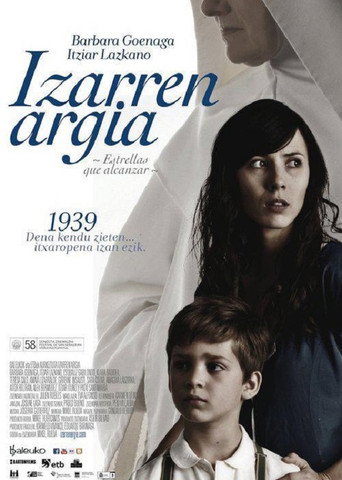
Stars to Wish Upon
Victoria is a republican widow who enters in the prison of Saturrarán (Vizcaya), place where an experiment of the Franco regime takes part: the separation of children from their mothers to give them up for adoption to families close to the regime, in order to break the chains of communism.
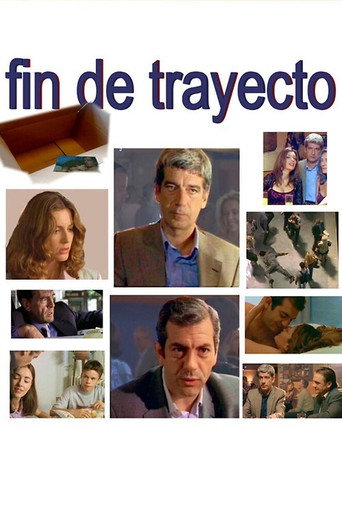
The End of the Night
After the death of the last survivor of a multiple murder, which remained in a coma, a journalist is asked to make an infographic about the case. Her personal involvement with the event will give clues to unexpected connections that shed new research data.
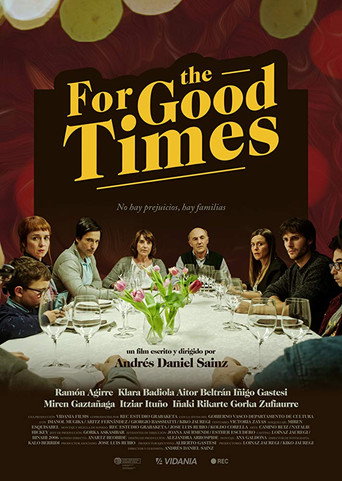
For the Good Times
On the birthday of the patriarch of the family, one of his sons decides to come out of the closet and test the tolerance of his nearest and dearest. But the surprises that he has up his sleeve do not end there.
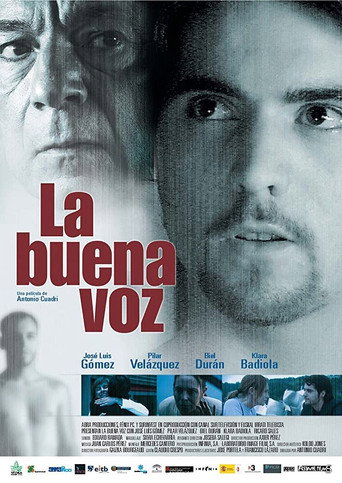
The Good Voice
La Buena Voz (aka The Good Voice) explores the relationship that develops between a father and a gay son he never knew existed -- two men suddenly and unexpectedly thrust into each other's lives. Pepe, a slightly listless, fifty-something taxi driver with a heart condition, suddenly learns that he fathered a child, Jordi, from a quiet affair with his wife's girlfriend. Jordi, now HIV-positive, enters Pepe's world and recolors the elder's perspective and outlook on life, with his take-no-prisoners zeal for living and a restless, inquisitive spirit.
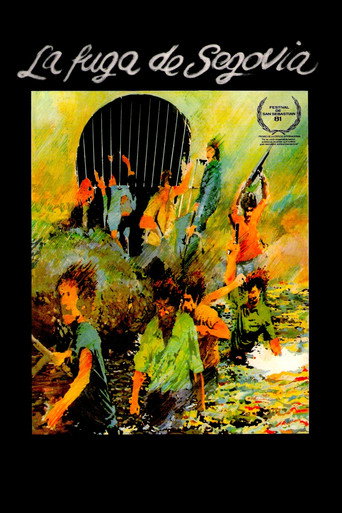
Escape From Segovia
In the summer of 1977, a political prisoner, living in exile, recounts the circumstances of his escape to a journalist: in April 76, a group of ETA members planned to escape from prison, but the project fails when, due to a tip-off, the guards discover the tunnel they are digging. The inmates, far from being discouraged, start a second tunnel.
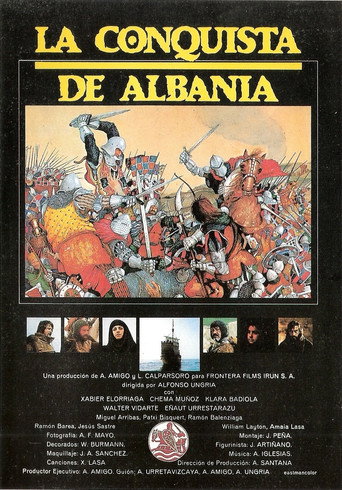
La conquista de Albania
King Carlos II of Spain (r. 1665-1700) once sent his brother Luis to lead a military expedition into Albania and conquer that land for the Spaniards. Since Albania was a part of the dowry of Luis' wife, it seemed like a reasonable idea at the time. While that expedition and its final battle is the subject of this historical film, the scale involved can hardly do justice to the concept. The protagonists talk incessantly, and by the time they get down to the final grand battle, it turns out to be a skirmish between several dozen men.