Klára Melíšková Movies, TV Shows, and Filmography

Klára Melíšková
Acting
Biography
No biography available.
Filmography Movies
Acting
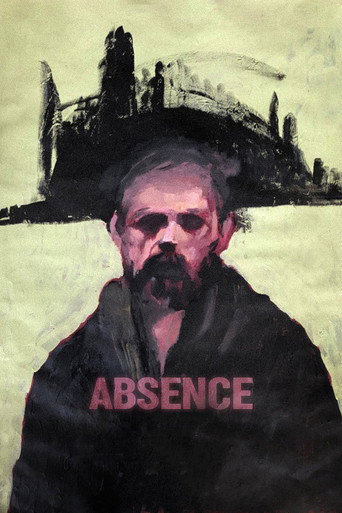
Absence
Rouzbeh arrives in Prague, far from his troubled family life in Tehran, to research his father’s past. Visiting the flat where his father, a communist expatriate, lived 50 years ago, in the times of Czechoslovakia, he is stopped by a policewoman investigating a recent accident. The current resident of the flat, Vladimir, who turns out to be Rouzbeh’s half-brother, has fallen out the window. Discovering hidden corners of Vladimir’s life and getting closer to his soul, Rouzbeh learns a shocking truth about his father, totally contradicting the image of a hero he had about him. This puts him on the path which led to Vladimir's fall from the window.
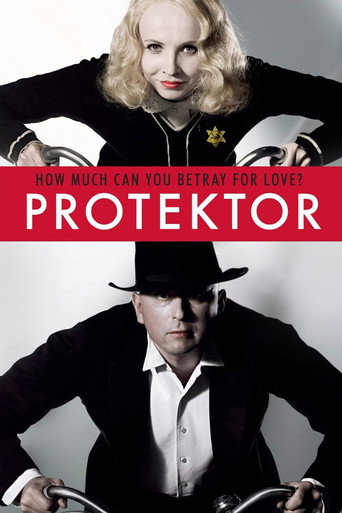
The Protector
A Czech journalist joins a Prague radio station what broadcasts Nazi propaganda in order to protect his Jewish wife. However, as the Nazi rule over Czechoslovakia calls for more and more collaboration, his relationship with his wife spirals downward.
Hodina klavíru
The story of František Stára, a recovering alcoholic, concertmaster, and composer. After returning from alcohol rehabilitation, he quickly realizes that his euphoric determination to start over is a tragic illusion. His wife has moved out of their apartment and found another man. A similar fiasco awaits him at his former job and later during his short stint at an elementary art school. At the most difficult moment, when František's private hopes and professional plans are collapsing and he resigns, he is selflessly helped by his former fellow patient from the clinic, Eda Mandík. This man, himself weak, inconsistent, and irresponsible, with unexpected and self-destructive devotion, gives up his own personal happiness and energetically spurs his flagging will to save his only friend. The price Eda pays for this act is not small, but his sacrifice was meaningful.
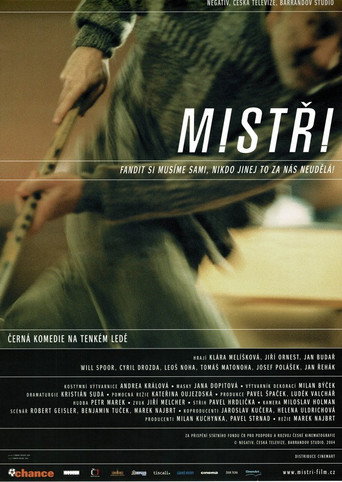
Champions
Ice hockey is a Czech national obsession, and the country's victory over Russia in the 1969 World Championships, the year following the Soviet invasion, is a celebrated moment in its history. In Marek Najbrt's black comedy, the heroic exploits take place only on a black and white tv screen as a group of representative misfits gather and watch the game in a desolate village on the Czech border. While consisting of recognisable types, Najbrt's bleak portrait reveals a world of alcoholism, debt, racism, bigotry, and infidelity that trails behind the dreams of nationalism and bears little resemblance to the fantasies of the new consumerism. A clever and multi-levelled film, it provides a sharp antidote to the reconciliatory charms of the conventional Czech comedy.
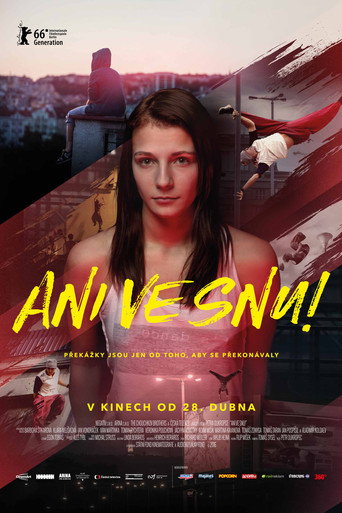
In Your Dreams!
Only a few girls practice the art of parkour – running and somersaulting over rooftops, free-climbing up rusted scaffolding and leaping from one wall to the next. Laura takes it all in her stride. Though as she wildly races through the streets of Prague, her thoughts are running wild too. She has a crush on Luky, but he doesn‘t show much interest in her. Laura‘s parents live apart, and her mother is desperately looking for someone new. Jealousy, misunderstandings with her best friend – Laura‘s life is full of confusion. Sometimes, when she can‘t take it anymore, fantasy worlds evolve. When hope and fear push through the cracks of reality, it gets harder to keep her life in balance.

Girl America
A little girl and a socialist orphanage. It is a strict children’s institution. How to overcome fears, insecurity and loneliness? To do this, the girl creates another self to talk to and argue with. And, of course, the dream of America where everything is beautiful and good. Where her father lives and waits for her. A girl and her foster family. There’s plenty of everything, but it doesn’t feel right. Emma’s trials don’t end there. Again and again, she must find the strength to hope, the stamina to live.
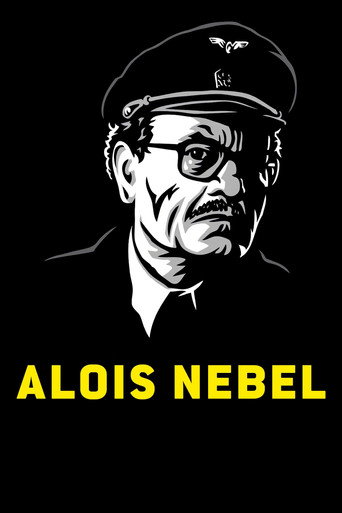
Alois Nebel
A train dispatcher encounters a mute stranger who appears out of nowhere, and finds himself mysteriously involved with a murder in Poland. The end of the eighties in the twentieth century. Alois Nebel works as a dispatcher at the small railway station in Bílý Potok, a remote village on the Czech–Polish border. He's a loner, who prefers old timetables to people, and he finds the loneliness of the station tranquil – except when the fog rolls in. Then he hallucinates, sees trains from the last hundred years pass through the station. They bring ghosts and shadows from the dark past of Central Europe. Alois can’t get rid of these nightmares and eventually ends up in sanatorium. In the sanatorium, he gets to know The Mute, a man carrying an old photograph who was arrested by the police after crossing the border. No one knows why he came to Bílý Potok or who he’s looking for, but it is his past that propels Alois on his journey…
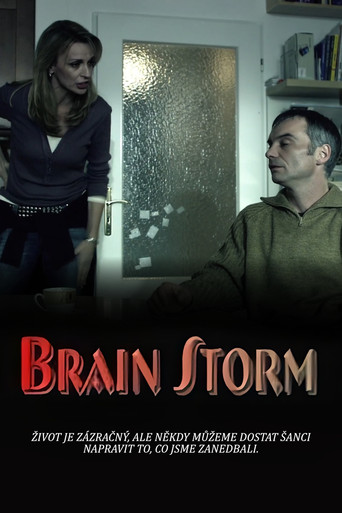
BrainStorm
Private psychologist Jakub tries to help others, but he has his own problems. Then he gets to take care of his old father which starts a lot of funny situations due to fathers starting dementia. Then this new medication appears...
Příběhy obyčejného šílenství
A man decides to take the madness of the world around him as inspiration.
Gallery