Acting
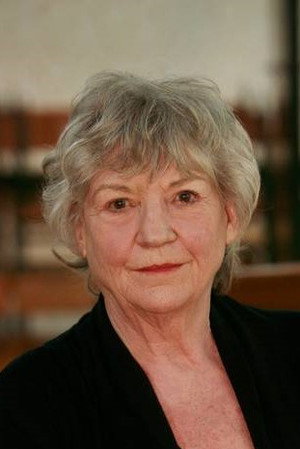
Kitty Courbois is a Dutch actress. Besides on television and in movies, she also stars in theatre plays.
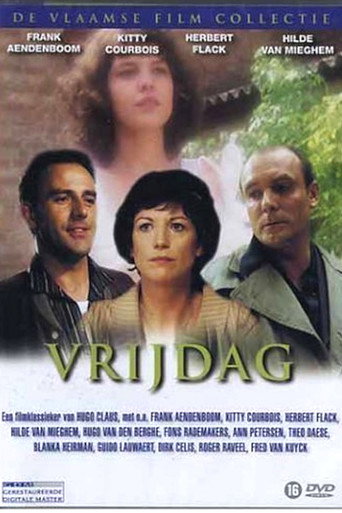
Hugo Claus rewrote and directed Friday as the cinematic version of his original 1969 play of the same name. Just as in the play, the story begins with the theme of incest, as the father Georges (Frank Aendenboom) returns from serving his jail sentence for that crime. Unlike the earlier play, however, the film does not emphasize that aspect of the story. When Georges gets home he finds out that his wife Jeanne (Kitty Courbois) has had an illegitimate child by a younger man, Erik (Herbert Flack), and now both of them must somehow try to return to a normal life, given their only too obvious lapses in moral judgment. As the husband and wife try hard to accommodate each other's failings and start to get to know each other again, Erik comes back into the picture. Now the three of them must resolve the deep-seated conflicts that brought them to this emotionally-wrought juncture of love and betrayal.
When a divorced museum director takes a young girl as a lover things quickly become more complicated when her ex-husband also engages in a relationship with the girl.
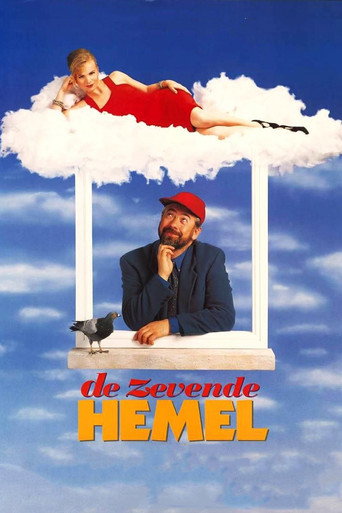
Samuel's life is in shambles and he wants to end it all, but then he saves his desperate neighbor by pretending to be her guardian angel.
A band of medieval mercenaries take revenge on a noble Lord who stiffs them by kidnapping the betrothed of the noble's son. As the plague and warfare cut a swathe of destruction throughout the land, the mercenaries hole up in a castle and await their fate.
Amateur dirt-bikers Rien and Hans–and their mechanic Eef–each fall in love with Fientje, a young woman who, with her brother Jaap, works a concession stand at the races. Everyone seeks a better life: Fientje wants out of the business and away from Jaap; and Rien and Hans aim to make their marks as pro racers, like their hero, Gerrit Witkamp.
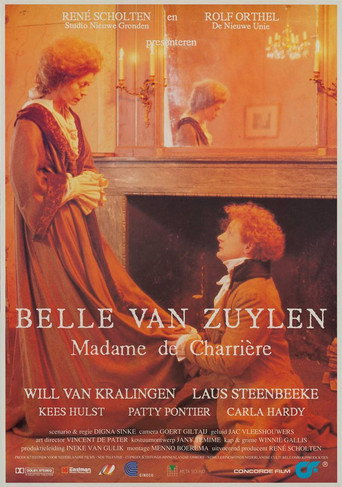
A biography of Isabelle de Charrière and her friendship with Benjamin Constant.
Television registration of the play of the same name that Annie M.G. Schmidt wrote for Toneelgroep Amsterdam. In a side room of a congress building, mother, son and daughter await the arrival of father, who will be honored for his services in the pharmaceutical industry. But father is delayed; the meantime is filled with conversations. The mother turns out to be having a lesbian affair. The play was poorly received.
At the deathbed of his used-to-be militant mother an older man looks back at his childhood, when he was in love with his sensual aunt Coleta.
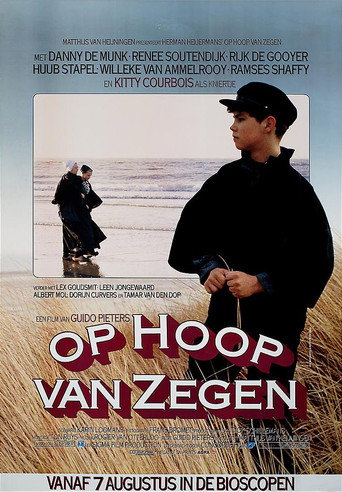
Young Barend is worried about the safety of the sailing vessel he is on. The owner is an unscrupulous and stingy man who skimps on repairs and Barend becomes aware of this. Inevitably there is drama and tragedy. The film is set in an early 20th century Dutch fishing village with local period costume and colour.
Tim Boerhave, a philosophy lecturer, loses his legs in a bomb attack. Who is responsible? The last image before the explosion is that of a large black dog with a sardine tin attached to its collar, jumping up against the kitchen door. For Tim, the question of who did it is less urgent than the question of why. No one has claimed responsibility for the attack. He can't think of any reason why he was targeted. While his house is being rebuilt, he and his family retreat to a quiet family hotel to recover. Day and night, he locks himself in his hotel room. He is obsessed with mapping out what preceded the explosion on that fateful morning. Who is the perpetrator? Why is Tim the victim?