Acting
No biography available.
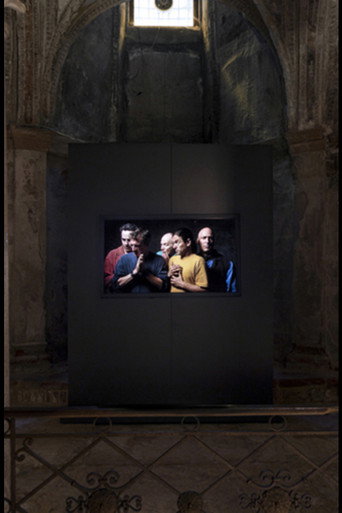
Gerald Fox’s film documents Bill Viola and his wife and close collaborator Kira Perov’s odyssey to create two permanent video installations for London’s St Paul’s Cathedral, Martyrs and Mary, the first art commissions of their kind to be installed in Britain’s most famous religious space.
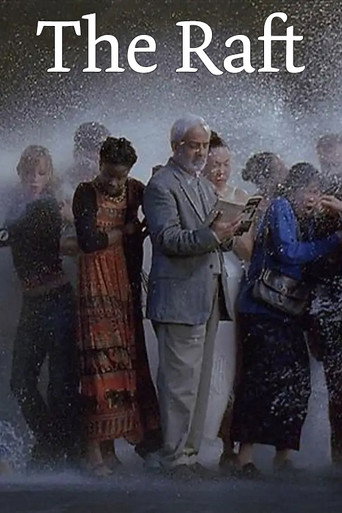
A small crowd of people are gathered in wait when they are suddenly struck by a massive onslaught of water.
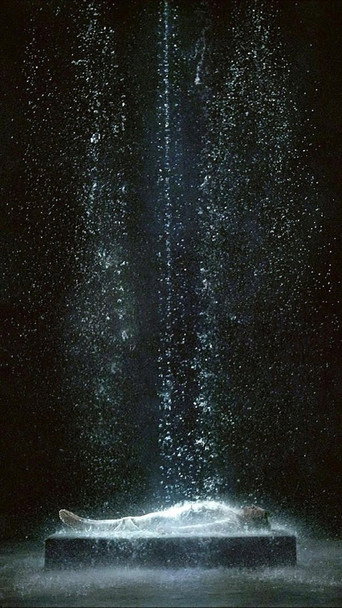
The ascent of the soul in the space after death as it is awakened and drawn up in a backwards flowing waterfall.
Déserts was created to accompany a live performance of the work of avant-garde composer Edgard Varèse (1885-1965). The Ensemble Modern, a contemporary music group based in Frankfurt, commissioned Viola to create a visual score for Varèse's Déserts after discovering notes by the composer referring to an unrealized image component of his composition. The resulting film/videotape was produced with the European television stations ZDF/Arte. In October 1994 Viola's Déserts premiered in a live performance in Vienna with conductor Peter Eötvös and the Ensemble Modern.
Moving through its five parts, the work describes a cycle of birth through to death, depicting both an eternal, universal Mary, and an earthly Mary representing human life on Earth.
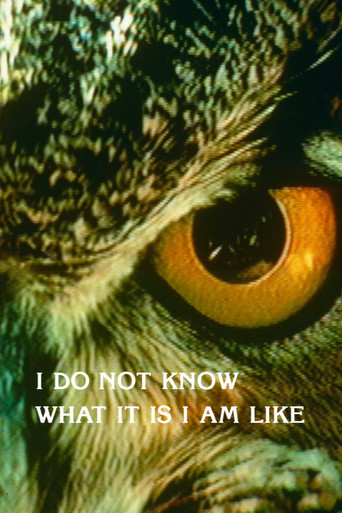
"I Do Not Know What It Is that I Am Like" juxtaposes images of animals, both wild and domestic, and natural environments with human activity as it takes place in an apartment, and during a fire walking ceremony in Fiji. Documentary-style footage is combined with staged events. Despite the piece's lack of a traditional narrative, it bears some relationship to nature works. The segment features material from "Il Corpo Scuro (The dark body)" - animals and natural environments are seen up close and at a distance.
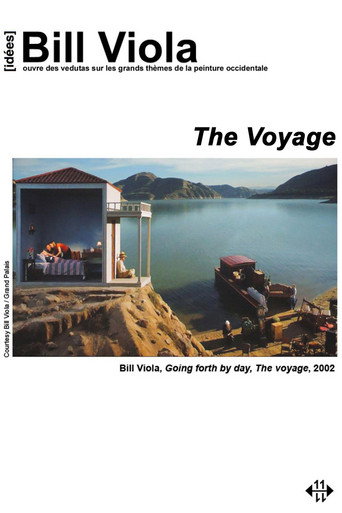
The fourth video in the five-part digital-image cycle project "Going Forth By Day" (2002), "The Voyage" features an elderly man who is dying, surrounded by his family, as a boat below filled with his possessions awaits him.
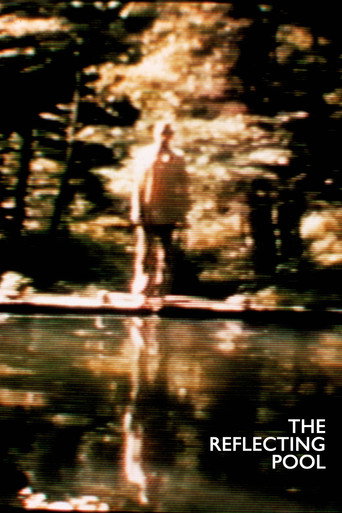
Viola's seminal piece, The Reflecting Pool, was made three decades ago on analogue video tape and yet could easily pass for a contemporary digital piece; in it, Viola emerges as central protagonist from a thick forest into a clearing filled by an artificial pool. As the noise of an aeroplane slowly passes and fades overhead, Viola approaches the edge of the pool, whereby he removes his shoes, squats down yelling and then prepares to make a powerful jump.