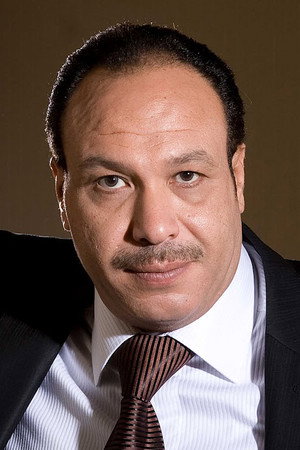
Khaled Saleh Movies, TV Shows, and Filmography
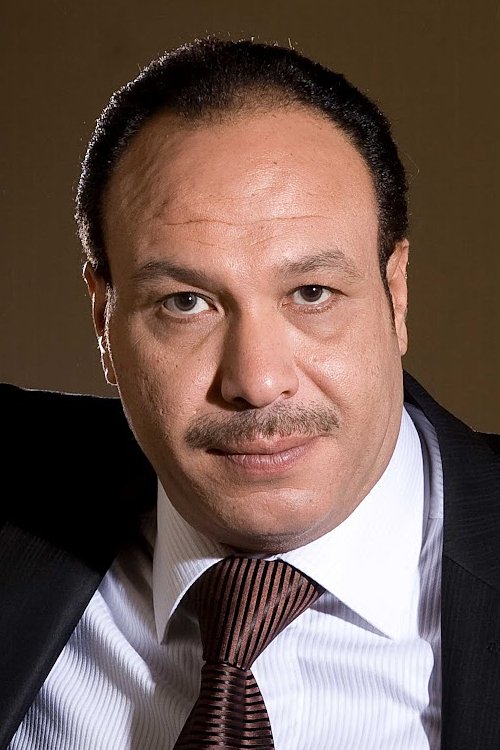
Khaled Saleh
Acting
Biography
Khaled Saleh is an Egyptian actor born on January 23, 1964, in Giza. He began acting in college where he took part in stage productions. He then performed in amateur theaters like the Hanijjar and then later on the Egyptian Opera House, where he stayed for a long time. Throughout this period, Saleh also did some business on the side. He completely devoted himself to acting in 2000, and at age 36 rose to prominence for his talented performances as complex, tyrannical villains. His most important films are "Tito" and "The Yacoubian Building" (2006) based on the best-selling Alaa Al Aswany novel. He's also known for his television work on "Sultan El Gharram," which aired during Ramadan 2007, and "Baad el Farraq" (Post-Split) which aired during Ramadan 2008. In 2007, he appeared in films "Ahlam Haqiqia" (Real Dreams) and the Youssef Chahine and Khaled Youssef co-directed film "Heya Fawda" (Chaos, This Is). His recent film credits include "Al Maslaha" (The Benefit) and "Black February" in 2012. he based away in September 2012
Filmography Movies
Acting
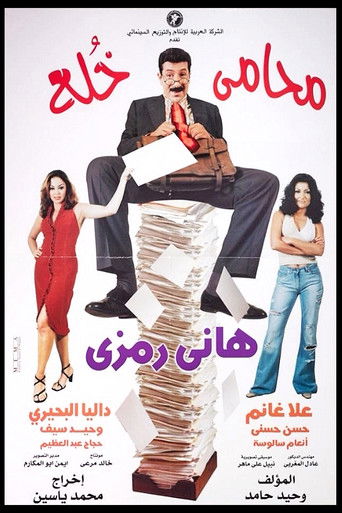
Her Divorce Lawyer
A wealthy woman who owns a designer cloth factory, goes to a lawyer asking to be divorced from her 3 months husband because he snores.
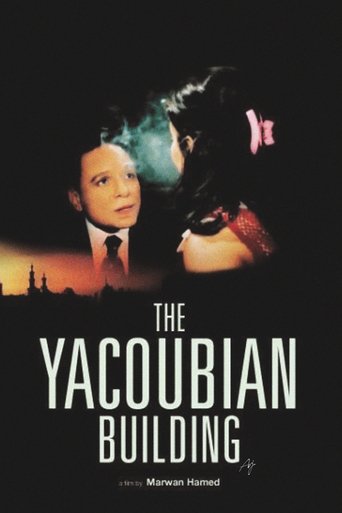
The Yacoubian Building
The lives of residents in an old Cairo building, "The Yacoubian Building," are affected by issues like corruption, extremism, class disparity, and sexuality. Through diverse characters, the film offers a critical examination of Egyptian society.
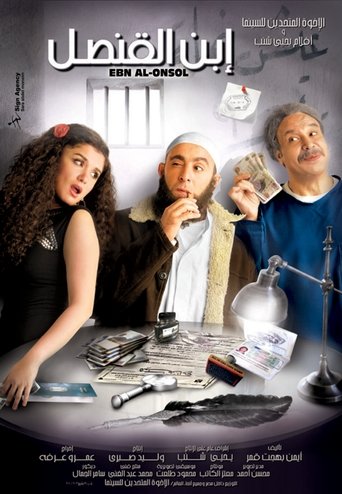
The Consul's Son
After spending 30 years in prison, a man comes out to find out he has a son. Together with his son and a newly-acquired friend he resumes his criminal life.

Fallen Angels Paradise
Tabel abandons his luxurious family life in favor of a bohemian life with his eccentric marginalized friends. When Tabel dies, his daughter attempts to give him a decent burial, but his friends take the corpse away to bid him farewell in their own way.

Shorom Borom
The film revolves around a fantasy framework surrounding them and what they face in order to achieve their dreams, as the young man (Abdo) is surprised by the appearance of fairies trying to help him with his problems.

Until Things Get Better
A film highlighting the issue of street children and the marginalized social class living under the pressure of economic conditions in a shanty district. Nahid escapes from her stepfather’s harassment only to become a victim of a horrible rape incident. She then becomes a dancer.

Chief Omar Harb
Omar Harb runs a gambling casino. A quiet young man lands a job at the casino, despite his family's abhorrence and disapproval, to get the money necessary for his marriage. He excels at work and catches the attention of the manager who chooses him for a challenging task.

Tito
Tito is the second installment in the new-wave Egyptian action movies. After Mafia by Sherif Arafa, which was a breakthrough in Egyptian cinema making, Tarek El-Aryan brings us Tito, the next logical step. Very simply, this movie is about an ex-con who tries to escape his sinful life by starting a new one, but his past comes back to haunt him. The reason, why Tito is better than Mafia is because the script and story line in Tito is more complex, and some of the characters had real depth in them and where fully developed throughout the movie.

Real Dreams
Mariam is living a troubled life with her husband Ahmed, suddenly her life turned to a nightmare after she dreams of crimes she discovered that it's a real crime after she wakes up, she decides not to sleep anymore.

Best Times
Ahla el-Awqat (The Best of Times) tells the story of a successful middle-aged woman (Salma, played by Hanan Tork) who is left to live with her step father after a not-so-tragic accident that claims the life of her mother. Salma goes on a quest to find out the identity of the sender of mystery letters and packages. One letter includes a picture of her and her two best friends from school (played by the Hend Sabry and Menna Shalaby), whom she has not seen for 14 years. Reunited, the girls embark on the quest of finding the identity of the sender.
Gallery