Directing
No biography available.
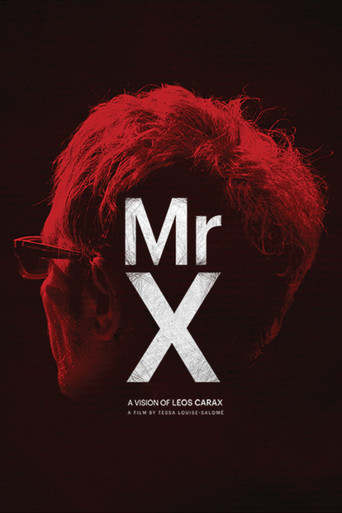
The image of a mysterious, solitary filmmaker - a cineaste maudit - who flees from both the media and the public, is unrelentingly bound to the figure of Leos Carax, in France. Elsewhere, the real focus is on his films and he is considered to be an icon of world cinema. Mr.X dives into the poetic and visionary world of an artist who was already a cult figure from his very first film. Punctuated by interviews and unseen footage, this documentary is most of all a fine-tuned exploration of the poetic and visionary world of Leos Carax, alias "Mr.X".
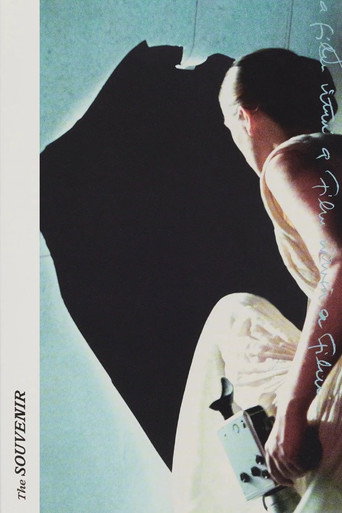
Making of documentary on The Souvenir & The Souvenir Part II.
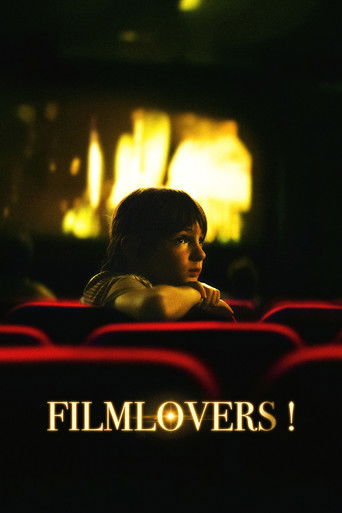
What does it mean, to go to the movies? Why have people been going for over one hundred years? I set out to celebrate movie theaters and their manifold magic. So I walked in the footsteps of young Paul Dédalus, as if in a filmgoer’s coming-of-age story. Memories, fiction, discoveries come together in an irrepressible torrent of pictures.
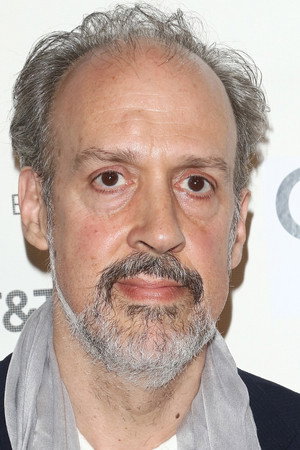
A 25-minute visual essay by Kent Jones about Jean-Luc Godard and his film 'Weekend'.
Critics Kent Jones, B. Ruby Rich, Joe McElhaney and Miriam Bale take a closer look at the feminist overtones in "Johnny Guitar."
Critics Kent Jones, B. Ruby Rich, Joe McElhaney and Miriam Bale discuss the unique qualities of "Johnny Guitar," its lasting appeal and the influence the film had on some prominent directors during the years.
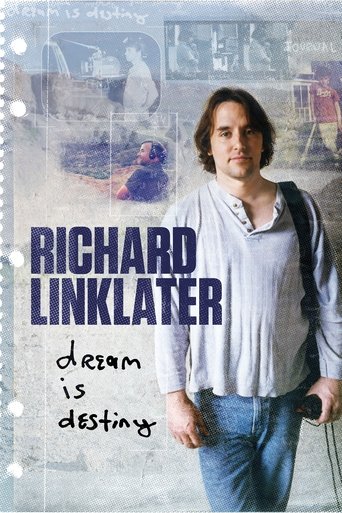
Highlighting one of the most innovative American directors, this film reveals the path traveled by the auteur from his small-town Texas roots to his warm reception on the awards circuit. Long before he directed Boyhood, Richard Linklater’s intense desire to create fueled his work outside the Hollywood system. Rather than leave Texas, he chose to collaborate with like-minded artists crafting modest, low-budget films in a DIY style. His ability to showcase realistic characters and tell honest stories was evident from his films, and others soon took notice of his raw talent.
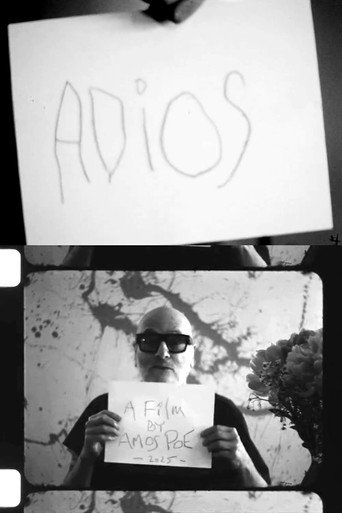
"Shortly after Amos went into home hospice he began filming ‘Adios’, a short film, compiled of 16mm and Super 8 footage, to premiere at his memorial, chronicling all the family and friends who have come to visit. Even Courtney our absolutely wonderful hospice nurse is in it. […] Only twice have we forgotten to film a visitor. Amos designated me the Director of Photography. Since I have to focus and shoot using my bad left eye the joke in our home is that it’s a film by a dying director and a blind DP." – Claudia Summers
Recorded at the 2016 Tribeca Film Festival at the Beacon Theatre
Martin Scorsese reflects on the profound influence of director Elia Kazan, tracing his artistic journey from the Group Theatre to Hollywood success and the controversies of the blacklist era. Co-directed with Kent Jones, the film combines interviews and clips from Kazan’s classics—On the Waterfront, A Streetcar Named Desire, and America, America—to portray him as a deeply personal filmmaker within an often impersonal industry.
Martin Scorsese narrates this tribute to Val Lewton, the producer of a series of memorable low-budget horror films for RKO Studios. Raised by his mother and his aunt, his films often included strong female characters who find themselves in difficult situations and who have to grow up quickly. He is best remembered for the horror films he made at RKO starting in 1940. Starting with only a title - his first was The Cat People - he would meticulously oversee every aspect of the film's completion. Although categorized as horror films, his films never showed a monster, leaving it all to the viewers imagination, assisted by music, mood and lighting.
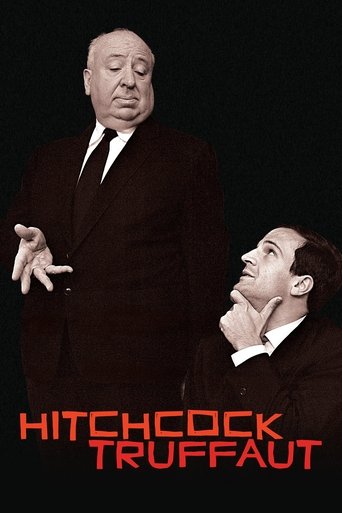
Filmmakers discuss the legacy of Alfred Hitchcock and the book “Hitchcock/Truffaut” (“Le cinéma selon Hitchcock”), written by François Truffaut and published in 1966.
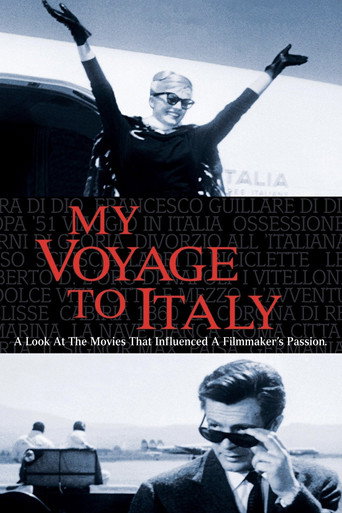
World-renowned director Martin Scorsese narrates this journey through his favorites in Italian cinema.
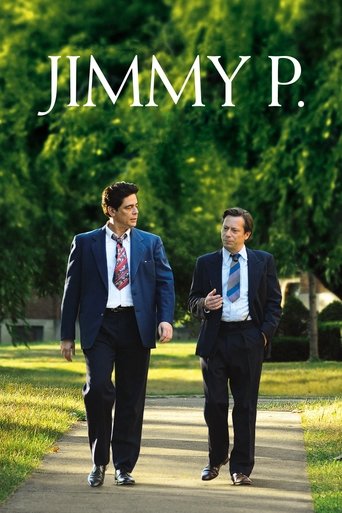
At the end of WWII, Jimmy Picard, a Native American Blackfoot who fought in France, suffers from unexplainable symptoms and is admitted to a military hospital. When doctors suspect schizophrenia, an eccentric psychoanalyst takes up the case and starts a conversation with the veteran.
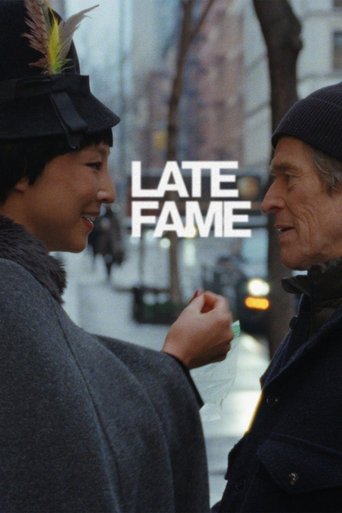
A long time ago Ed Saxberger wrote a book of poetry that no one ever cared about. When a group of young artists rediscover his work, he must reassess his genius. The wild card in the group is Gloria, a talented and mercurial theatre actress who toys with affections and who is all set to be admired by Saxberger.