Kenenbai Kozhabekov Movies, TV Shows, and Filmography
Kenenbai Kozhabekov
Acting
Biography
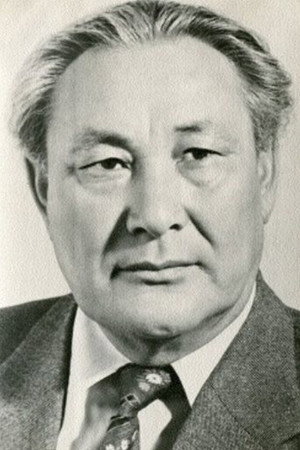
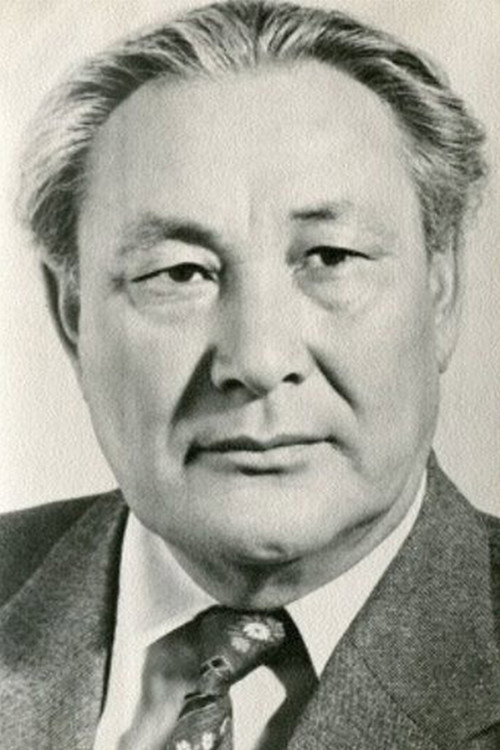
He was born on March 3, 1928, in the village of Aksengir. He graduated from the acting department of the Almaty Theater and Arts College in 1950. In 1949, he made his film debut with the role of the Chukchi Ayye in the movie Alitet Leaves for the Mountains, directed by Mark Donskoy. Donskoy had also selected other future prominent actors, including Nurmukhan Zhanturin (who played the role of Tumatughe) and Gulfayrus Ismailova. From 1950 to 1967, he performed on the stage of the Kazakh Theater for Young Audiences (Kazakh TЮZ). From 1958, he was an actor at the Kazakhfilm studio, where a documentary film about him, The Return of Kenenbay, was made in 1975. In the late 1960s, during a fight with bandits, he sustained a severe injury and became disabled. For the rest of his life, Kozhabekov was confined to a wheelchair, but he continued to act, mainly in episodic roles and those where walking was not required. The film The Wolf's Pit highlighted his acting skills, even though he was confined to a wheelchair.
Filmography Movies
Acting
Trizna
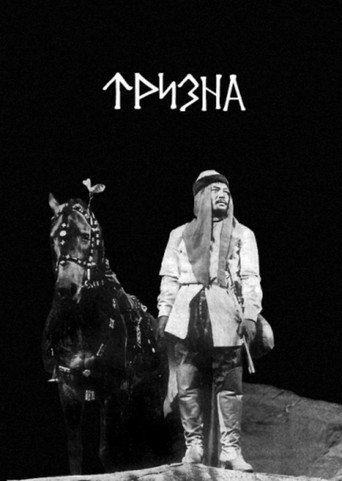
A rich young man follows the events of their wake of a dark sky before. And now however, it began with a bad smell like revenge.
Keep Your Star
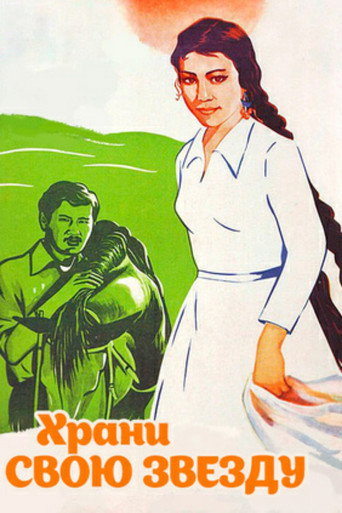
The son of an old shepherd got married, and the young daughter-in-law Saltanat entered the family with love and tenderness. She immediately fell in love with the parents of her husband Tastan, and she surrounded him with female care. And for her husband's brother, the girl became a true friend. The family honors traditions, does not consider them a relic of the past and believes in unity with their ancestors. How Saltanat's life will develop further - see the film Keep Your Star.
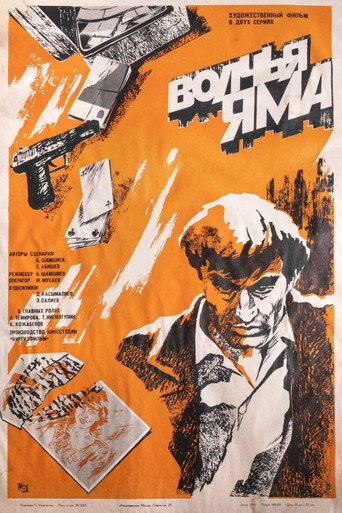
Wolf Trap
Samat is an orphan, and he strikes up a friendship with Musa, who is wheelchair bound due to illness. Little does he know Musa has ties to the criminal world.
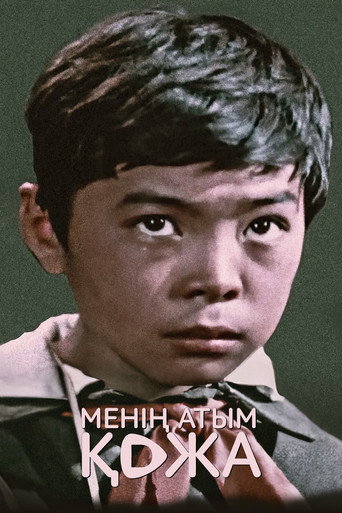
My Name Is Kozha
A story about a funny boy named Kozha who always gets into troubles.
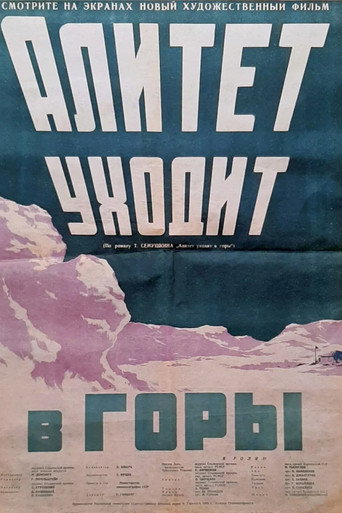
Alitet Leaves for the Hills
The inhabitants of Chukotka are shown to be cruelly exploited before the revolution. Once Chukotka is visited by the representative of the Kamchatka Revolutionary Committee, Los, and the ethnographer Zhukov. The news of the arrival of the Russians immediately disperses along the coast. Contrary to the pressure of the American Thomson and the local "oligarch" Alitet in Chukotka, fair trade laws are established, as a result of which the Americans and Alitet leave Chukotka.
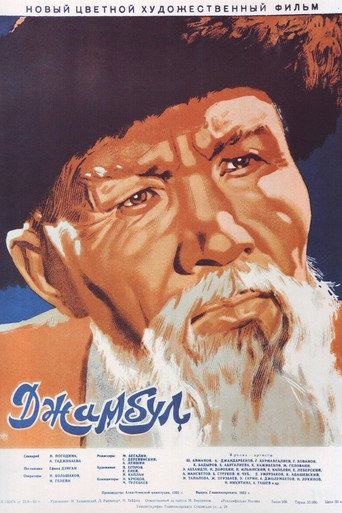
Zhambyl
The film tells about the life and work of the famous singer of the Kazakh people akyn Dzhambul Dzhabayev.
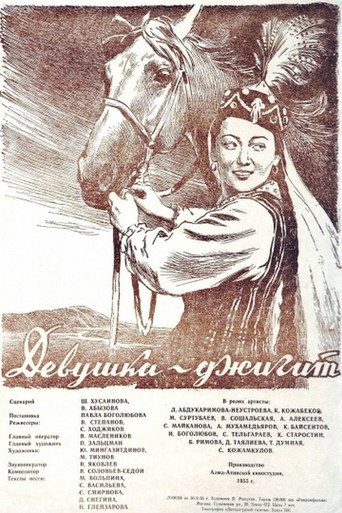
Dzhigit Girl
Aidar and Galiya have long been in love with each other. Aidar works as a horse breeder, and Galiya is a senior herdswoman at a collective farm stud farm. One day, due to an accidental misunderstanding, the young people quarrel. Angarbay, the store manager, who is also in love with Galiya, is trying to take advantage of this.
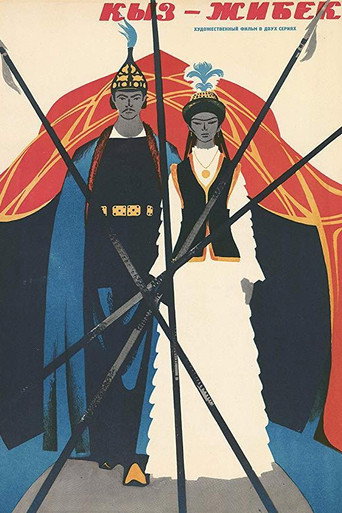
Lady Zhibek
Kyz-Zhibek - Kazakh poetic folk legend of the 16th century, tells about the period in the Kazakh nation when the people suffered from bloody feuds. In those times each province of the Kazakh nation had its own Khan and each tried to supersede the other. The love story of Tolegen, the brave warrior, and the beauty Zhibek ends tragically because of inter-family strife. Tolegen is foully murdered by Bekejan (the batyr, or nobleman, of the rival family), who earlier strived for the hand of Zhibek. Zhibek commits suicide after learning about the death of Tolegen.
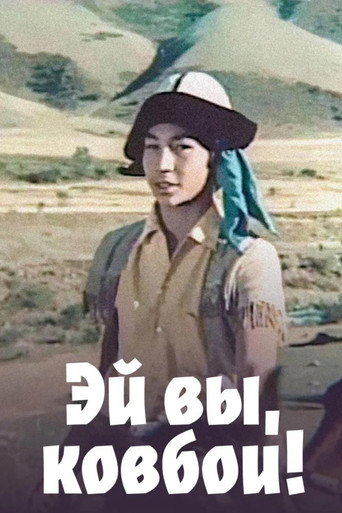
Hey You, the Cowboys!
About a group of schoolchildren from a Kazakh aul who swore to one another that they would win the inter-collective farm sports competition.
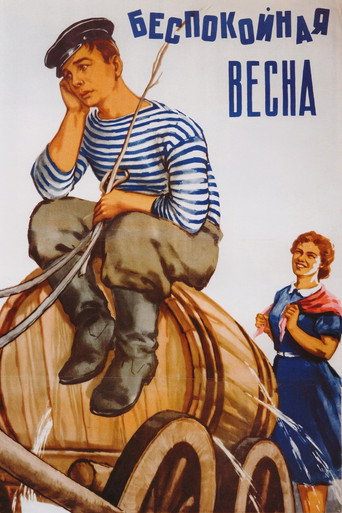
An Unquiet Spring
A comedy about Krushchev's 'Virgin Lands' project, to transform the barren and inhospitable spaces of the vast Soviet Union into fertile agricultural plains. A classically Socialist-Realist narrative of an individual's 're-education'. Zhenia, a hapless idler, arrives with a band of enthusiastic young Konsomol members to build a new town in the steppe. Although his dream, like that of all the young participants, is 'to become a tractor driver and a hero', he isn't prepared to work for the honour.
Gallery