Keltoum (Aïcha Adjouri) Movies, TV Shows, and Filmography
Keltoum (Aïcha Adjouri)
Acting
Biography
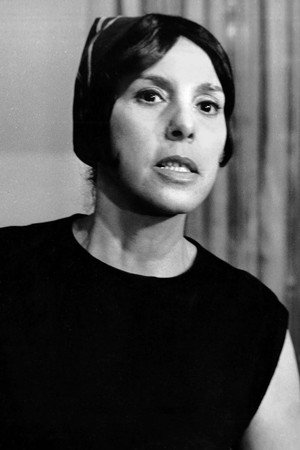
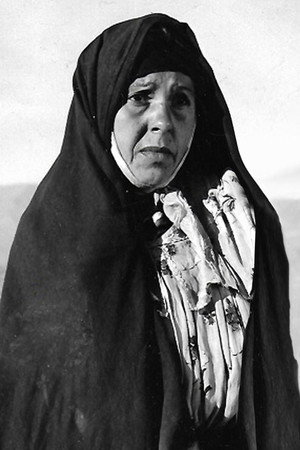
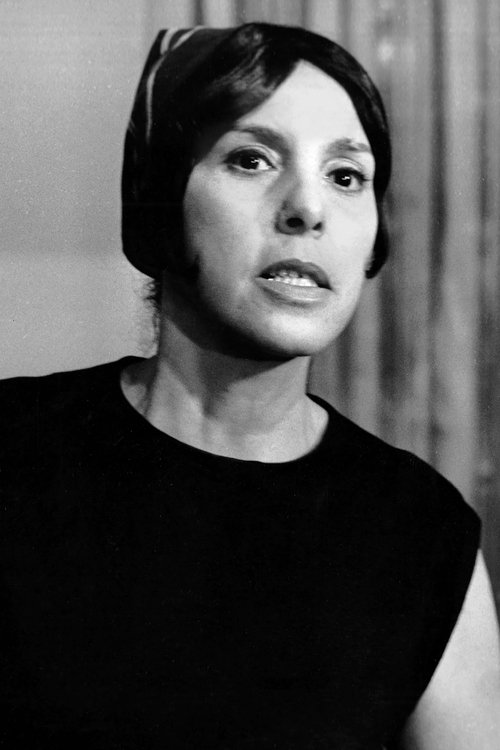
Keltoum, whose real name is Aïcha Adjouri, is an Algerian actress, born February 4, 1916 in Blida, and died November 11, 2010 in Algiers. Figure and dean of Algerian theater and cinema, Keltoum crosses paths with Mahieddine Bachtarzi who recruits her for a small role as a dancer in an operetta. In 1937, she co-starred with Rachid Ksentini in Marriage by Telephone and appeared in most of the shows on the famous "Mahieddine tours" in Algeria, North Africa and Europe. It also happened that the rigors of the colonial law of the time came to sanction the actress. In its edition of March 21, 1950, the daily newspaper Algiers Republican reports a fine of 50,000 francs imposed on Mahieddine by the municipality, the layoff for a month of the actress Keltoum and the ban on performing on the stage. of the Opera made to the Tunisian singer Ali Riahi, on the grounds that the piece El-Ouadjib and the songs during the performance included passages deemed "seditious". (Memoirs of M. Bachetarzi) Member of the Arab troupe of the Opera of Algiers when it was created in 1947 under the direction of Bachtarzi, alongside many stars including Mohammed Touri, Djelloul Bachdjerrah, Réda Falaki and Mustapha Kateb, she interrupted her activities in 1956 with the independance War. She is back on stage with the creation, in 1963, of the National Theater in the company of Mustapha Kateb, Mohamed Boudia, Abderrahmane Kaki, Allel el-Mouhib and Abdelkader Alloula. Until the turn of 1990, she will have played in several dozen plays. After Mort d'un commercial voyageur by Arthur Miller by Fouzia Aït El-Hadj (1987), followed by La Maison de Bernarda Alba by Federico Garcia Lorca, staged by Allel el-Mouhib, his last appearance dates back to 1991 , with the cover of El Bouaboune (Les Concierges) by Rouiched. At the cinema, she appeared in La Septième Porte by French filmmaker André Swobada with, in the main roles of Leila and Ali, on the one hand, Maria Casarès and Georges Marchal for the French version and, on the other hand, Keltoum and Bechir Gabsi for the Arabic version. She will shine especially in a magnificent silent and stripped interpretation of mother courage in the Vent des Aurès by Mohamed Lakhdar-Hamina in 1966. Asked about his meeting with the actress, Mohamed Lakhdar-Hamina confided that it was on the recommendation of André Swobada whom he met and chose Keltoum for the Vent des Aurès. She will play again in Hassan Terro (1968), December (1972) and Chronicle of the Brazen Years (1974) by the same director, then in Les Déracinés (Beni Hendel) by Lamine Merbah (1976), Le Vent du sud (Rih el- djanoub, 1975) and Hassan Taxi (1982) by Mohamed Slim Riad, The Roaring Years of the Twist by Mahmoud Zemmouri (1986) or even Hassan Niya by Ghaouti Bendedouche (1989). A figure of theater and cinema in Algeria, Keltoum was given a tribute in March 2010 at the initiative of the association of filmmakers Lumières. Ill, she could not be present at the ceremony. Keltoum was buried in the cemetery of El Alia.
Filmography Movies
Acting
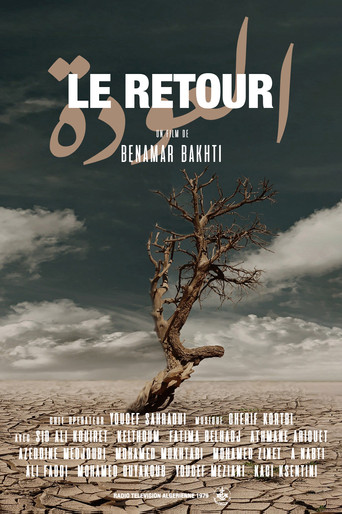
Le Retour
In the early 1970s, Lakhdar, an Algerian peasant, is forced to leave his desert land and his family for France, but immigration weighs on him and he dreams of returning. This day arrives, he walks in Paris, events decide otherwise.
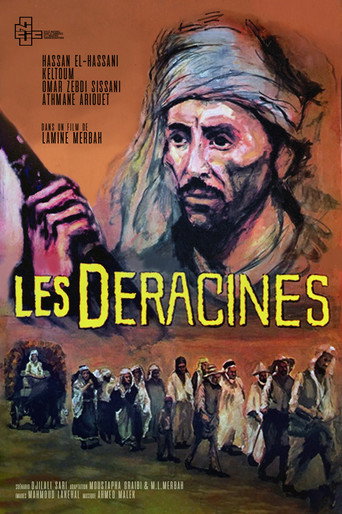
The Uprooted
In 1880, in colonized Algeria, it was decided that the Algerian peasants of the Ouarsenis mountains would see their lands dispossessed in favor of the French colonists. Two methods were used to achieve this, either by sheer force or by a ploy forcing the fellahs to pay fines too high to be paid. The uprooted must then leave for the cities, swelling the mass of proletarians in the slums ...
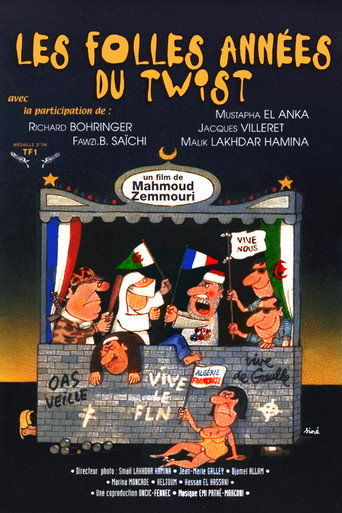
Les Folles Années du Twist
A small town in Algeria, in the years 1960-1962. Two young idle boys and rock fans, Boualem and Salah, try to survive in the turmoil of war, taking great care not to get involved.
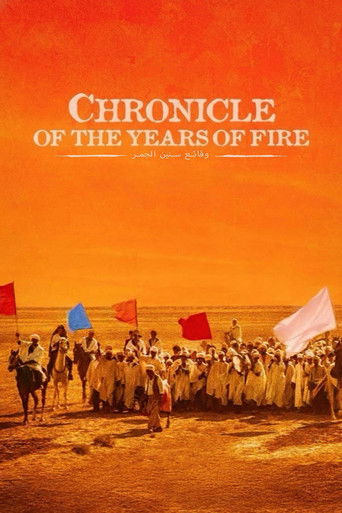
Chronicle of the Years of Fire
A meticulous chronicle of the evolution of the Algerian national movement from 1939 until the outbreak of the revolution on November 1, 1954, the film unequivocally demonstrates that the "Algerian War" is not an accident of history, but a slow process of suffering and warlike revolts, uninterrupted, from the start of colonization in 1830, until this "Red All Saints' Day" of November 1, 1954. At its center, Ahmed gradually awakens to political awareness against colonization, under the gaze of his son, a symbol of the new Algeria, and that of Miloud, half-mad haranguer, half-prophet, incarnation of Popular memory of the revolt, the liberation of Algeria and its people.

La parole est au témoin
Mustapha, a cab driver in Paris, charges a customer in a hurry, without realizing that he is in a hurry to escape his pursuers after robbing a jewelry store. The next day, reading the newspapers, Mustapha becomes aware of the role he has played in this affair, and would gladly assist the police if a fortuitous incident didn't make him fear the criminals' vengeance. It's a cruel dilemma in which he is both suspected by some and threatened by others. Weak but honest, he manages to get out of this predicament at the risk of his life!
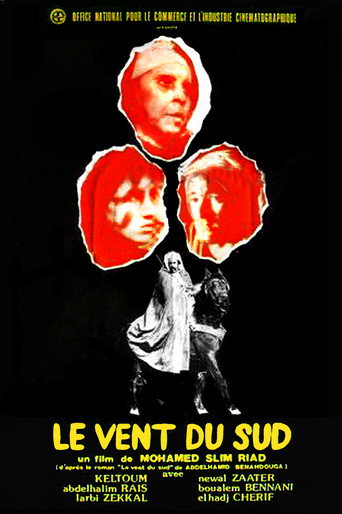
Wind from the South
Néfissa, a student in Algiers, returns to her village in the south in the summer. Her father wants her to marry the mayor but she wants to continue her studies. Confronting her father and the opinion of the villagers who do not understand her, she decides to flee to Algiers. The shepherd Rabah discovering her wounded and lost in the mountains, has her treated by her mother. In contact with Nefissa, Rabat becomes aware of his exploited condition and discovers the possibilities offered to him by the cooperatives of the agrarian revolution. The two young people will go through the decisive stage together which will allow them to escape obscurantism and exploitation. Based on the novel "Le vent du sud" by Abdelhamid Benahouga
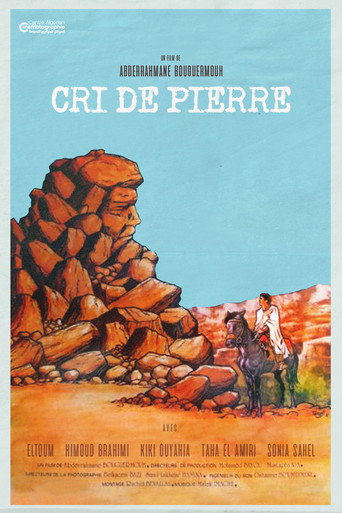
Cry of Stone
Led by Daoudi, a disenchanted architect, a group of Constantines return to their village in deep Algeria where a young man delivers to them words of boyish wisdom inherited from his deceased grandfather..
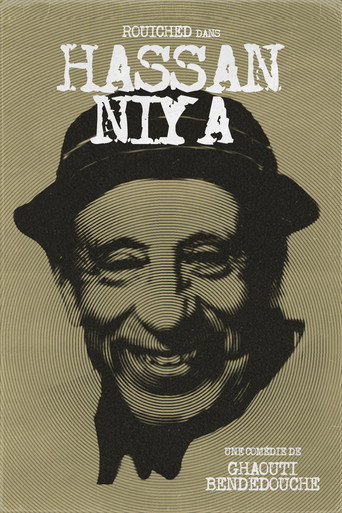
Hassan Niya
The story of Hassan, the handyman in the inn of his sister Aïcha, widowed and childless. A whole series of incidents, misunderstandings, will punctuate his daily routine in which we find him in turn driver, waiter, welder, etc. But, he refuses to submit to anything that does not conform to the idea he has of society and things...
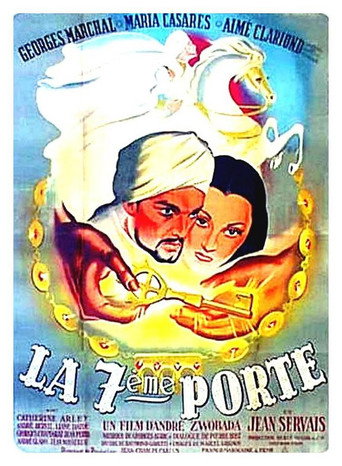
The Seventh Door
An old man about to die gives all his fortune to a young beggar he meets in an Arabian town. He takes him to his house (now the poor man's property) and he strongly advises him not to open one of the doors, the seventh door. "I could throw the key into the sea" says the young lad" No use, you'd dive to get it back". The young man is curious and he cannot resist temptation: he opens the forbidden door. A strange world is waiting for him where a girl, Leila, will be his guide .
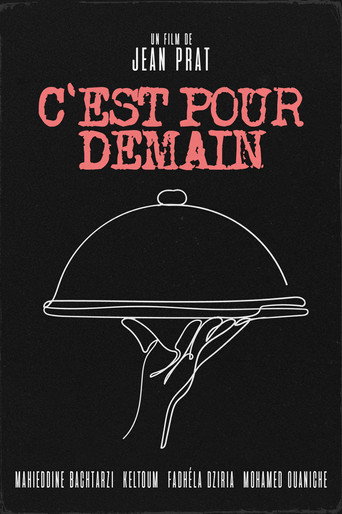
C'Est Pour Demain
Gallery