Acting
No biography available.
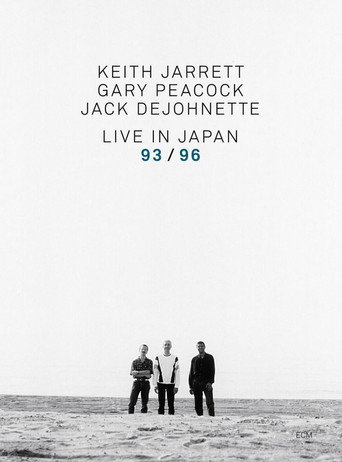
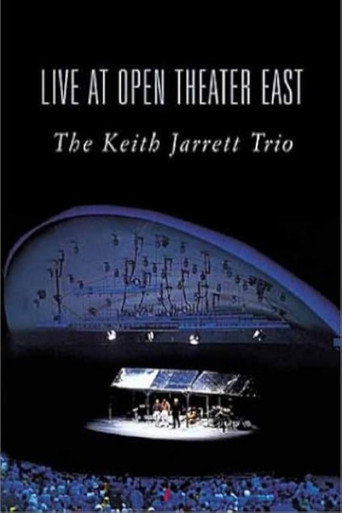
Reissue of Standards Trio concerts; originally released separately as Live at Open Theater East and Trio Concert 1996
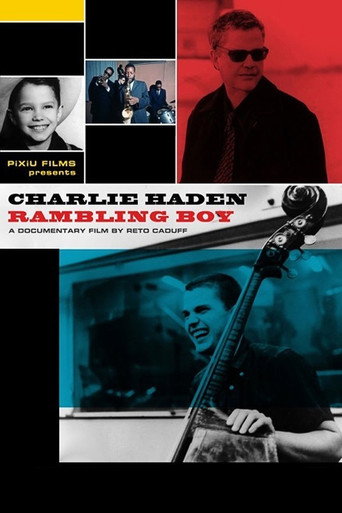
Throughout his career, Haden has constantly sought to transcend the boundaries of modern music. Widely considered to be among the greatest ever jazz bassists, Haden has contributed pivotal music to a stunning scope of genres: avant-garde, small group, big band, world music, folk and gospel, to name but a few. From the get-go it was clear for both director and subject that the film had to go beyond the generic filmed music story: an intimate look at the music and life of one of Jazz’ most inspiring and influential musicians. With access to Haden’s own personal archive, film sequences shot during concerts and recording sessions, interviews with an incredible selection of friends and collaborators and great archival footage, the documentary will please diehard jazz fans as well as the newly initiated.
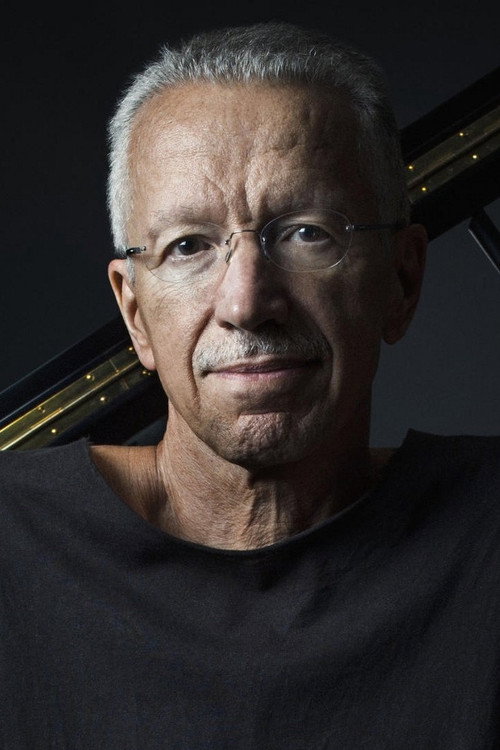
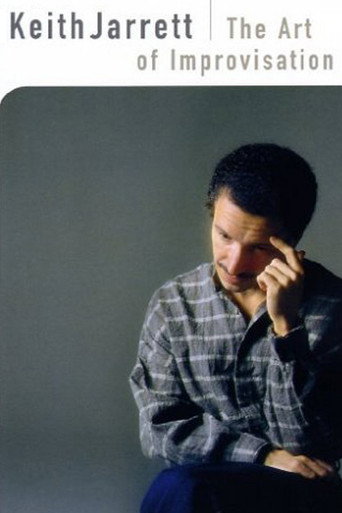
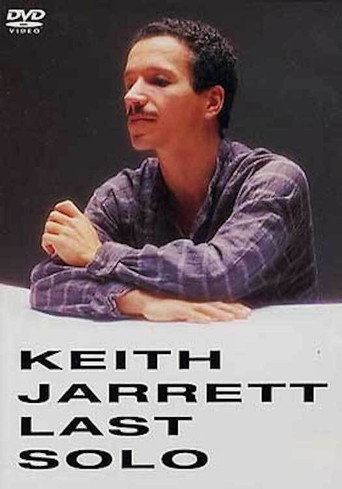
A documentary portrait of one of the world's superstars of Jazz, pianist Keith Jarrett, exploring his life and work.
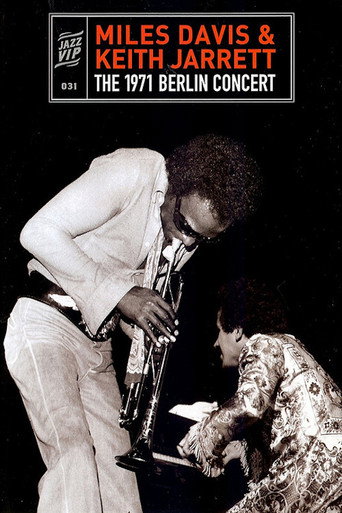
Containing a vibrant concert by the Miles Davis Band featuring Keith Jarrett.
Filmed in Canada during the Bach 300 Festival the film demonstrates the stunning universality of Bach's music from a graceful cantata duet to a rousing fugue performed by a tap dance ensemble. It is a celebration of the music of J S Bach as it is played, danced, sung, jazzed, computed, tapped, electrified and busked by a wide range of internationally renowned artists. Among the performers highlighted in this spectacular homage are jazz pianist Keith Jarrett, Christopher Hogwood and the Academy of Ancient Music, contralto Maureen Forrester, cellist Anner Bylsma, the Canadian Bass and the National Tap Dance Company.
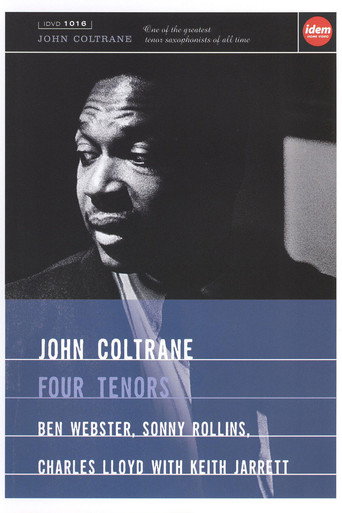
Four giants of the tenor saxophone -- including the legendary John Coltrane -- are featured in this collection of rare performances recorded in the '60s. Filmed for the television series Jazz Casual, which was hosted by the great jazz writer Ralph Gleason, John Coltrane: Four Tenors features Coltrane and his group (featuring Elvin Jones and McCoy Tyner) from 1963, Ben Webster (with Jimmy Witherspoon and Vince Guaraldi) from 1962, Charles Lloyd (accompanied by Keith Jarrett and Jack de Johnette) in 1968, and Sonny Rollins (joined by Jim Hall and Ben Riley) in 1962.
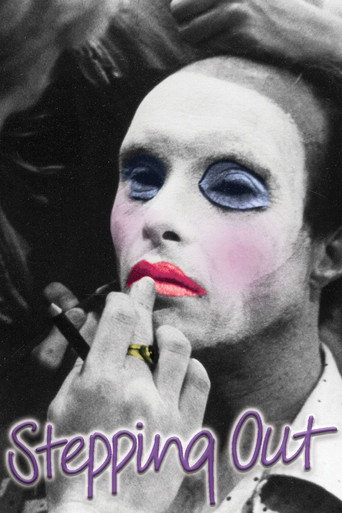
One of the most honoured and distinguished documentaries in Australian film history. Stepping Out draws attention to the talents of people with intellectual disabilities. The group went on to perform at the Sydney Opera House.
A poll for an advertising agency during a working day resulting in a series of meetings with women and men from different social strata, each one of them with a different problem.
A permanent disposal site is being sought for toxic waste, and a protest movement develops. A film crew travels through Lower Austria to find out the real implications of the contamination we read about every day in our newspapers.
A brief, gentle film, centered on a pair of dancers at the Hong Kong Academy for Performing Arts,
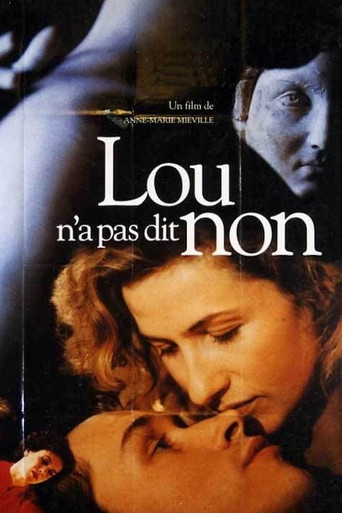
Moments and aspects of the life of a contemporary married couple undergoing a metamorphosis.
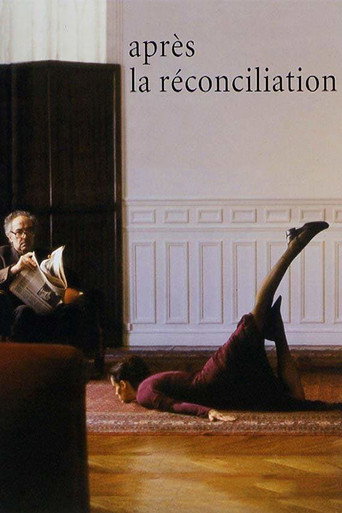
An elderly couple and a younger man and woman follow up failed seduction attempts with conversation about love and the meaning of life.
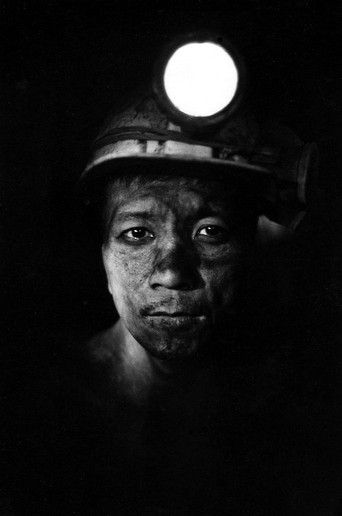
“Journey into the Mine” (礦之旅) is a 1981 documentary directed by Chang Chao-Tang (張照堂). Part of the “Journey Through Images” series (映象之旅), it documents the Ruìsān Coal Mine (瑞三煤礦) in Houtong, Ruifang (瑞芳侯硐). Using a portable ENG camera, the crew descended 600 meters underground to record miners working amid heat, coal dust, and gas hazards. Rejecting elite-centered television perspectives, the film foregrounds the resilience of working-class laborers. Its essayistic voice-over is paired with ECM jazz and blues, creating a distinctive tone. In 1982, it won the Golden Bell Award (金鐘獎) for Best Educational and Cultural Program. A rebroadcast added footage of the Neihu Futian Coal Mine disaster (內湖福田煤礦災變), producing a stark dialogue between policy narrative and industrial tragedy. Its footage was later used in Hou Hsiao-hsien’s 1986 film Dust in the Wind”(戀戀風塵).
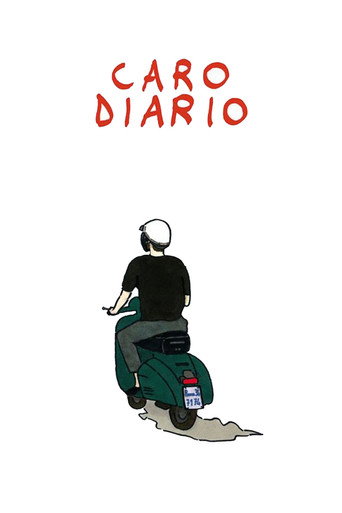
Nanni Moretti recounts in his diary three slice-of-life stories marked by a dry, ironic gaze: in the first, he rides his Vespa through a deserted, sun-drenched summertime Rome; in the second, he visits a reclusive writer friend on an island, who ropes him into an impromptu journey between islets in search of quiet; and in the last, he finds himself grappling with an unknown illness.