Kei Kumai Movies, TV Shows, and Filmography

Kei Kumai
Directing
Biography
Kei Kumai (熊井 啓, Kumai Kei, 1 June 1930 – 23 May 2007) was a Japanese film director from Azumino, Nagano prefecture. After his studies in literature at Shinshu University, he began work as a director's assistant. He won the Directors Guild of Japan New Directors Award for his first film, Nihon rettō, in 1965.[2] His 1972 film Shinobu Kawa was entered into the 8th Moscow International Film Festival.[3] His 1973 film Rise, Fair Sun was entered into the 24th Berlin International Film Festival. Sandakan No. 8 received widespread acclaim for tackling the issue of a woman forced into prostitution in Borneo before the outbreak of World War II. The film was nominated for the Best Foreign Language Film at the 48th Academy Awards.
Filmography Movies
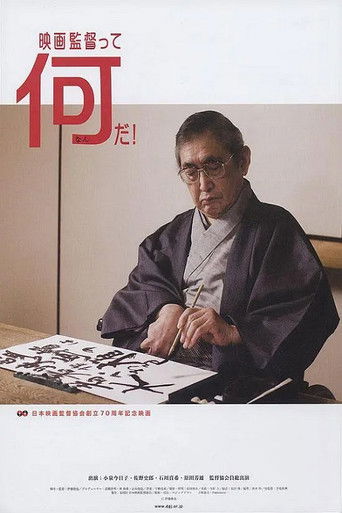
Production

Cape of the North
A Swiss nun falls in love with a Japanese engineer.
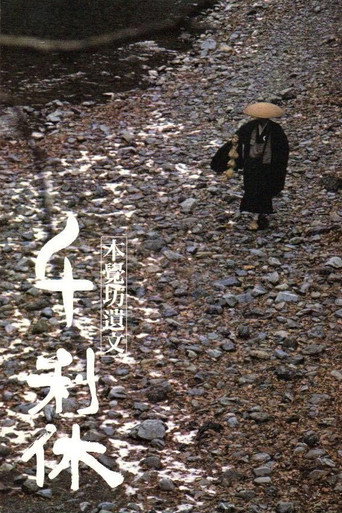
Death of a Tea Master
Years after the death of legendary tea master Rikyu, his disciple Honkakubo attempts to resolve the mystery of the master's death.

The Long Darkness
The relationship between Tetsuro, a university student from a disgraced, burdened family, and Shino, a waitress supporting her impoverished relatives. The couple decides to marry despite the significant emotional and social hardships each faces, viewing their love as a means to overcome the shame and despair inherited from their pasts.
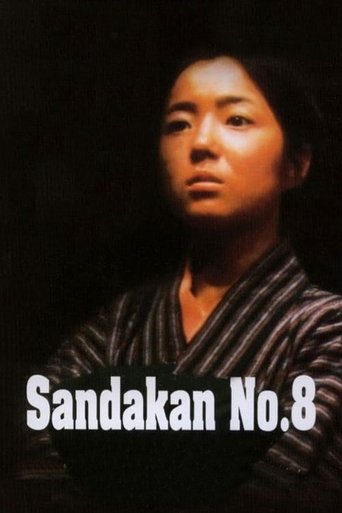
Sandakan No. 8
A young journalist interviews an elderly woman about being forced into prostitution in Borneo at a brothel called Sandakan No. 8.
Sandakan No. 8
A young journalist interviews an elderly woman about being forced into prostitution in Borneo at a brothel called Sandakan No. 8.
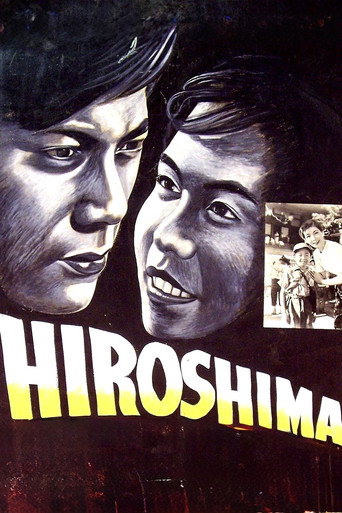
Hiroshima
Historical fiction about the aftermath of the atomic bombing of Hiroshima, Japan, on 6 August 1945, and its effects on various civilians, especially children, of that city.
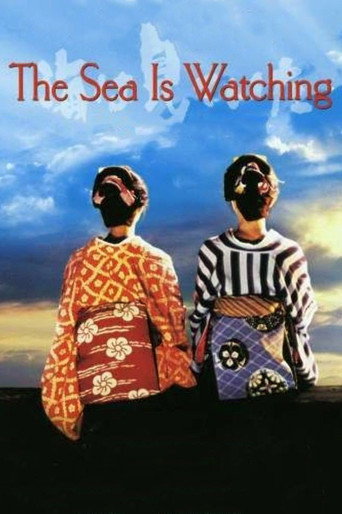
The Sea Is Watching
O-Shin is a young brothel worker who, one night, helps a young samurai escape from his pursuers. Against the warnings of her fellow workers, particularly Kikuno and the brothel's owner, O-Shin falls in love with the samurai.

Deep River
A group of Japanese tourists try to forget their pasts and find themselves in India.

To Love
Mitsu works in a factory and has a crush on Tsutomu, a young man she met on the Tokyo streets. One day the two go out, and after some deception, Tsutomu manages to have his way with her. Coming from a broken home, he is frightened by love, so he cruelly allows her to wake up alone. A month passes and a more grown-up Tsutomu returns. The lovers joyously reunite and move in together. All is blissful until both notice a strange sore on Mitsu's arm. The doctors diagnose it as leprosy. Without telling Tsutomu, Mitsu checks into a leper sanitarium. Hanging out with society's pariahs gives her much insight. She discovers the old lepers to be wonderful people. In turn, Mitsu becomes their source of joy and renewed hope. Still, she misses her Tsutomu. One day, the doctors inform her that they erred and that the sore is not leprosy. Happily she heads back to her true love until she realizes with a guilty pang that to return to him would mean unhappiness for her newfound friends
To Love
Mitsu works in a factory and has a crush on Tsutomu, a young man she met on the Tokyo streets. One day the two go out, and after some deception, Tsutomu manages to have his way with her. Coming from a broken home, he is frightened by love, so he cruelly allows her to wake up alone. A month passes and a more grown-up Tsutomu returns. The lovers joyously reunite and move in together. All is blissful until both notice a strange sore on Mitsu's arm. The doctors diagnose it as leprosy. Without telling Tsutomu, Mitsu checks into a leper sanitarium. Hanging out with society's pariahs gives her much insight. She discovers the old lepers to be wonderful people. In turn, Mitsu becomes their source of joy and renewed hope. Still, she misses her Tsutomu. One day, the doctors inform her that they erred and that the sore is not leprosy. Happily she heads back to her true love until she realizes with a guilty pang that to return to him would mean unhappiness for her newfound friends
Gallery