Production
No biography available.
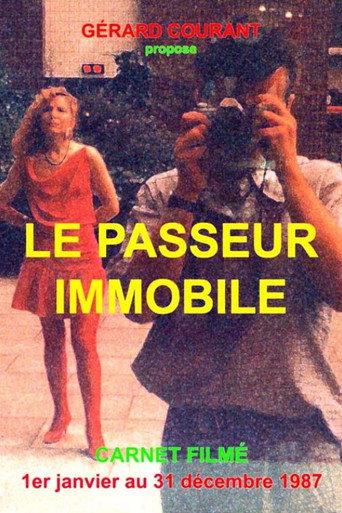
Le Passeur immobile, which covers the year 1987, is a Booklet filmed stuck between The Days and the Nights (1986) and The Artifice and the Fake (1988). These Notebooks have been punctuating my activity as a filmmaker for about fifteen years. They are like a life parallel to my other films and film series (Cinema, Group Portrait, Read, etc.). They are also like a letter to the spectators.
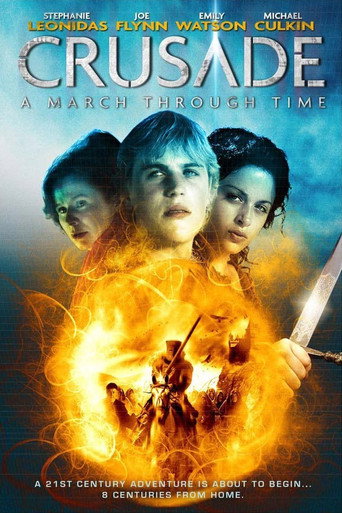
Dolf a 15 year old boy is sent back in time by a timemachine. Accidentally he is sent back to the Middle Ages. He is rescued by children who are part of a childrens' crusade, on their way to rescue Jeruzalem. During the trip Dolf finds out the danger is not coming from outside the crusade, but from within.
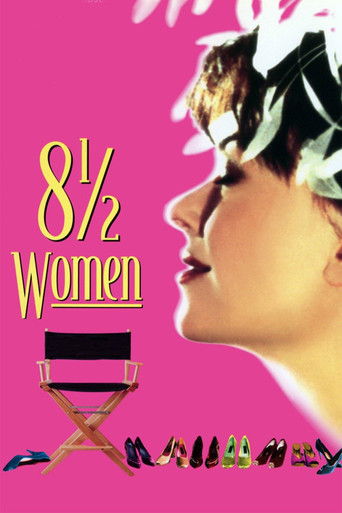
After his wife dies, middle-aged businessman Philip Emmenthal, at the prompting of his playboy son Storey, populates his Geneva villa with eight-and-a-half concubines. Three are from Kyoto, where Storey manages Pachinco palaces. Each has a distinctive personality: a nun, a child bearer, a gambler, a student of Kabuki, a horsewoman with a pet pig, a maid. As a year passes, the women begin asserting their own power.
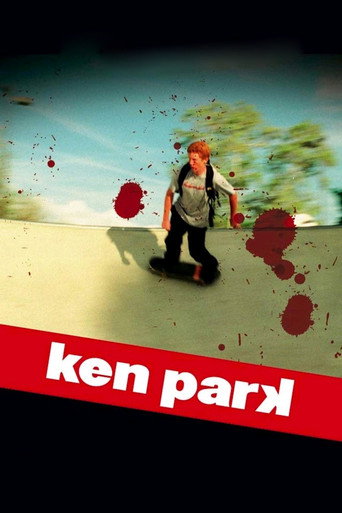
Teen skater Ken Park (nicknamed Krap Nek; his name spelled and pronounced backward) kills himself at a Visalia skate park; his death bookends the lives of four other young people who knew him: Shawn, the most conventional; Tate brims with psychotic rage; Claude is habitually harassed by his brutish father and coddled, rather uncomfortably, by his enormously pregnant mother; and Peaches looks after her devoutly religious father, but yearns for freedom. They're all rather tight, or so they claim.
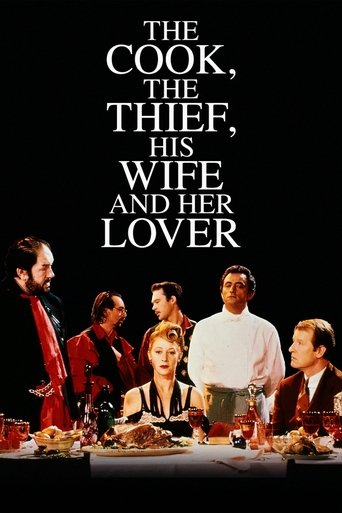
When churlish mobster Albert Spica acquires an upscale French restaurant in London, he dines there nightly, effectively scaring off the clientele with his bad manners. His wife, Georgina, is especially disgusted by him, and soon begins an affair with regular guest Michael. Despite their best efforts to keep it secret, Spica learns about their trysts, and he plots a terrible revenge.
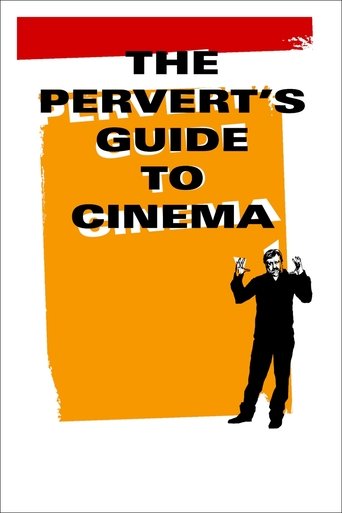
A hilarious introduction, using as examples some of the best films ever made, to some of Slovenian philosopher and psychoanalyst Slavoj Žižek's most exciting ideas on personal subjectivity, fantasy and reality, desire and sexuality.
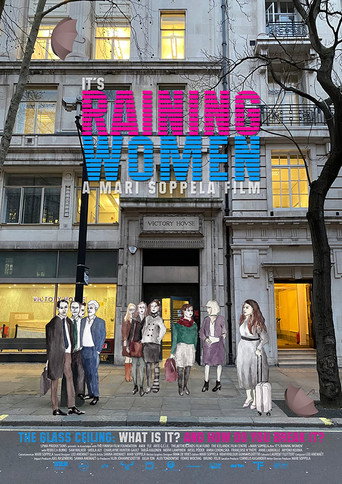
The documentary by Mari Soppela focuses on glass ceilings, a metaphor for the invisible borders between men and women in work life. Talk about glass ceilings is usually associated with women’s opportunities to advance to well paid managerial positions, but the documentary connects itself more broadly to the structural problems of work life from women’s perspective. Glass ceilings are long trials about equal pay, having to continually prove one’s skills, and 85-cent euros. The topic cannot be handled without intersectional crossings: what are invisible glass ceilings for some, are solid concrete for others.
Dutch painter Hieronymus Bosch prophesies the events of 1492, the start of the modern world.
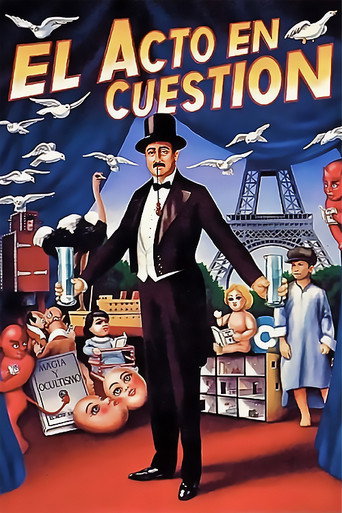
Miguel steals a trick from a magic book and becomes a world-renowned magician. However, the idea of the public discovering that this great trick is plagiarized from a book eats at his mind more and more.
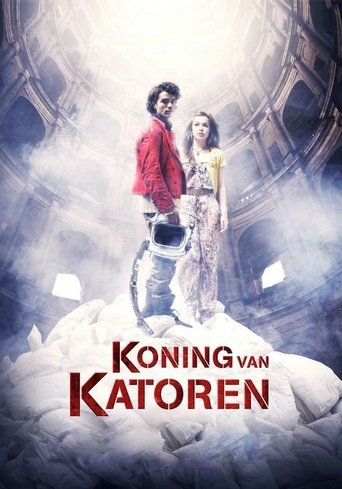
The seventeen year old Stach is faced with five impossible assignments he has to complete in order to become king. Things do not go as easily as the boisterous Stach had expected, especially when he is confronted with matters of life and death.
Ernst, a man in his thirties has lost his memory after an accident. His parents see this situation as another chance to raise Ernst into a perfect son, and enlist the help of a psychiatrist, a priest and an ideal daughter-in-law to be.