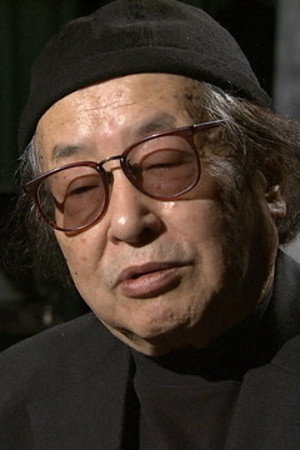
Kazuo Kuroki Movies, TV Shows, and Filmography
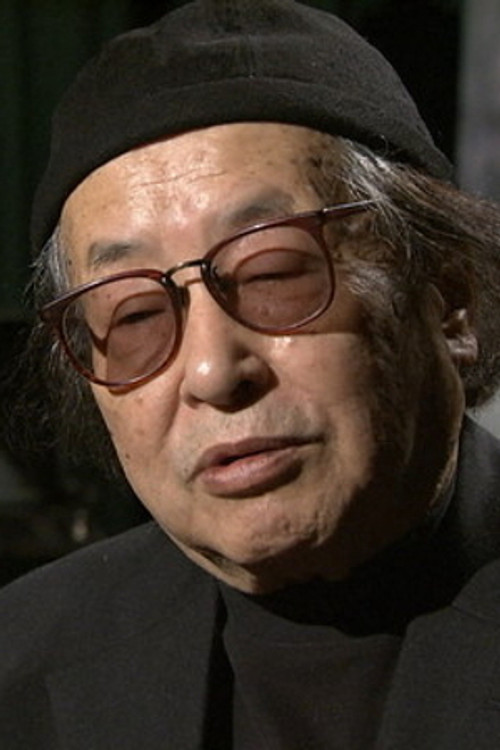
Kazuo Kuroki
Directing
Biography
Kazuo Kuroki (黒木和雄 Kuroki Kazuo) was a Japanese film director who was particularly known for his films on World War II and the question of personal guilt. He attended Doshisha University, but left before graduating, instead finding employment at Iwanami Productions. There he directed PR films and documentary films, while also participating in the "Blue Group" (Ao no kai) with other Iwanami filmmakers such as Noriaki Tsuchimoto, Shinsuke Ogawa, and Yōichi Higashi, a group that was exploring new paths in documentary. Kuroki left Iwanami after experiencing conflicts with the sponsors of Hokkaido, My Love (1960). With Record of a Marathon Runner (1964) that helped spark changes in the Japanese documentary world. Kuroki switched to fiction film, independently producing Silence Has No Wings (1966) and showing it at the Art Theatre Guild. He became one of the representative figures of ATG and independent Japanese cinema, and was particularly known for a series of works dealing with the atomic bombings of Japan, such as Tomorrow (1988) and The Face of Jizo (2004). These were in part spurred by his growing up near the city of Nagasaki. Kuroki's work also dealt with his own feelings of guilt from the war, as he felt responsible when some of his fellow students, who had been conscripted to work in a local factory, died in Allied bombings and he did not help
Filmography Movies
Production
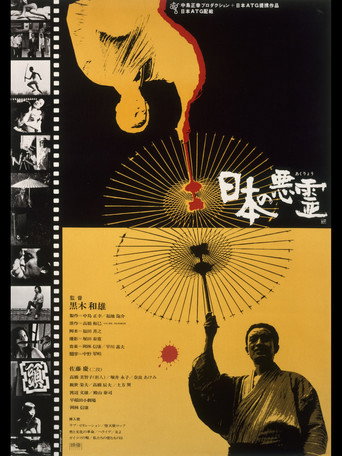
Evil Spirits of Japan
Murase is a bodyguard of yakuza group. Ochiai is a police officer who once was a student activist. When they meet, they are surprised how identical they look.
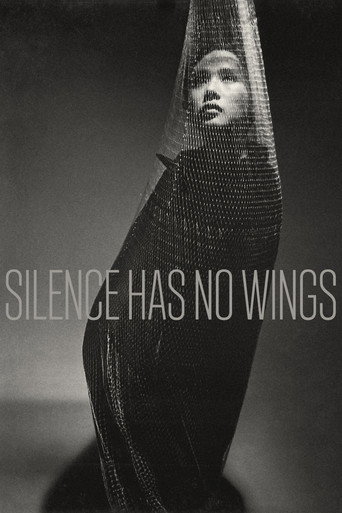
Silence Has No Wings
After a young boy captures a rare butterfly in Nagasaki, a caterpillar begins a relay-trip toward the northern tip of Hokkaido, serving as a silent witness to a series of vignettes featuring people struggling with the psychological and social scars of post-war Japan.
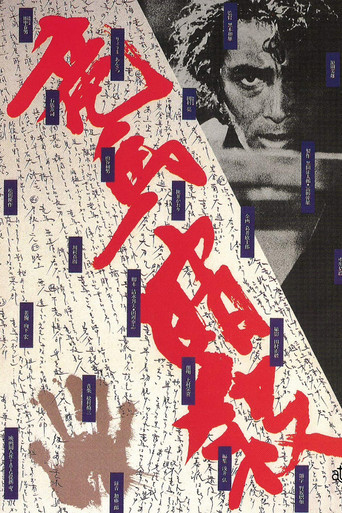
The Assassination of Ryoma
Story of the last three days in the life of Sakamoto Ryoma (1836-1867), the imperial loyalist who tried to unite the Choshu and Satsuma clans and prepared the way for the Meiji Restoration (1868).
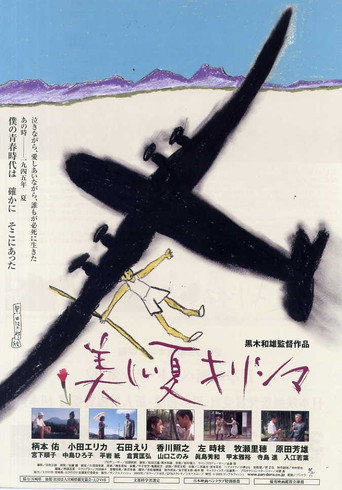
A Boy's Summer in 1945
Commencing well-respected Nippon director Kazuo Kuroki's sixth decade behind the camera, "A Boy's Summer in 1945" (literally "A Beautiful Summer in Kirishima") is a lyric, novelistic drama set in the countryside in the last days before Japan's surrender ending WWII. Striking a welcome retro note in its languid pacing and delicate handling of seriocomic ensemble threads, handsome production is a natural for fests. It might also prove a cornerstone for retrospectives or ancillary releases of works by a helmer ("Preparation of the Festival," "Ronin-gai") who's long been appreciated at home but has won just limited attention abroad.
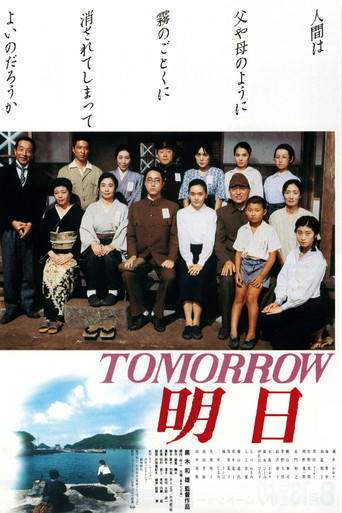
Tomorrow
On August 9, 1945, the Americans dropped an atomic bomb on Nagasaki. This film, based on a story by Mitsukaru Inoue, describes the daily life of people in Nagasaki the day before that fateful event. It presents the human drama of people's lives, and their feelings of joy and sadness. These include a newlywed couple, an expectant mother, and lovers who must say farewell because the boy is called to serve in the army. Each of these people, like others in the city, hoped to live with their dreams for ‘tomorrow’. But tomorrow never comes for them, as their lives are brought to an abrupt and unexpected end. Knowing how the story ends, in this case, doesn't detract from it at all; rather, it enhances the emotional impact, which is further heightened by the poignant musical score from Teizo Matsumura. 'Ashita' is the first film in Kazuo Kuroki's 'War Requiem Trilogy,' which also includes 'Utsukushii Natsu Kirishima' (2002) and 'Chichi to Kuraseba' (2004).
Tomorrow
On August 9, 1945, the Americans dropped an atomic bomb on Nagasaki. This film, based on a story by Mitsukaru Inoue, describes the daily life of people in Nagasaki the day before that fateful event. It presents the human drama of people's lives, and their feelings of joy and sadness. These include a newlywed couple, an expectant mother, and lovers who must say farewell because the boy is called to serve in the army. Each of these people, like others in the city, hoped to live with their dreams for ‘tomorrow’. But tomorrow never comes for them, as their lives are brought to an abrupt and unexpected end. Knowing how the story ends, in this case, doesn't detract from it at all; rather, it enhances the emotional impact, which is further heightened by the poignant musical score from Teizo Matsumura. 'Ashita' is the first film in Kazuo Kuroki's 'War Requiem Trilogy,' which also includes 'Utsukushii Natsu Kirishima' (2002) and 'Chichi to Kuraseba' (2004).
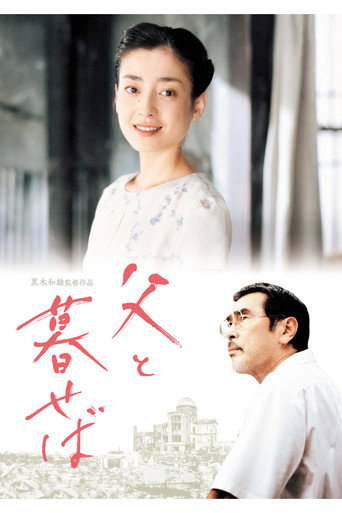
The Face of Jizo
Based on a play by Hisashi Inoue, it focuses on the sufferings of the survivors of Hiroshima. The film takes place during 4 days in the summer of 1948, as the ghost of her father visits Mitsué (Rié Miyama). He had somehow learned that she has fallen in love, and tries to convince her to start her new life. But Mitsué obstinately refuses his warm and humorous encouragements : « People were killed in my place. I do not have the right to find happiness », she says.
A Boy's Summer in 1945
Commencing well-respected Nippon director Kazuo Kuroki's sixth decade behind the camera, "A Boy's Summer in 1945" (literally "A Beautiful Summer in Kirishima") is a lyric, novelistic drama set in the countryside in the last days before Japan's surrender ending WWII. Striking a welcome retro note in its languid pacing and delicate handling of seriocomic ensemble threads, handsome production is a natural for fests. It might also prove a cornerstone for retrospectives or ancillary releases of works by a helmer ("Preparation of the Festival," "Ronin-gai") who's long been appreciated at home but has won just limited attention abroad.
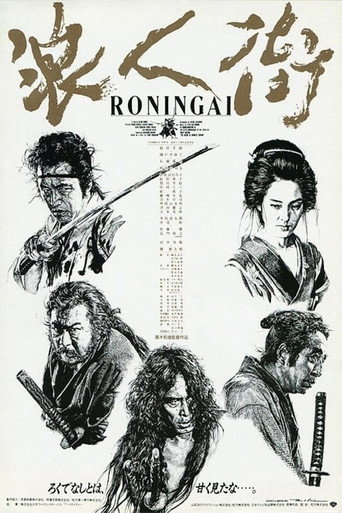
Ronin-gai
Near the end of Japanese civil war, several disgraced ronin living in Edo's red light district attempt to regain their honor by defending a brothel from a hostile militia bent on wiping out local prostitutes.
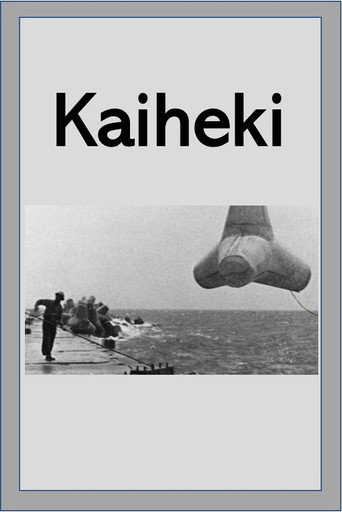
The Sea Wall
From the opening sequence, combining underwater and aerial footage, this masterpiece about the construction of a steam-power plant in Kurihama (south of Tokyo) far surpasses the limitations of the promotional film genre, and emerges as one of the most staggering sensory experiences in Japanese documentary.
Gallery