Acting
No biography available.
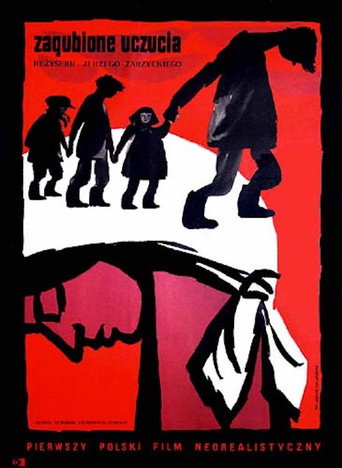
One day in the miserable life of a female factory worker and single mother of four children. One of her sons - ridiculed by his peers - leaves home and gets into trouble.
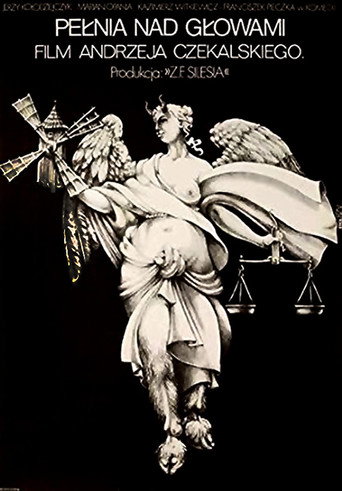
Set in the 1960s, in a small town in Poland. After the destruction of an old mill, an impersonated devil appears in its place. The local leader and priest try to make him go away by different ways.
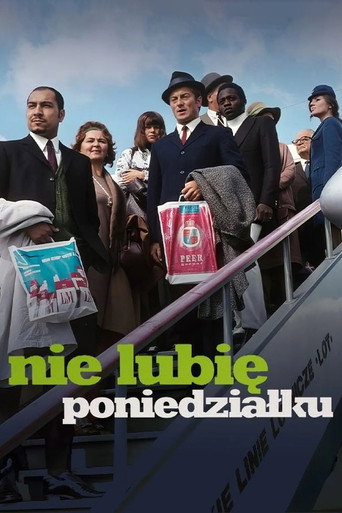
An acute case of Mondayitis in Warsaw. Interwoven stories of a few inhabitants of Warsaw, including one very unlucky Italian on a governmental mission and a charitable Polish American.
Unconventional pedagogical methods of a new teacher raise concerns of the provincial school's principal.
The film, which is a reconstruction of the life and work of Stanisław Ignacy Witkiewicz, known under the pseudonym Witkacy, was produced especially on the occasion of the artist's 100th birthday. Witkacy is one of the outstanding European artists of the early twentieth century. Author of many short stories and plays translated into eighteen languages. Author of his own philosophical system, art theorist, painter of Formist paintings and portraits, a man who left behind a legend of a unique personality.
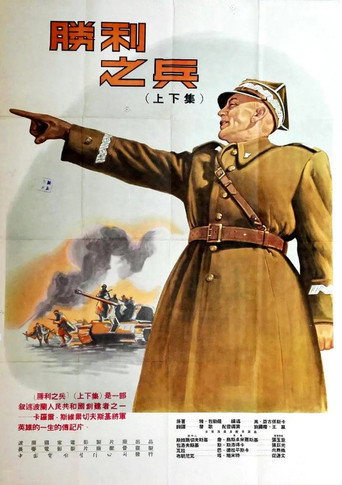
Two-part biopic about General Karol Świerczewski, living embodiment of the party line, and the group of party members from his hometown fighting the fascist forces towards the socialist state of affairs.
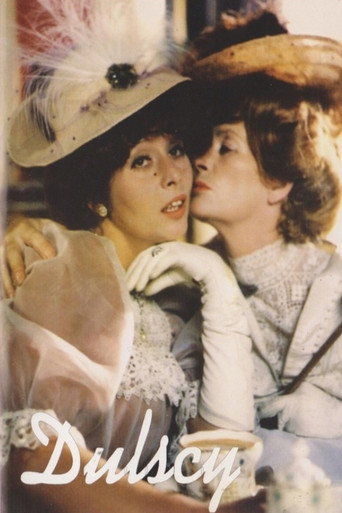
Set at the end of the XIX-th century. Madame Dulska is the sole and absolute ruler of her house in Cracow. She is ruthless, greedy and oversensitive of the reputation of her family. To protect his son from temptations she overlooks the affair he is having with the maid. Young Dulski first wants to marry the girl, but then yields to his mother demands and turns his interest to a cousin. Everything returns to normal: his father has his habitaul visits to a brothel, his son to a cabaret and Madame Dulska safeguards her reign.
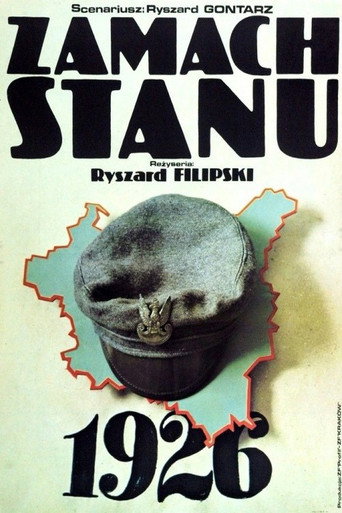
Fall 1925. Six hundred officers demonstrate in front of Józef Piłsudski’s country house in Sulejówek, demanding the Marshal’s return to active political life. May 1926—a government crisis; Wincenty Witos forms a new government. Piłsudski’s move sparks clashes between supporters and opponents of the ousted government. Piłsudski appoints Kazimierz Bartel as prime minister. The beginning of the “moral reform.” Ignacy Mościcki becomes president. Summer 1930. A joint platform of opponents to the Sanacja government is formed. “Centrolew” is established.
An ordinary man has to do constant favors for other people in order to reserve a place for himself in a queue.
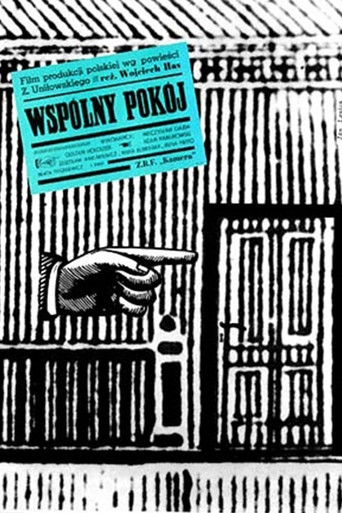
A subjective adaptation of a well-known autobiographical novel by Zbigniew Unilowski (screenplay by Wojciech Jerzy Has with dialogues by Stanislaw Dygat). The adventures of the tenants of a sublet room in a Warsaw townhouse inhabited mostly by students and novice writers, presented against the social context of the 1930s.