Kazimierz Kutz Movies, TV Shows, and Filmography
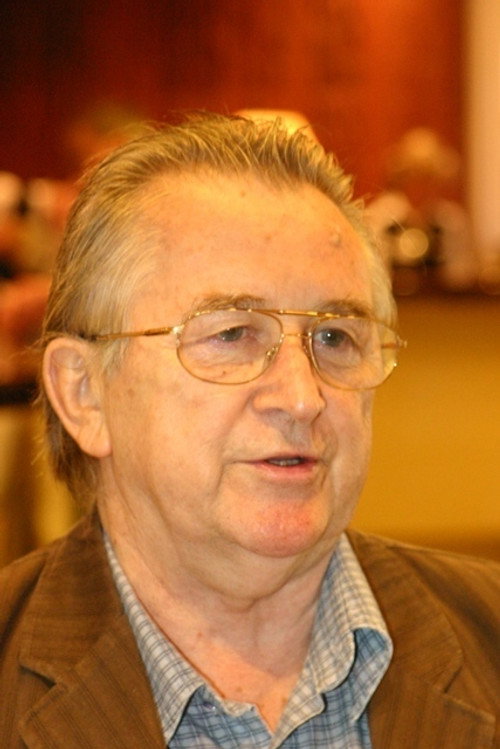
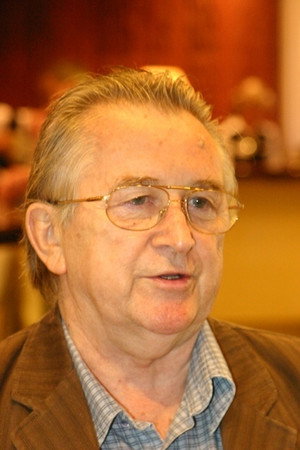
Kazimierz Kutz
Directing
Biography
Kazimierz Kutz was born February 16, 1929, in Szopienice, since 1960 district of Katowice, to a railway worker and a former partisan of the Silesian Uprisings. After the World War II Kutz graduated from gymnasium in Mysłowice and in 1949 was admitted to the Łódź Film School. After finishing his studies in 1954 he started working as an assistant to Andrzej Wajda. His film debut was Cross of Valor (1959). Since then he finished more than 20 pictures, including six about his home region - Silesia. He is also famous for directing theatre plays on some of the most prominent scenes of Poland, including the Teatr Stary in Kraków and National Theatre in Warsaw, as well as several plays for the Polish television. In 1972, he founded the Silesia Film Company in Katowice and, until 1978, was its Artistic Director. In the 1970s he became the main director of the Polish Television branch in Katowice. He was also working for several branch and cultural organisations. After the Martial Law had been imposed in Poland in 1981 Kutz was interned by the communist authorities, but was released soon afterwards. Between 1981 and 1983, lectured in the Radio and Television Faculty at Silesian University in Katowice, and, between 1985 and 1991, taught directing at the Higher Theatre School in Kraków. Since 1987, was Principal Director in the Polish Television Centre in Katowice and, between 1990 and 1991, headed the Centre. After the peaceful transition to democracy in 1989 Kutz became the head of the Polish TV branch in Kraków (until 1991). For his involvement in the matters of Silesia, and for his films depicting the traditions and problems of that part of Poland, he is considered by some the spokesman of all Silesians. In a plebiscite organised by Gazeta Wyborcza newspaper he was chosen the third most famous Silesian ever and the first among the living people. In 1997 he was awarded with the title of doctor honoris causa by the University of Opole. He is currently a promotor and patron of several Silesia-based cultural feasts and societies, including the Festiwal Filmów Kultowych, Festiwal Sztuki Reżyserskiej, Cultural Congress of the Upper Silesia, Council of Culture of the Silesian Voivodship, Academy of Fine Arts in Katowice and Committee for the Construction of Silesian Museum. He is also one of the supporters of development of the Silesian language. His 1995 film Reverted was entered into the 19th Moscow International Film Festival. In 1997 Kutz took part in the elections to the Senate of Poland (from the list of Freedom Union party, Katowice constituency) and was supported by approximately 500,000 Silesians. In 2001 he was elected for his second term as a non-partisan candidate, and in 2005 re-elected for the third term. Currently he is the deputy speaker of the Senate of Poland. For his social involvements, he was awarded with many of the highest Polish awards. Kazimierz Kutz is married to Iwona and has two sons (Gabriel and Tymek) and two daughters (Wiktoria and Kamila). From Wikipedia, the free encyclopedia
Filmography Movies
Acting
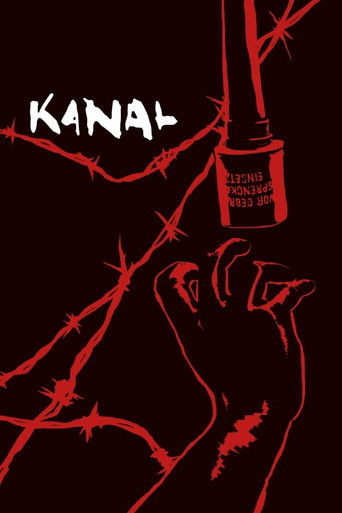
Kanal
In the last few days of the Warsaw Uprising during World War II, a modest group of Resistance members remains. The band must take refuge in the sewers under the orders of leader Zadra, but it's only a matter of time before they will have to emerge. However, when they try, they are met only with intense hostility from the Nazis. Despite their attempts stay resolute through immense mental strain, it becomes increasingly apparent that they may be doomed.
Description Found Years Later
A multi-dimensional portrait of one of the most distinctive artists in the history of Polish cinematography. Wojciech Jerzy Has always hovered over the line where the mainstream met the avant-garde and his biography was marked by moments of artistic triumphs and personal tragedies.
I Have Lived Seventeen Times
The main character of "Żyłem siedemnaście razy" reflects on his childhood in Gwoździec and tells a story about the beginning of his career as a filmmaker.
Tren na śmierć cenzora
The film reveals the mechanisms of the communist institution of censorship. Famous filmmakers - Kazimierz Kutz, Andrzej Wajda, Krzysztof Kieslowski, Filip Bajon and Marcel Lozinski - talk about their contacts and experiences with censors, how their films were censored, what parts were considered contrary to the ideology of the socialist state. These interferences were often of an absurd nature. At the same time, the filmmakers mention how much of the intended content they managed to smuggle out. The film is also an attempt to analyze and summarize the role of censorship in a totalitarian state and its impact on culture and art.
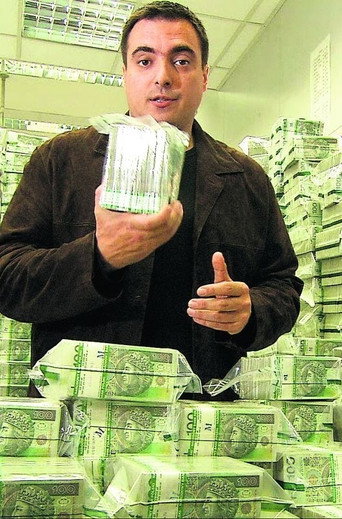
Puppet Masters
Unfulfilled promises of politicians, victims of the system, backstage of election campaign.
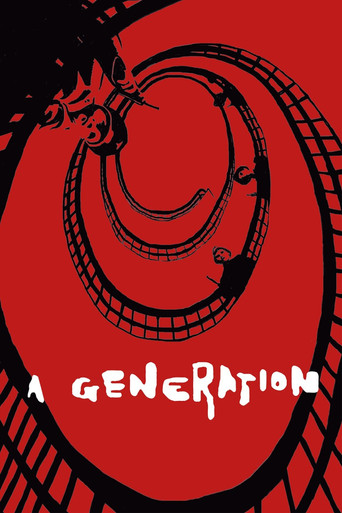
A Generation
Stach is a wayward teen living in squalor on the outskirts of Nazi-occupied Warsaw. Guided by an avuncular Communist organizer, he is introduced to the underground resistance—and to the beautiful Dorota. Soon he is engaged in dangerous efforts to fight oppression and indignity, maturing as he assumes responsibility for others’ lives. A coming-of-age story of survival and shattering loss, A Generation delivers a brutal portrait of the human cost of war.
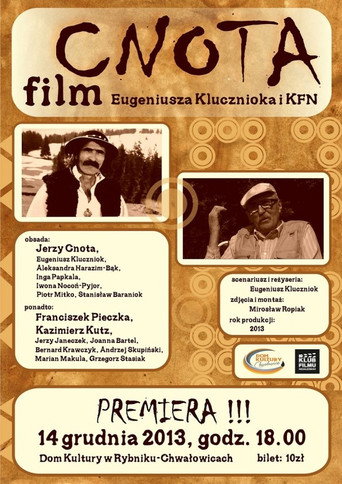
Polish School
The documentary talks about the origins, development and achievements of the Polish film school. People from the environment of the "Filmówka" in Łódź, among others. Wanda Jakubowska, Jerzy Kawalerowicz, Antoni Bohdziewicz, Janusz Morgenstern or Kazimierz Kutz. The film is richly illustrated with archival materials and the first films of the school. The beginnings of the Łódź Film Festival begin in Krakow with the Young Film Workshop; On May 6, 1945, at Józefitów 16 production facility of the Polish Film Production Company, an inaugural meeting is held. After numerous transformations, in July 1946 the Young Film Workshop and the Film Training Course began activities, which can be considered as the beginning of state film education in post-war Poland. The later fate of the school is already connected with Łódź; July 16, 1948, the act of establishing the Film School was signed.
Production
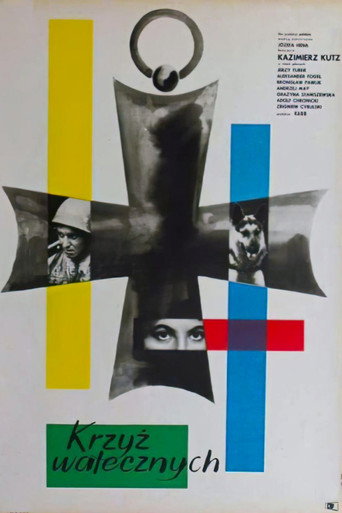
Cross of Valor
Three episodes showing the repercussions of war. A soldier is awarded with the Cross of Valor and vacation to home. But instead of his village, he finds only the charred ruins. A stray dog turns out to be the former guard at Auschwitz. A young widow is hailed as the wife of the hero but dreams of something else.
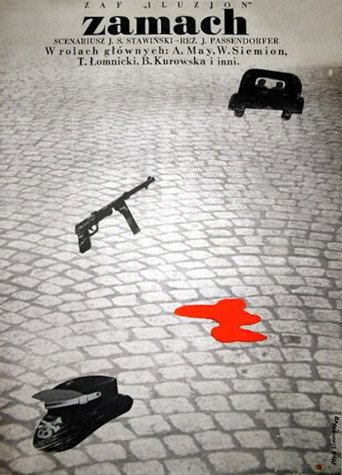
The Attempt
Set in the occupied Warsaw, the film tells the story of the mission carried out by the student underground resistance group to execute the hated SS General Franz Kutchera.
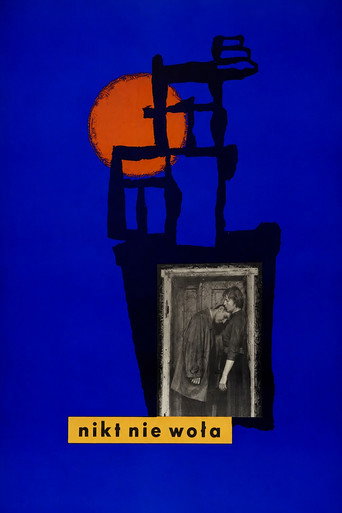
Nobody's Calling
Shortly after World War 2 a young man arrives on the Recovered Territories and starts a romance with a young woman, all the while evading the ghosts of his past.
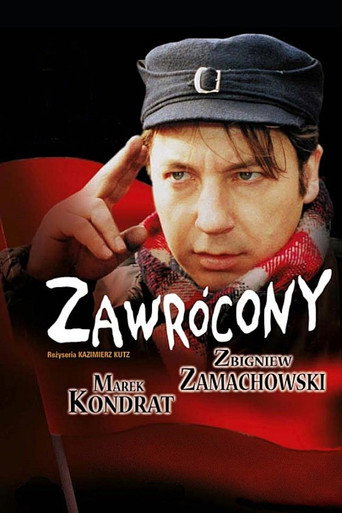
Reverted
Young democracy activist is being chased by police in a very funny way.
Reverted
Young democracy activist is being chased by police in a very funny way.
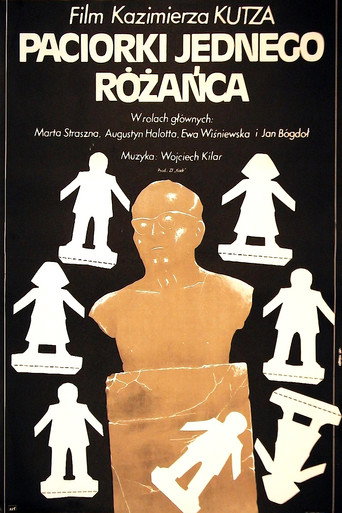
The Beads of One Rosary
The crusty hero, Habryka, is an old miner who has won many worker medals and is now retired with his youngest son and latter's family living with him. To build new apartment buildings, the old houses are being bought out, the residents given apartments in the new houses, and being cleared away. But Habryka refuses to sell.
The Beads of One Rosary
The crusty hero, Habryka, is an old miner who has won many worker medals and is now retired with his youngest son and latter's family living with him. To build new apartment buildings, the old houses are being bought out, the residents given apartments in the new houses, and being cleared away. But Habryka refuses to sell.
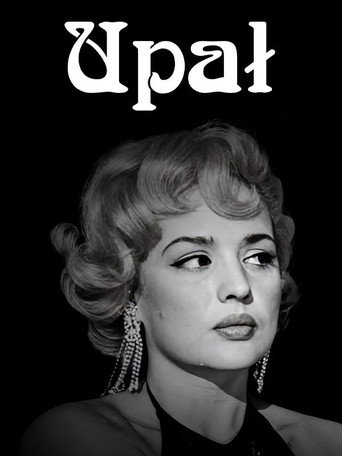
Heat
Two Elderly Men are asked by the Prime Minister to take care of the city for one day. During this time, they have to deal with the heat, a diplomatic conflict, a love rivalry, and a lack of water. They do it in their style – with a song.
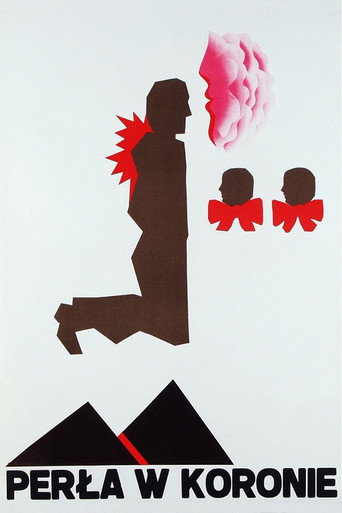
Pearl in the Crown
When it is discovered that the Zygmunt mine in Upper Silesia has been deemed unprofitable and is to be closed by flooding, the miners go on strike and a violent demonstration ensues.
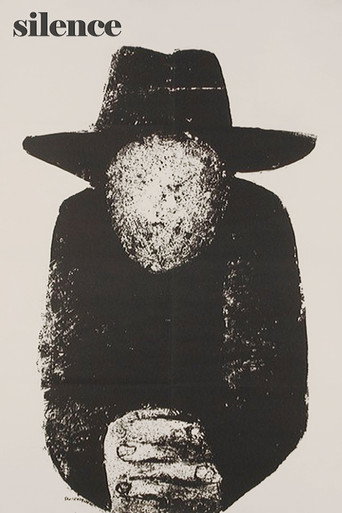
Silence
Set in a small Polish town just after the war, the story of an unruly teenager who constantly taunts the old priest. One day the youth has a horrible accident, which the villagers call divine punishment.
Gallery