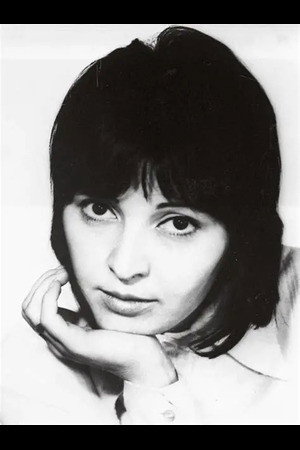
Katya Paskaleva Movies, TV Shows, and Filmography
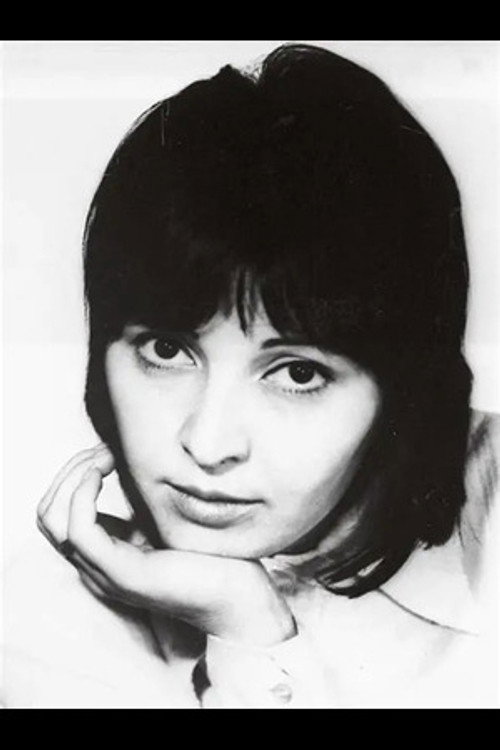
Katya Paskaleva
Acting
Biography
From Wikipedia Katya Paskaleva (Bulgarian: Катя Паскалева) was a Bulgarian film and stage actress, born in 1945, deceased in 2002. She is best known for her performance as Maria in the Bulgarian film classic The Goat Horn (1972), for which she gained a broad critical acclaim. Paskaleva is also known for her roles in the films The End of the Song (1971), Villa Zone (1975), Matriarchy (1977), Elegy (1982), Eve on the Third Floor (1987) as well as her numerous notable appearances on the stages of the Sofia Municipal Theatre and the Satirical Theatre “Aleko Konstantinov”.
Filmography Movies
Acting
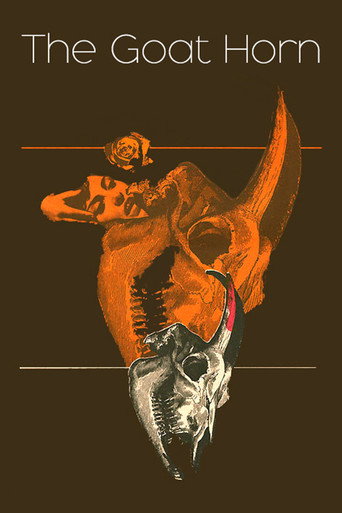
The Goat Horn
XVII century, Bulgaria is under Ottoman rule. Four men break into the house of the shepherd Karaivan, raping and killing his wife in full view of their child, Maria. To protect his daughter and to enact revenge, he raises Maria as a son, teaching her to fight and kill. But as Maria grows up, she longs for a different life.
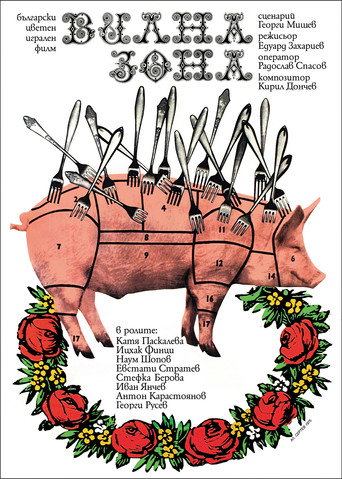
Villa Zone
A common Bulgarian family spends a warm afternoon in the fall in a country house. The preparations for a dinner party are in full swing. The formal reason is that the son enlists in the Army and the real reason is to arrange a match between him and the daughter of the boss. All the schemes are frustrated as it turns out that the boy has already married another girl. Both the hosts and the guests lose control, unleashing a consecution of tragic or comic situations.
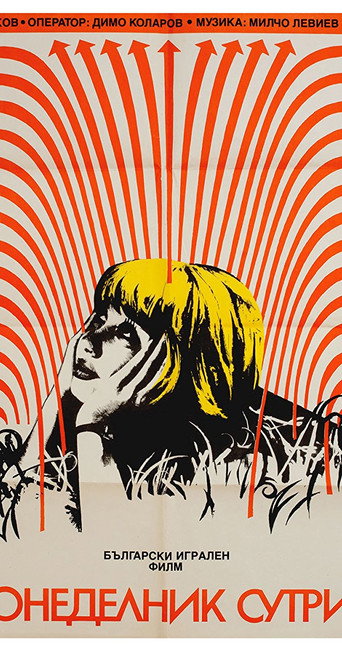
Monday Morning
Frivolous girl falls in love with a young construction worker. He trusts her and decides to include her in his team of workers. In the beginning, she is happy, but soon starts to feel the tensions between the people in the team. Hypocrisy and demagogy fill her with indignation and she does not keep silent about the shortcomings and mistakes of her colleagues. Gradually, her superiors become uneasy about her and the girl has to go. Her boyfriend offers her marriage, but she decides to take her own path and lead a worthy life. The movie was shot in 1966 but was censored by the communist government and released in theatres on 31st October 1988.
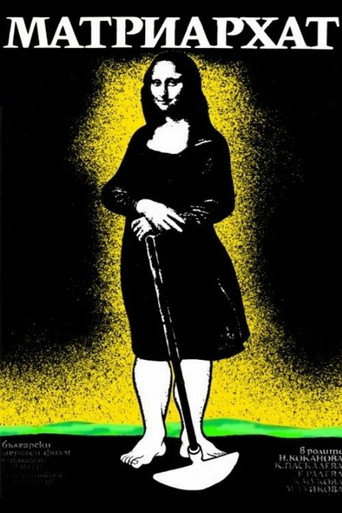
Matriarchy
The film belongs to the 'migration cycle' in the Bulgarian cinema. It is about the drama of a group of women who have been left alone in their 'female kingdom' - a village deserted by its entire men folk.
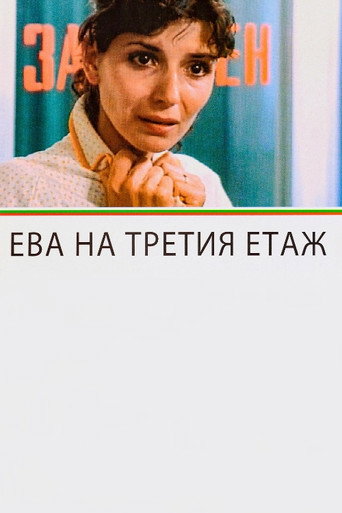
Eva on the Third Floor
Gynecology clinic in Sofia, Bulgaria. On one of the floors several women are waiting for their turn to get an abortion. And on the other floor, four older women struggle to preserve the life they carry. Toni must decide whether to give birth to a child who will not have a father.
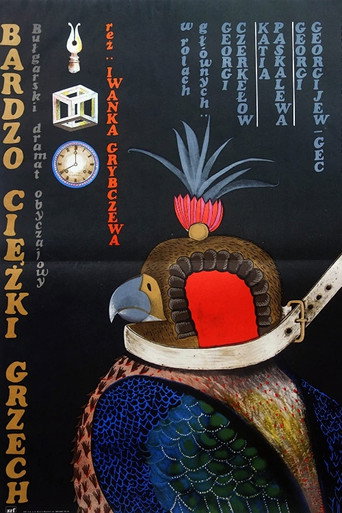
The Biggest Sin
In the last moments of his life, the writer turns over episodes from his past. He finds the cause of another death, ahead of the last breath.
Sunstroke
Near a large Bulgarian city begins the construction of a large factory. There is a fertile land in close by. Prof. Dimov, Director of the Environment Protection Institute has to submit his official approval for the civil works to begin. He and his co-worker Prof. Radev refuse.
Live Dangerously
Valeri is a senior in high school and a good athlete. He's very close to his father, but when his father suffers a fatal heart attack Valeri becomes convinced the doctor is to blame. He's set on revenge.
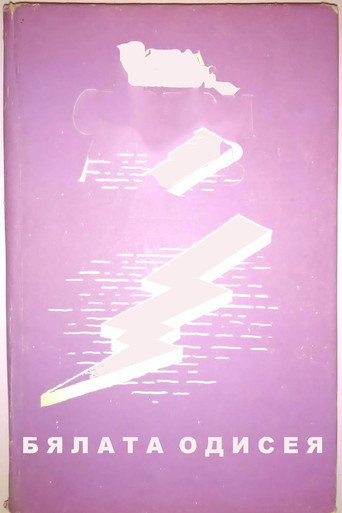
The White Odyssey
During World War 2, four soldiers are trapped between a harsh winter and the enemy. They need food and shelter, but this comes at the expense of their position. With no where else to turn, they begin an odyssey through the mountains.
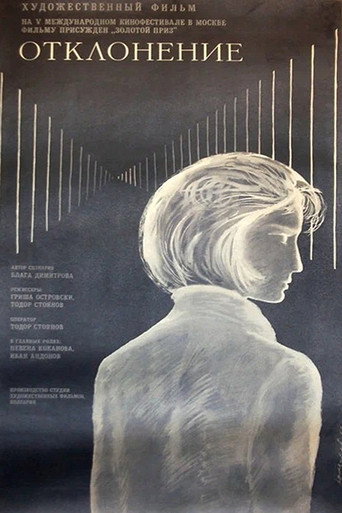
Detour
When a road construction detour forces former lovers Boyan and Neda to cross paths after seventeen years, they are compelled to spend a day traveling together toward Sofia. Their idealistic romance in the 1950s contrasts with their current lives as disillusioned, middle-aged professionals. As they talk, they confront the personal and social choices that led to their eventual separation.
Gallery