Katrin Välbe Movies, TV Shows, and Filmography
Katrin Välbe
Acting
Biography
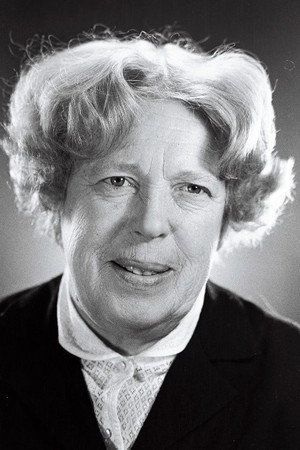
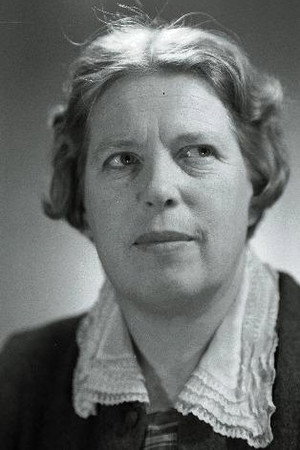
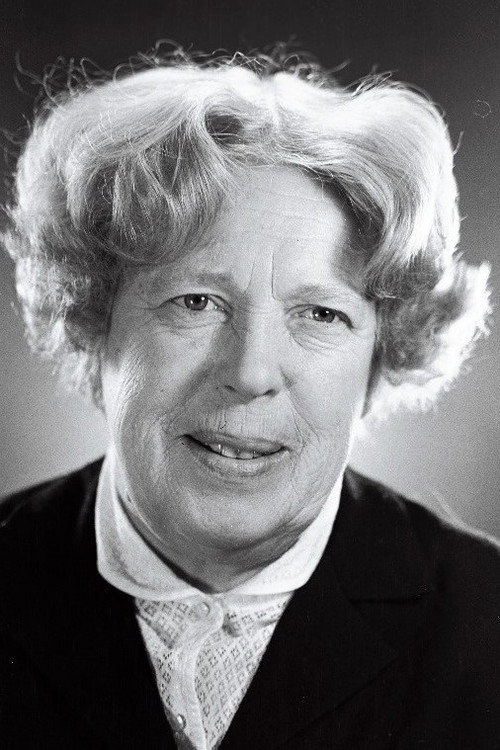
Katrin Välbe (until 1929 Jekaterina Poska; October 31, 1904 – July 5, 1981) was an Estonian actress. Katrin Välbe was born Jekaterina Poska in Võru to Gabriel and Lydia Poska. Her father was a lawyer and her uncles included statesman Jaan Poska, politician Mihkel Poska, and Estonian Apostolic Orthodox Church clergymen Nikolai and Paul Poska. After graduating from secondary school, she initially enrolled at the University of Tartu in 1922 to study medical sciences, leaving after one year. In 1930, she graduated from the Drama Theatre School in Tallinn, having studied under drama pedagogue Hilda Gleser. From 1931 until 1944, she worked at Tallinna Töölisteater, from 1945 until 1946 at Noorsooteater, 1946 until 1949 at Estonia Theatre, and from 1949 until 1951 and again from 1952 until 1971 at Estonian Drama Theatre. Besides theatrical roles, she also performed as a film actress beginning in the early 1950s, as well as appearing in radio plays and several television films. In 1958, Välbe was awarded as Meritorious Artist of the Estonian SSR.
Filmography Movies
Acting
Windy Beach
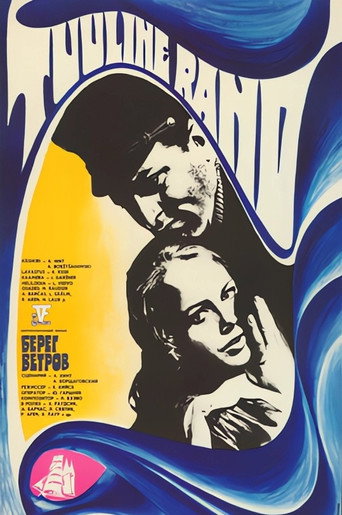
The coastal people of Kaugatoma set out to build their own ship to earn a living independent of the baron's will. The baron does everything to prevent the venture, but still "Kaugatoma" raises its white sails. Unfortunately, the power of money turns out to be decisive both in the organization of joint activities and in the relations of the strong-natured captain Tõnis Tihu with the community and his loved ones. He abandons Liisu, with whom he has a son, and marries a wealthy widow. As a captain, he has the power to look after the welfare of the sailors, but he thinks more about his own safety. However, the winds of 1905 are already blowing over the sea.
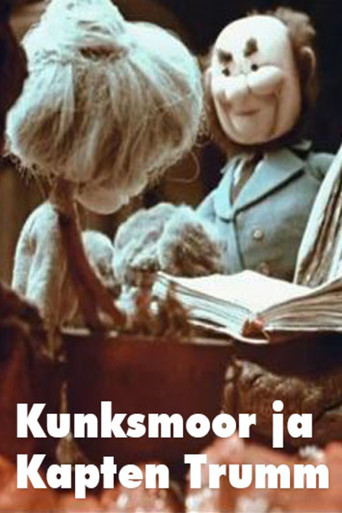
Bonycrone and Captain Drum
A story of the good witch Bonycrone living on an isolated island and her friend, a former sailor Captain Drum; and their adventures on the island, on the sea and in town.
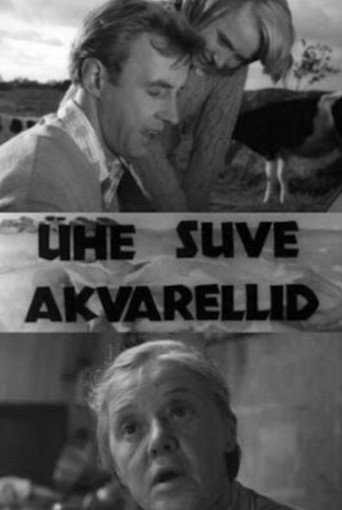
Watercolors of One Summer
The story of a young art student who goes to the countryside for a summer internship in watercolor and rents a room in a house by the sea. Conversations with an old housekeeper and meetings with an initially somewhat fussy and naive girl draw one summer in the life of a young man. Whether it's a girl's going to university, meetings with people from a beach village, or an old woman's reminiscences of past times, something about these topics has an enlightening effect on the young man. At the end of summer, a young man's eye and weather view is brighter and wider. It is a lyrical and tender story of the beginning of young love and the life experience of a fading Estonian generation.
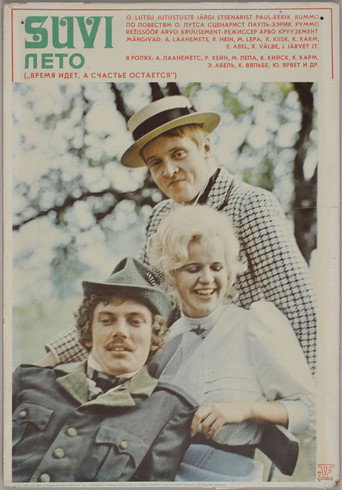
Summer
In the beginning of the 20th century, Joosep Toots has returned from Russia, where he learned agriculture. He wants to start reforming his father's farm, Ülesoo. At the same time, he's competing with Kiir to win the love of Teele. Teele has stated that she agrees to marry with a farmer only. So Kiir decides to go to Russia to learn agriculture too.
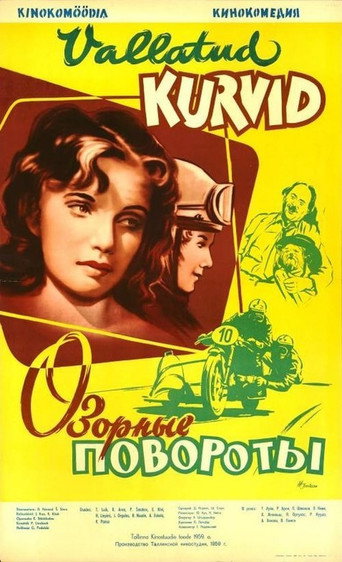
Naughty Curves
When Vaike, a student and athlete from Tartu, arrives to Pirita-Kose-Kloostrimetsa speedway, the bikes are already racing with dizzying speeds. The same dizzying adventures will be ahead, when Vaike meets multiple-times champion Raivo, who has been dizzied with sports progress and young ladies, and with champion candidate Heino, who helps Vaike to prepare for competition. Vaike cannot “hold her horses” alone and counts for her sister Maret, who also in past have had helped her out from similar difficult situations. But this time also comes into play Maret’s fresh husband Ants, who is convinced that he no more mix up the twin sisters.
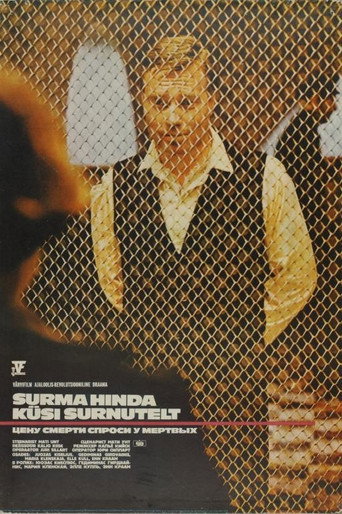
Ask the Dead About the Price of Death
The attempted coup of Estonia on Dec. 1, 1924, conducted by Comintern, staged by the Soviet Communists, failed and resulted in many lost lives on both sides. The Communists were forced underground.
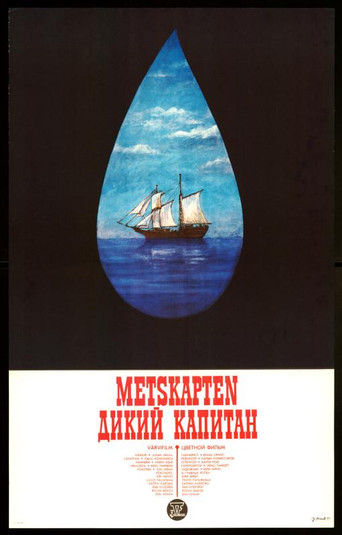
Forest Captain
Sailing to South America, the sailing ship "Fortuna" gets stuck in a calm in the middle of the Atlantic. Heat and thirst drive the team crazy, knives are already flashing and the wind is being conjured in the darkness of the night. Captain Kihnu Jõnn has to tame desperate men and trade with heavenly forces in order to bring the ship's crew to the destination port, who want to leave him there.
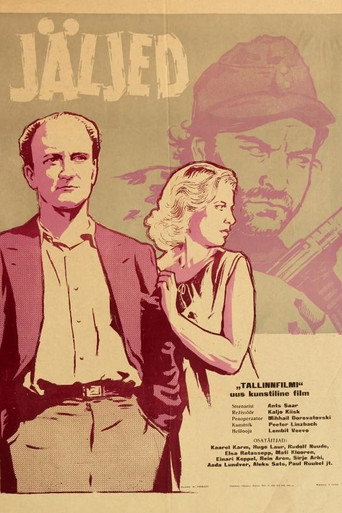
Traces
Heino Raagen and his war comrades begin a new battle while arriving at their home village - establishing a collective farm. The sufferings and fears of the war have exhausted people; nevertheless, they still stick together and protect their close ones. Heino's girlfriend Valve hides the plans of her brother Robert hiding in the forest from him; as a result, their relationship will fall apart. Life goes on, but disappointment and anger will take their toll even when years have gone by.

Kui saabub õhtu
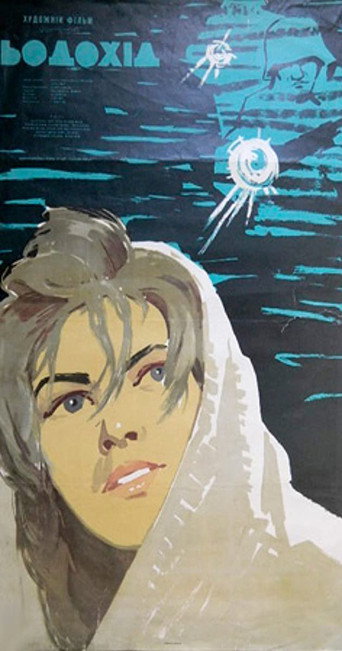
Ice Run
Two proud fisherman families live on a very small island in Estonia. The two fishermen have always bore a grudge against each other. Their stubbornness and disobedience to German occupiers leads to dramatic events where staying alive is worse than death. Since it is impossible to escape public contempt, they have to decide how to redeem themselves.
Gallery