Katja Schuurman Movies, TV Shows, and Filmography

Katja Schuurman
Acting
Biography
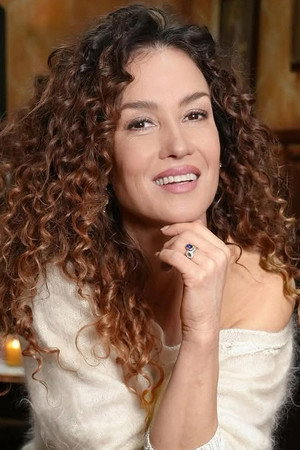
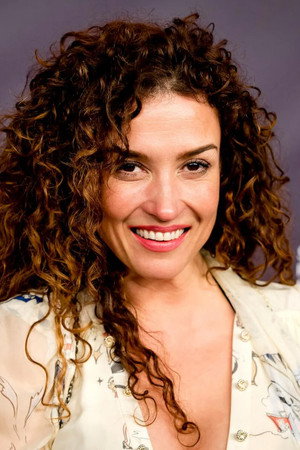
From Wikipedia, the free encyclopedia. Katja Schuurman (born February 19, 1975) is a Dutch actress, singer, television personality and occasional VJ. Description above from the Wikipedia article Katja Schuurman, licensed under CC-BY-SA, full list of contributors on Wikipedia.
Filmography Movies
Acting
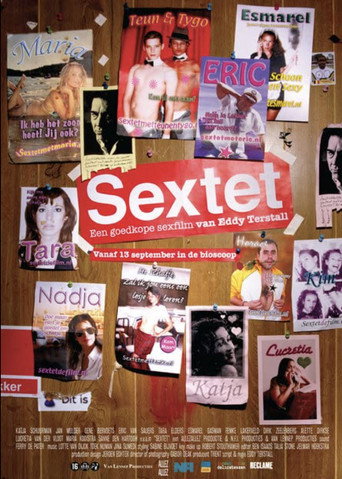
Sextet
Sextet is a film about love and relationships in Amsterdam. It features an ingeniously interwoven plot of several stories and characters. Together with the feature SIMON (2004) this one is part of Terstall's trilogy about the liberties of the present Dutch society.
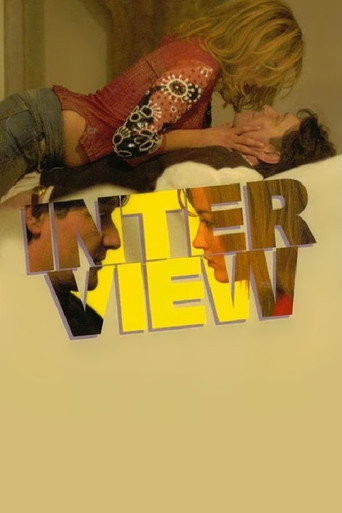
Interview
A middle-aged journalist interviews the real-life Dutch star Katja Schuurman, in her own loft. Pierre, the journalist is annoyed at being given such a fluffy assignment, as he is normally a political correspondent. Initially he has no questions for Katja, but soon they are coaxing their darkest secrets out of each other.
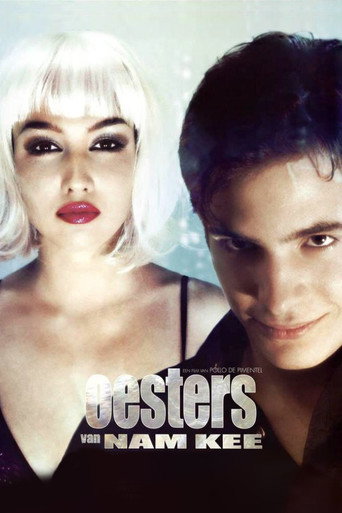
Oysters at Nam Kee's
Young Dutch dropout, Berry, falls in love with slightly older nightclub dancer and ex-nude model Thera and gives up his social live with his dodgy comrades and fine family to make a three-stop 'world tour' together. Suddenly Thera ODs terribly, leaving Berry alone with his obsessive but unanswered love which drives him crazy.
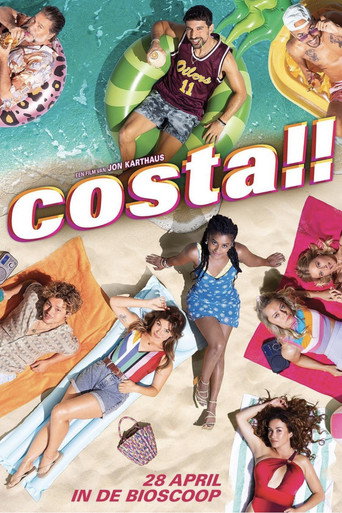
Costa!!
Anna travels to Spain to find out how her mother was at her age while she was a propper in one of the biggest clubs in Lloret.
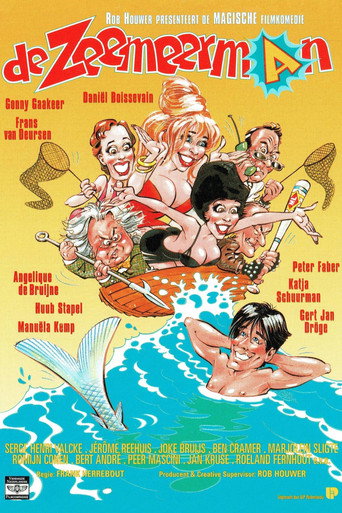
The Merman
Tony is really handsome, but he smells. A scientist gives him a potion that should get rid of his fishy smell. Unfortunately, there are some serious side effects.
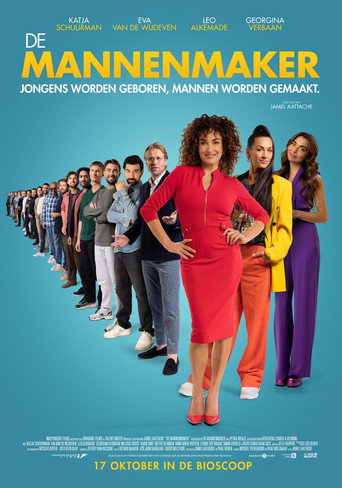
De mannenmaker
"Man-maker" Anne doesn't do relationships, but projects: every six months, she picks up a man and grooms him into a desirable specimen. Once she's successful, she breaks up with him and starts another project. That goes well, until she starts developing feelings for her new project partner.
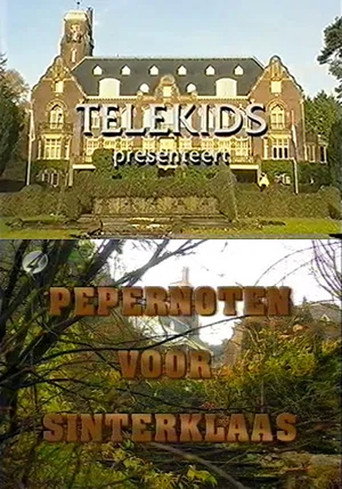
Pepernoten voor Sinterklaas
Prettig weekend - ondanks alles
One year after the assassination of Theo van Gogh, Katja Schuurman and Stan de Jong examine the government's role. They claim that 'intelligence services and the police have blundered at a large scale'. For example, it was unjustifiable that Theo van Gogh did not have government protection, and the film demonstrates that after the killing the police first examined the wrong apartment. Schuurman talks to people involved, like Ayaan Hirsi Ali, with whom Van Gogh made the controversial film Submission, the Amsterdam chief public prosecutor Leo de Wit, who denies statements that were previously uttered (and filmed), and film producer Gijs van de Westelaken and chief editor of Metro Jan Dijkgraaf, who both condemn the police. Archive footage shows Theo van Gogh himself, Pim Fortuyn and the attacks in New York and Madrid; replays and close-ups of TV fragments emphasize salient statements.
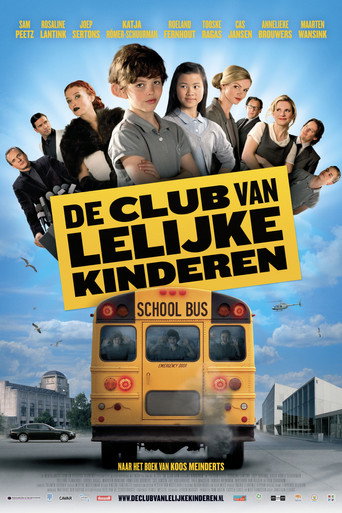
The Club of Ugly Children
Under president Isimo, the Netherlands must be made clean and fresh. All ugly children are deported, but some escape and launch an uprising. Adapted from Koos Meinderts’ children’s book.

Casa Coco
Pleun from Rotterdam has been running Casa Coco, a guest house for reflection and rest on Bonaire, for years. The Rotterdam people from her own circle of acquaintances like to come over for a wonderful holiday together. This autumn, Pleun's childhood sweetheart Toon comes along with a befriended couple after his wife announces she wants to divorce him, to make him forget his problems under the Antillean sun. The two ex-lovers have not seen each other for years. Because Pleun left Toon out of the blue fifty years ago and went to Bonaire, Toon falls back from one problem to another.
Production
Prettig weekend - ondanks alles
One year after the assassination of Theo van Gogh, Katja Schuurman and Stan de Jong examine the government's role. They claim that 'intelligence services and the police have blundered at a large scale'. For example, it was unjustifiable that Theo van Gogh did not have government protection, and the film demonstrates that after the killing the police first examined the wrong apartment. Schuurman talks to people involved, like Ayaan Hirsi Ali, with whom Van Gogh made the controversial film Submission, the Amsterdam chief public prosecutor Leo de Wit, who denies statements that were previously uttered (and filmed), and film producer Gijs van de Westelaken and chief editor of Metro Jan Dijkgraaf, who both condemn the police. Archive footage shows Theo van Gogh himself, Pim Fortuyn and the attacks in New York and Madrid; replays and close-ups of TV fragments emphasize salient statements.
Interview
A middle-aged journalist interviews the real-life Dutch star Katja Schuurman, in her own loft. Pierre, the journalist is annoyed at being given such a fluffy assignment, as he is normally a political correspondent. Initially he has no questions for Katja, but soon they are coaxing their darkest secrets out of each other.
Gallery