Kathleen Key Movies, TV Shows, and Filmography
Kathleen Key
Acting
Biography
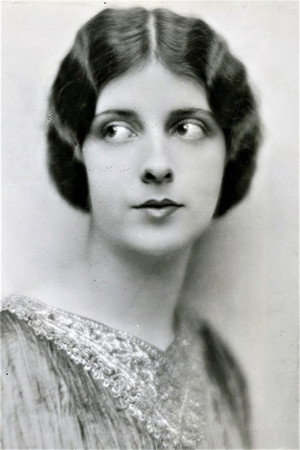
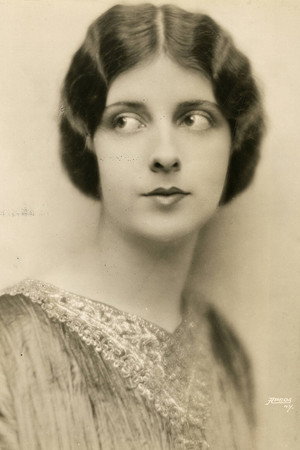
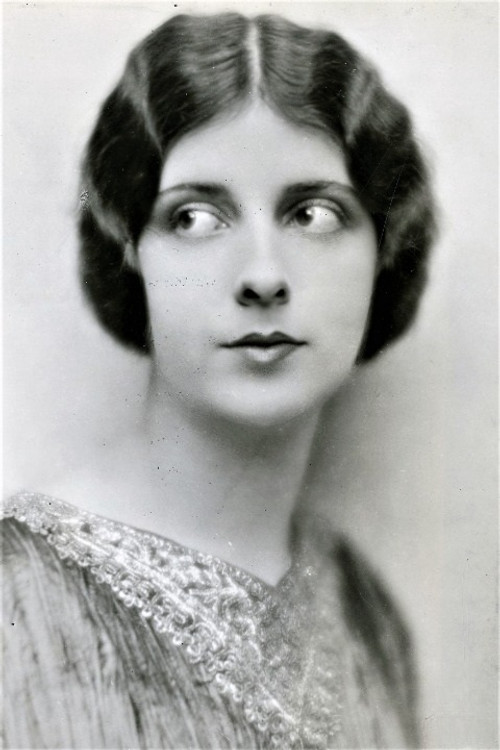
From Wikipedia: Kathleen Key (April 1, 1903 – December 22, 1954) was an American actress who achieved a brief period of fame during the silent era. She is best remembered for playing Tirzah in the 1925 film Ben-Hur. Key was the great-great granddaughter of Francis Scott Key, composer of "The Star Spangled Banner", and a distant cousin of author F. Scott Fitzgerald. Born Kitty Lanahan in Buffalo, New York, she debuted in films in 1920 in the film The Jackeroo of Coolabong, playing a lead role. From that point on to the end of the 1920s, Kathleen Key, sometimes credited as Kathleen Keys, starred in several films, but never really reached stardom, and was never given much credit for the roles she had, although there were some exceptions. In the early '20s, Key had a well-known love affair with silent-film actor Buster Keaton, who was married at the time. As told in Keaton's biography, the actor attempted to call off the relationship, but Key flew into a jealous rage and ransacked his MGM dressing room, which caused her to be virtually blacklisted afterward by the movie industry. It is also stated that Keaton refused to give Key a monetary loan. A telegram, sent by one of Keaton's friends who had heard about the argument, comically read: "Congratulations. Hear you are off Key." After her retirement in 1936, Keys spent the rest of her days in moderate comfort at the Motion Picture Country House in Woodland Hills, California, where she died at the age of 51 in 1954. Her interment was located at Valhalla Memorial Park Cemetery.
Filmography Movies
Acting
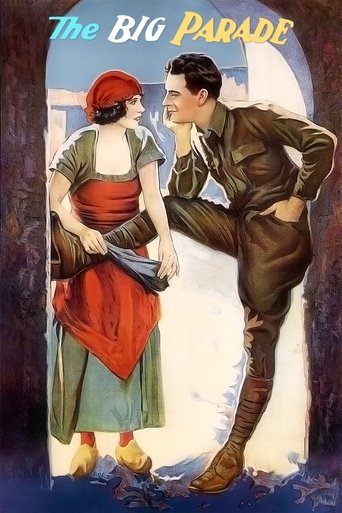
The Big Parade
The story of an idle rich boy who joins the US Army's Rainbow Division and is sent to France to fight in World War I, becomes friends with two working class men, experiences the horrors of trench warfare, and finds love with a French girl.
Sweeping Against the Winds
A small textile factory down south is run by a cruel foreman that bullies and fires on whim the workers, especially the office girl who starts a day nursery for their children. He's also a part owner in the business. His methods usually scare away the man hired as the plant manager, until a replacement (secretly one of the other owners) arrives.
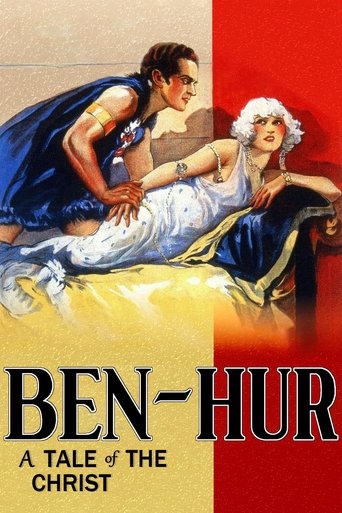
Ben-Hur: A Tale of the Christ
Erstwhile childhood friends, Judah Ben-Hur and Messala meet again as adults, this time with Roman officer Messala as conqueror and Judah as a wealthy, though conquered, Israelite. A slip of a brick during a Roman parade causes Judah to be sent off as a galley slave, his property confiscated and his mother and sister imprisoned. Years later, as a result of his determination to stay alive and his willingness to aid his Roman master, Judah returns to his homeland an exalted and wealthy Roman athlete. Unable to find his mother and sister, and believing them dead, he can think of nothing else than revenge against Messala.
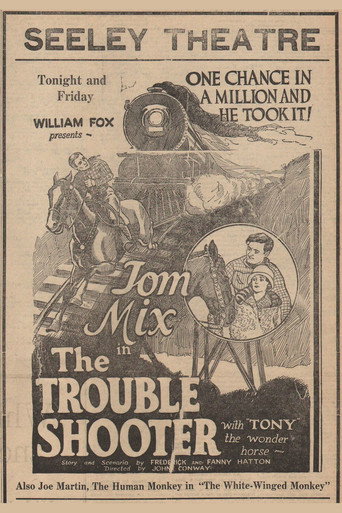
The Trouble Shooter
Tom Mix, the most popular screen cowboy of his era, played a lineman for a power company in this action melodrama which was a Western in name only.
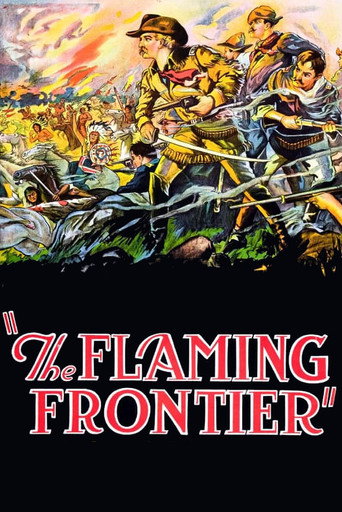
The Flaming Frontier
Bob Langdon, a young Pony Express rider, is given an appointment to West Point, but is forced to leave the academy as the result of political intrigue stirred up by enemies of his friend, General George A. Custer. Bob returns to the west and is made a scout for Custer's 7th Cavalry. At the Battle of Little Big Horn, Custer sends Bob with a message for aid, and Bob becomes the only survivor of the battle.
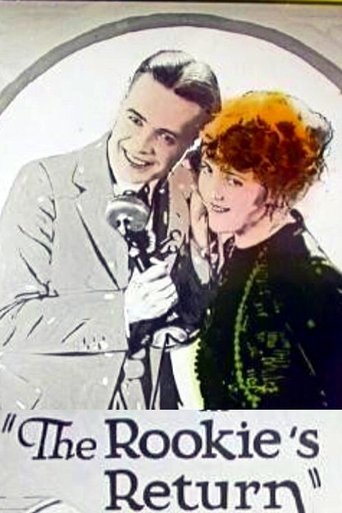
The Rookie's Return
A young soldier is discharged from the service and has trouble making a living. However, when he inherits a great deal of money, he finds his troubles only beginning.
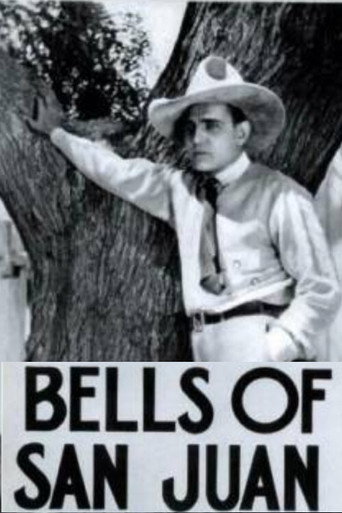
Bells of San Juan
Rod Norton is a lawman searching for his father's killer. Norton suspects saloon owner Jim Garson but is lacking evidence. Garson's henchmen, the Rickard brothers, kidnap Norton's sweetheart Dorothy, hoping to lure the sheriff into a trap.
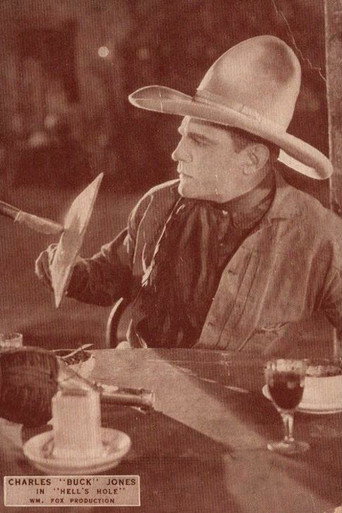
Hell's Hole
Cowboy Tod Musgrave and his pal Del Hawkins steal a ride on a train after being kicked out of a saloon. The conductor throws them off when he discovers they have no tickets, and the two men swear revenge.
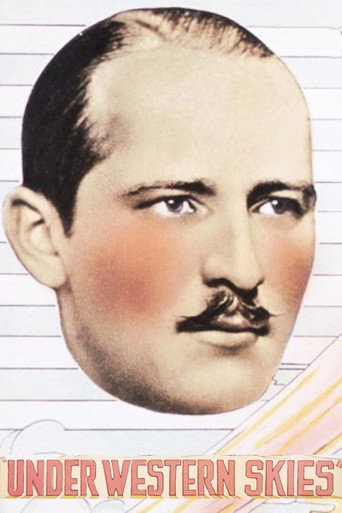
Under Western Skies
Bob Erskine, the son of a wealthy New York banker, falls in love with Ella Parkhurst, the daughter of an Oregon rancher. Bob goes to work as a fieldhand for the elder Parkhurst and discovers that the Oregon crops may fail because eastern bankers, led by Bob's father, refuse to advance the farmers credit. Bob intercedes with his father, who promises to help the ranchers if Bob wins the steeplechase in the Pendleton rodeo.
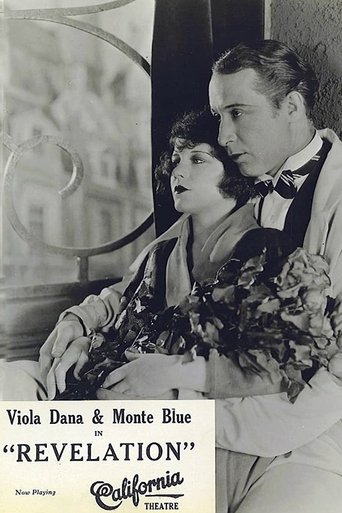
Revelation
Paul Granville becomes a famous painter for his portraits of great women as modeled by the beautiful Joline Hofer. When one of Paul's paintings appears to result in a miracle, Joline's life is changed forever. She leaves her previous life to live one of service and piety, a decision that ultimately saves Paul's life.
Gallery