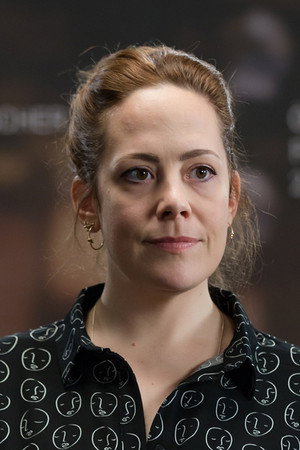
Katharina Mückstein Movies, TV Shows, and Filmography
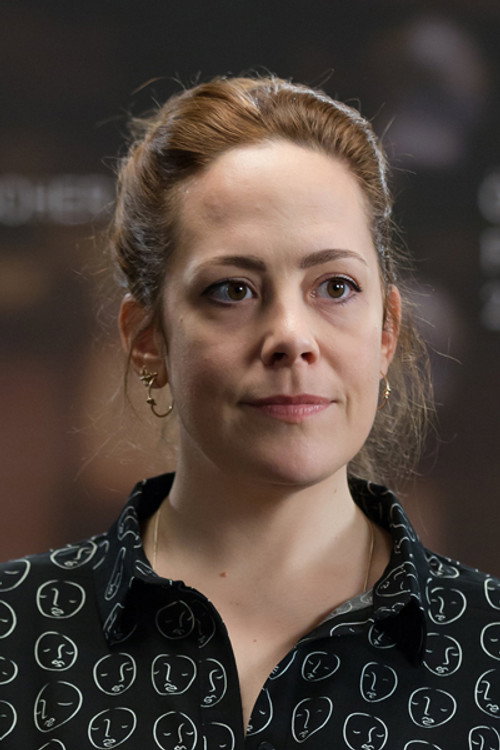
Katharina Mückstein
Directing
Biography
Katharina Mückstein (born 1982) is an Austrian film director, screenwriter and producer. Narrative films Mückstein has written and directed include the short film The Reunion (2009), and the feature films Talea (2013), and L'Animale (2018). She also wrote and produced the documentaries Three Farmers and A Son (2016), and Animals and Other People (2017). She won the Austrian Film Award for Best Documentary for Three Farmers and A Son in 2017. In 2020, Mückstein directed the TV film Blind ermittelt – Zerstörte Träume. She also directed its two sequels released in 2022: Blind ermittelt – Tod im Prater, and Blind ermittelt – Die nackte Kaiserin. In 2023, Mückstein directed Feminism WTF, a documentary on feminism and gender equality. Description above from the Wikipedia article Katharina Mückstein, licensed under CC-BY-SA, full list of contributors on Wikipedia.
Filmography Movies

Production
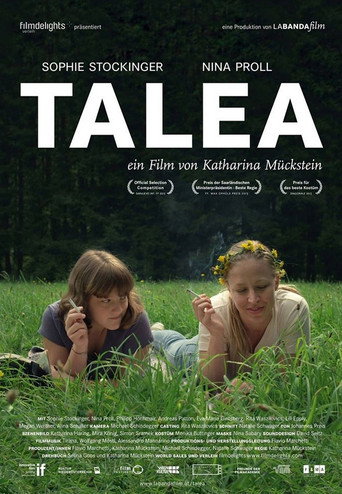
Talea
Fourteen-year-old Jasmin longs to be near her biological mother, Eva. Following her mother’s release from prison, an excursion into the country together becomes a first test for the fledgling mother-daughter relationship. They smoke, dance and stroll together – the mood is promising. But time and again, it is revealed that their needs and expectations are light years apart. For the moment, neither Eva nor Jasmin seem up to the task of fulfilling each other’s need for identity and support. (Talea is Italian for scion, a detached shoot or twig containing buds from a woody plant, used in grafting.)
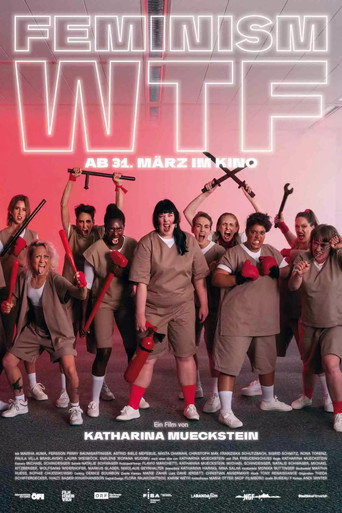
Feminism WTF
An international topic documentary on feminism and gender equality. The film reflects on current debates and analyses the potential of intersectional feminism to profoundly change our future societies.
Feminism WTF
An international topic documentary on feminism and gender equality. The film reflects on current debates and analyses the potential of intersectional feminism to profoundly change our future societies.
Feminism WTF
An international topic documentary on feminism and gender equality. The film reflects on current debates and analyses the potential of intersectional feminism to profoundly change our future societies.
Out of Bounds
A cineastic meeting of two characters who are directly related to each other: Camera (Cinematographer) and Dancer. Both can define space/room, but only through interaction. They meet each other in an abstract setting (a white cube) and start a dramatic play.
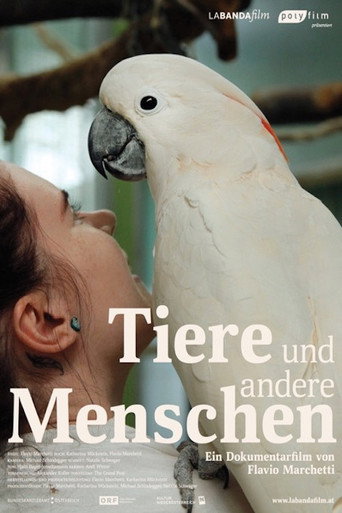
Animals and Other People
The film introduces viewers to Vienna's animal shelter and its inhabitants.
The Reunion
Luisa returns to her parents' home when her father becomes bedridden. She's expected to help her mother deal with the drudgery of caring for him, but their relationship is tense and the physical contact with the man proves to be unpleasant for her. In quiet moments she remembers scenes from her childhood Long repressed and forgotten memories force their way back into the present, until a final realization brings a family secret to light.
The Reunion
Luisa returns to her parents' home when her father becomes bedridden. She's expected to help her mother deal with the drudgery of caring for him, but their relationship is tense and the physical contact with the man proves to be unpleasant for her. In quiet moments she remembers scenes from her childhood Long repressed and forgotten memories force their way back into the present, until a final realization brings a family secret to light.
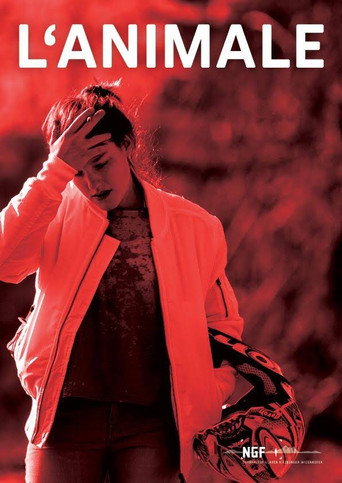
L'Animale
Riding on their tuned-up bikes, Mati and her posse of male friends intimidate their neighborhood and harass the girls. In their village, they rule. But when her closest pal Sebastian falls in love with Mati and her enemy Carla unexpectedly turns into a friend, Mati is in danger of losing her standing among her male friends. Meanwhile Mati’s parents have a decision to make: What's more important, appearances or reality?
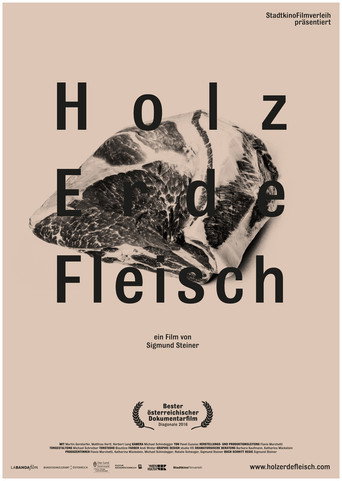
Three Farmers and a Son
In his essayistic documentary Sigmund Steiner investigates the work, lives and generational relations of three Austrian farmers. Even though none of them are his father, each one of the film's protagonists reflects on one aspect of Steiner's complicated father-son relationship.
Gallery