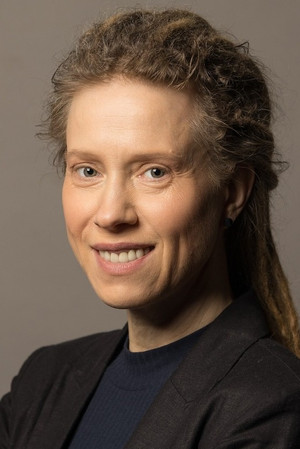
Katariina Unt Movies, TV Shows, and Filmography
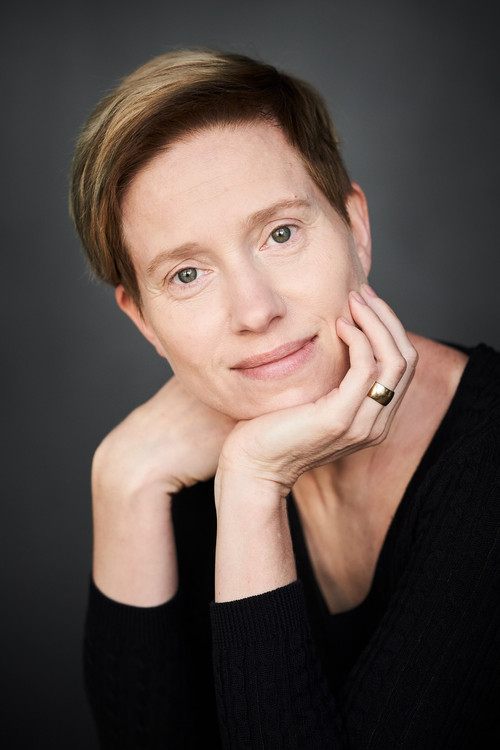
Katariina Unt
Acting
Biography
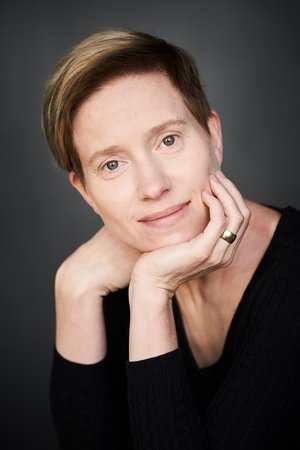
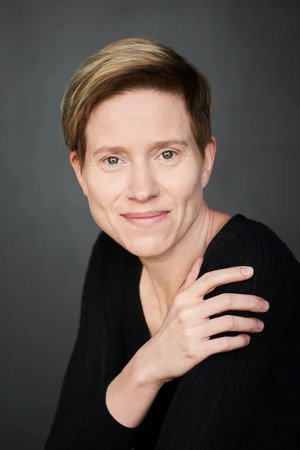
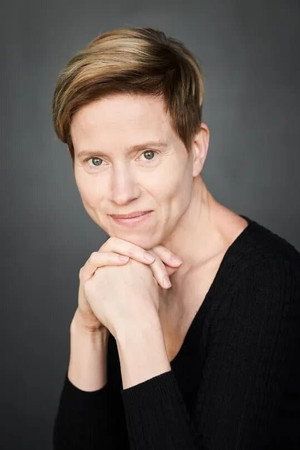
Katariina Unt (born Katariina Lauk; December 6, 1971) is an Estonian stage, television, and film actress. Katariina Unt was born in Tallinn. Her mother is interior decorator Malle Lauk and her father is artist Tõnu Lauk, who works mainly with metals. The youngest of four siblings, she grew up mostly in Pärnu. She graduated in 1990 from Pärnu Hansa Secondary School, then completed her studies in Tallinn at the Estonian Academy of Music and Theatre Drama School in 1994 (now, the Estonian Academy of Music and Theatre). Her graduating classmates included Mait Malmsten, Ain Mäeots, Liisa Aibel, Ago Anderson, Indrek Sammul, and Andres Puustusmaa. Between 1994 and 2001, she was engaged at the Tallinn City Theatre. Following her departure, she worked for a while as a freelance actor, performing at the Estonia Theatre, Endla Theatre and the Kuressaare Town Theatre, among others. In 2007, she joined the VAT Theatre in Tallinn, where she still currently performs. Among her more memorable roles in theater were in works by: William Shakespeare, Anton Chekhov, Madis Kõiv, Molière, Tadeusz Różewicz, Luchino Visconti, Tom Stoppard, Andrus Kivirähk, August Kitzberg and Friedrich Reinhold Kreutzwald, among many others. Katariina Unt made her film debut as Mari in the 1994 Jaan Kolberg-directed film Jüri Rumm. This was followed by a recurring role on the popular ETV drama series Õnne 13. In 2013, she appeared in the Kanal 2 paranormal-thriller television series Süvahavva. Her first large film role was that of Eetla in the 2003 Sulev Keedus-directed war drama Somnambuul (English: Somnambulance). Other popular roles were in films such as Katrin Laur's Ruudi (2006), Veiko Õunpuu's Sügisball (Autumn Ball, 2007), Sulev Keedus' Kirjad Inglile (Letters to Angel, 2011) and Rainer Sarnet's Idioot (The Idiot, 2011), a starring role as Viivi in the 2016 Mart Kivastik directed romantic drama Õnn tuleb magades opposite actor Ivo Uukkivi and in Rainer Sarnet's November, 2017, based on the novel by Andrus Kivirähk. In many of her earlier film and television appearances, she is credited as Katariina Lauk (her birthname) and Katariina Lauk-Tamm (while married to Raivo E. Tamm). In 1993 she married actor Indrek Sammul, the couple divorced in 1995. In 1997, she wed actor Raivo E. Tamm, however, the two would divorce in 2003. Unt and Tamm have a daughter. In 2011, she remarried once again, taking her husband's surname Unt.
Filmography Movies
Acting
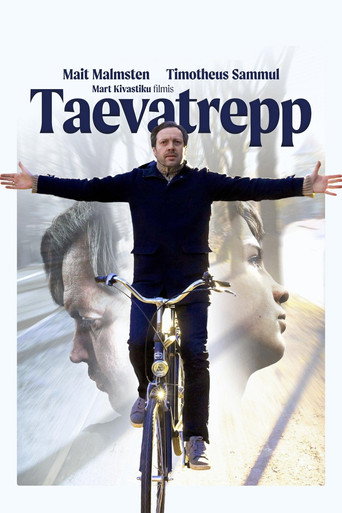
Stairway to Heaven
With his last breath Uu's friend entrusts him with the secret of how to go to the past. Uu is an engineer and doesn't believe in miracles, but the trick works. In the past there is a pleasant, eternal summer, long hair, girls and Jenkki chewing gum. In his real life, it is autumn, his friends are bitter, the girls are married and his father is seriously ill. At the end of the day, however, Uu has to decide in which time to live his life - in the summer of the past or in the autumn of the present.
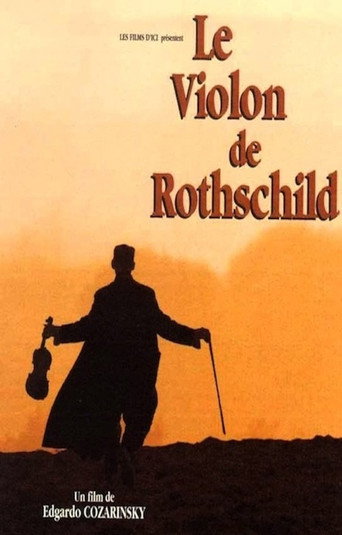
Rothschild's Violin
1938: Shostakovich encourages his pupil Fleischmann to write an opera based on the Chekhov story 'Rothschild's violin'. Fleischmann is killed during the siege of Leningrad. Shostakovich completes the orchestration, but in 1948 is advised to suppress the opera, during Stalin's campaign against "rootless cosmopolitans". Jewish motifs enter Shostakovich's own work.
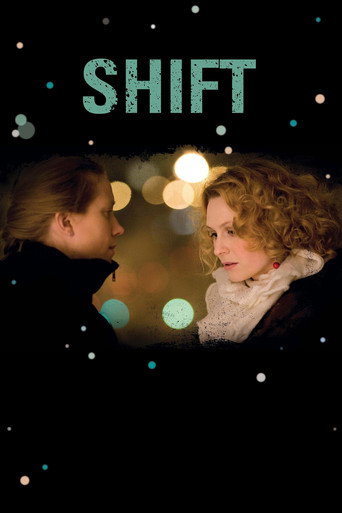
Shift
When Miina, a seemingly well-off woman is caught shoplifting, the female officer truly uses her chance to show off her contempt. She sees a rival in the shoplifter and decides to teach Miina a lesson. Surprisingly, both women meet just a few hours later in a situation where the previous rivals become partners in crime and must trust their fates in the hands of each other.
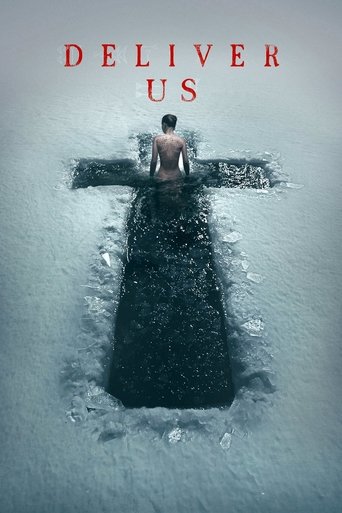
Deliver Us
When a nun in a remote convent claims immaculate conception, the Vatican sends a team of priests to investigate, concerned about an ancient prophecy that a woman will give birth to twin boys: one the Messiah, the other the Antichrist.
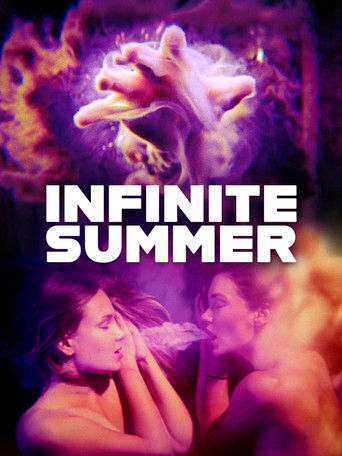
Infinite Summer
On a summer break, Mia and her friends try a meditation app that’s somehow related to the operating system of the Tallinn Zoo, changing the body chemistry of its users into something between pollen and cosmic dust. Mia will need to choose between saving her friends or joining them.
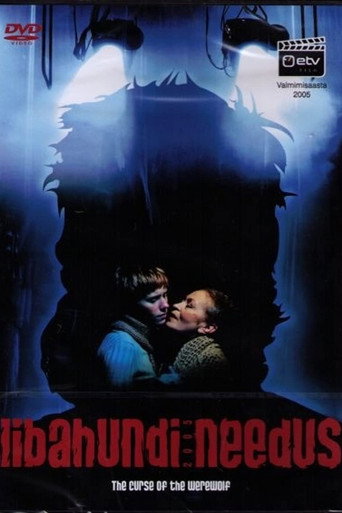
The Curse of the Werewolf
Liina is a young actress at Vanemuise Theatre who gets Tiina's part in the new, postmodernist version of the play "Werewolf" by August Kitzberg. The theatre is haunted and the rehearsals seem to be cursed, artificial blood becomes real blood. The play won't be complete before the murder mystery is unsolved - and Liina is being taken back to the old theatre legends and intrigues of the past century.
When You Least Expect It
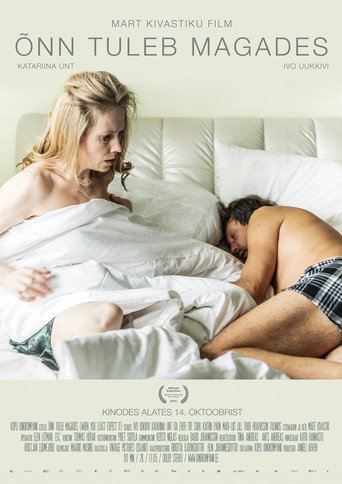
There are two people who wake up in the same bed one morning, and neither of them has a clue who the other is. Viivi would like to run away and the man is sleeping like a log. Unlike Viivi and Andu themselves, the viewers know both very well. They know that Viivi has the worst day in her life and that Andu is a dweeb, but not completely hopeless; a rather good-hearted man. They are both hopelessly lonely people hoping that maybe there's someone somewhere - So they might as well meet.
The Lion Blanket
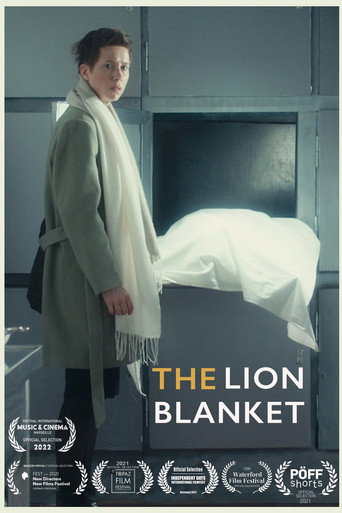
Berta's sister Helena has gone missing and there is little hope of finding her. Berta visits the morgue, where she views several bodies, each with her own tragic story. How can Helena be one of them?
The Temptation of St. Tony
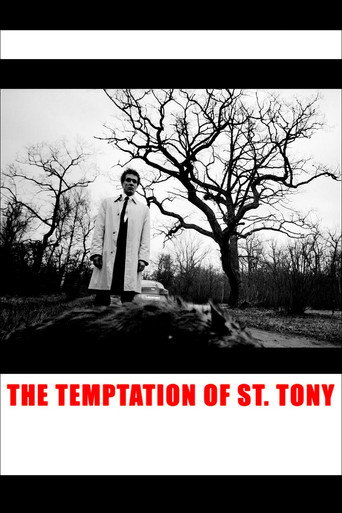
A mid-level manager who develops an aversion to being a good person questions his morality as he faces the challenges of middle age and loses control of his life.
Lost and Found
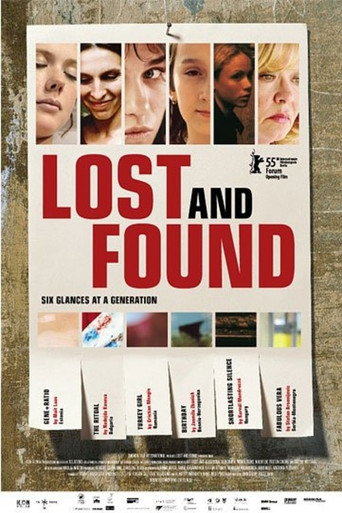
Six young filmmakers from Central and East Europe developed shorts about the theme of 'generation'.
Gallery