Kassem Hawal Movies, TV Shows, and Filmography
Kassem Hawal
Directing
Biography
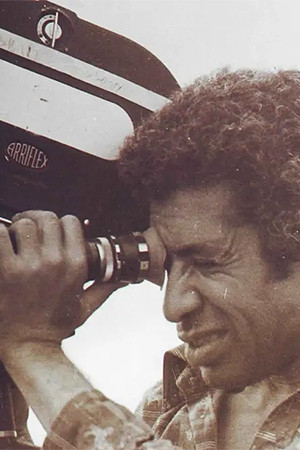
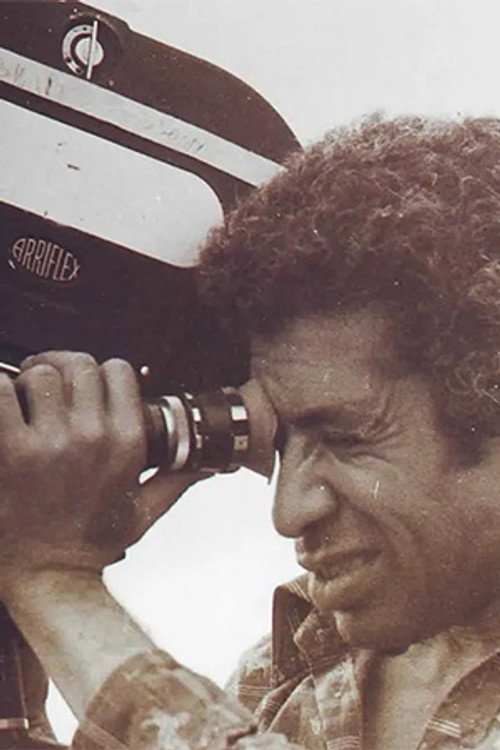
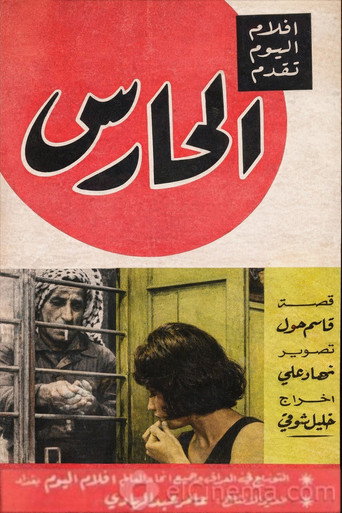
The film director Qasim was born in the city of Basra in southern Iraq in the year 1940. He started in the theater and worked in journalism, television, radio, and theater. In 1966, he founded, along with some friends, the foundation "Afalam AlYawm," which produced the film "Al-Haris," for which he wrote the story and played the role of Qasim himself. The film was directed by the renowned artist Khalil Shouk. In 1970, he joined the ranks of the Palestinian resistance in Beirut, establishing a film unit and directing several films, including "Al-Nahr Al-Barid," "Bayyutna Al-Sagheera," "Limaathana Hamal Al-Silaah," and "Lan Tuskit Al-Banadiq." In 1976, he returned to Iraq and directed his documentary film "Al-Ahwar," followed by his first narrative film, "Bayut Fil Dhalik Al-Zakaq." He then left Iraq to live in exile.
Filmography Movies
Production
Sound
Like a blurry watercoulor, the Euphrates painted the lands he touches with the shades of exile.
Our Small Houses
Iraqi writer and director Kassem Hawal’s 24 minute film Our Small Houses is one of the few surviving works made by the cinema group Hawal founded and led under the Central Information Committee of the Popular Front for the Liberation of Palestine (PFLP). Badly damaged and often overlooked in histories of revolutionary film, it combines lucid Marxist-Leninist analyses with striking montage techniques.
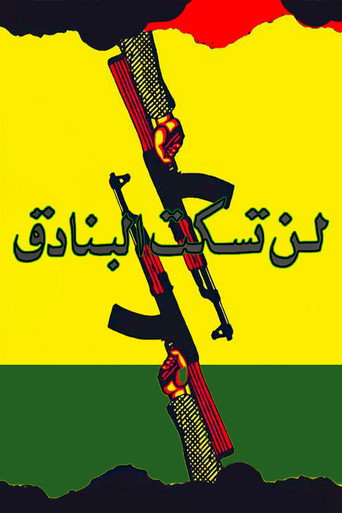
The Rifles will not be Silent
An important documentary based on a speech by Comrade George Habash, the Secretary-General of the Popular Front for the Liberation of Palestine on the first anniversary of the Martyrdom of Comrade Ghassan Kanafani. Through this speech the film shows the political position of the Front and the position of the masses towards the question of proposed settlement, as well as the role of the masses in pursuing the armed struggle against the imperialist-Zionist-reactionary enemy.
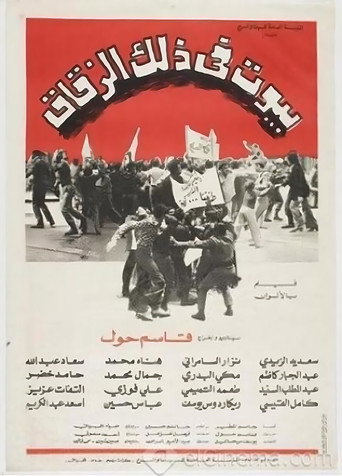
Houses in That Alley
In one of the popular neighborhoods in Baghdad, a disaster unfolds as a group of old houses collapses, causing a tragedy among the impoverished residents. A journalist endeavors to uncover the reasons behind this catastrophe. He discovers that Abu Fahad had constructed the house with non-compliant specifications, leading to its collapse. The journalist writes an investigative piece for the newspaper he works for, but the authorities remain unresponsive. He comes to realize that behind Abu Fahad, there is a wealthy and influential figure shielding him from legal accountability.
Houses in That Alley
In one of the popular neighborhoods in Baghdad, a disaster unfolds as a group of old houses collapses, causing a tragedy among the impoverished residents. A journalist endeavors to uncover the reasons behind this catastrophe. He discovers that Abu Fahad had constructed the house with non-compliant specifications, leading to its collapse. The journalist writes an investigative piece for the newspaper he works for, but the authorities remain unresponsive. He comes to realize that behind Abu Fahad, there is a wealthy and influential figure shielding him from legal accountability.
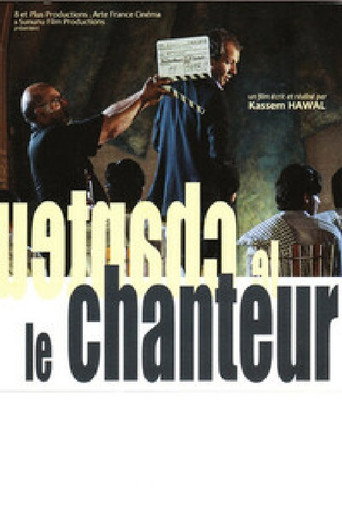
The Singer
Beshar, a famous singer, is summoned to perform at his country's dictator's birthday party. But on the way to the presidential palace, his car breaks down and he arrives late. He immediately faces the dictator's wrath, the first incident in a strange evening where the leader's tyranny will have dire consequences for some of the guests. Between forced cheerfulness and silent terror, everyone knows they are at the mercy of the mood of a grotesque host with unlimited power...
Palestinian Identity
In 1982, Israel invaded Lebanon and occupied its capital, Beirut. The film is a rare example of a PLO film made after the PLO’s departure from Beirut. It documents the burned and destroyed cultural and educational centers from which Israelis stole films, photographs, and historical and contemporary manuscripts. It includes interviews with key members of the Palestinian cultural scene such as Mahmoud Darwish and Ismail Shammout and those in charge of cultural and educational centers that were destroyed.
The Singer
Beshar, a famous singer, is summoned to perform at his country's dictator's birthday party. But on the way to the presidential palace, his car breaks down and he arrives late. He immediately faces the dictator's wrath, the first incident in a strange evening where the leader's tyranny will have dire consequences for some of the guests. Between forced cheerfulness and silent terror, everyone knows they are at the mercy of the mood of a grotesque host with unlimited power...
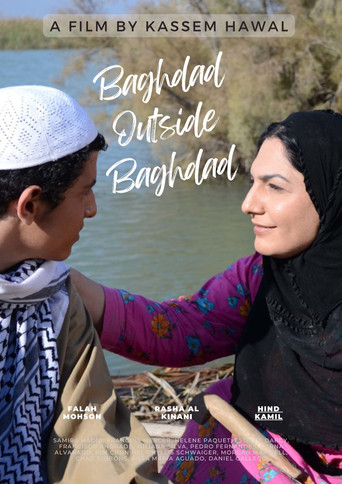
Baghdad Outside Baghdad
Baghdad Outside Baghdad is based on the Gilgamesh Sumerian legend, set in the first decades of the 20th century and told with a realistic and human hold. The story portraits six different stories that in different ways reflects the intellectual and cultural life in Iraq in that period, a period that fostered great poets and singers. The film presents six figures from this period through easy going as well as melancholic perspectives, while they live as strangers in their homeland and slowly move towards death. Gilgamesh is constantly present in the story, and as set in the historical epic portrayal, watchful and fearful of the death. Baghdad Outside Baghdad is outermost a historical portrait of Iraq.
Baghdad Outside Baghdad
Baghdad Outside Baghdad is based on the Gilgamesh Sumerian legend, set in the first decades of the 20th century and told with a realistic and human hold. The story portraits six different stories that in different ways reflects the intellectual and cultural life in Iraq in that period, a period that fostered great poets and singers. The film presents six figures from this period through easy going as well as melancholic perspectives, while they live as strangers in their homeland and slowly move towards death. Gilgamesh is constantly present in the story, and as set in the historical epic portrayal, watchful and fearful of the death. Baghdad Outside Baghdad is outermost a historical portrait of Iraq.
Gallery