Camera
No biography available.
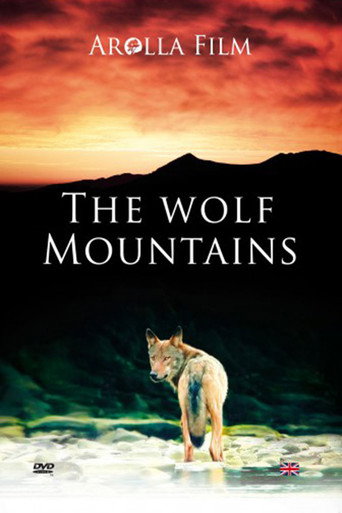
As night falls, an ethereal mist creeps over a forest cover as old as the world itself. The primeval howl of a wolf echoes across the mountains, followed by another and yet another wolf. Down in the valley, a wisent turns swiftly, a deer runs off a little and a beaver swims into its hiding place. Only a bear waits in anticipation of sponging off the prey of the wolf. This is the story about the rebirth of European wilderness, in which the wolf, the wisent, the bear and other rare animals live as freely as centuries ago.
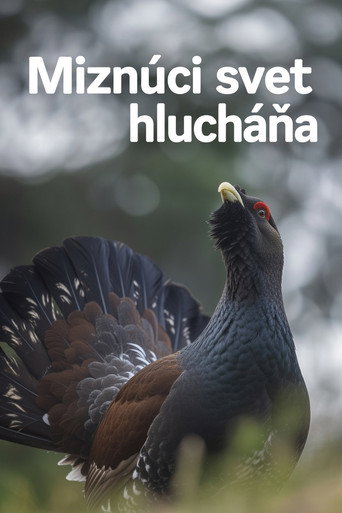
At Arolla Film, we strive to positively motivate people to protect wildlife through our work. Sometimes, however, the devastation of nature is so extensive and the changes so rapid that more radical measures are needed to stop them. This is the case with the capercaillie, a species closely linked to natural mountain forests. We could no longer stand by and watch as dozens of locations where the capercaillie was found until recently disappeared. That is why we decided to make a short video that uses the example of the Low Tatras to show the dramatic changes that have taken place over the last ten years. The animation is made from real satellite images, and the crosses with the names of the locations are actually extinct leks. The video is part of an initiative to save the natural habitat of the capercaillie.