Karl-Heinz Weiss Movies, TV Shows, and Filmography
Karl-Heinz Weiss
Acting
Biography
No biography available.
Filmography Movies
Acting
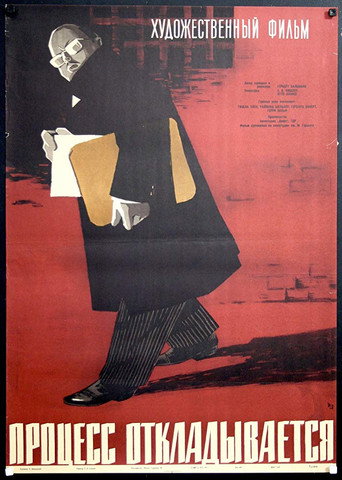
Der Prozeß wird vertagt
In 1955, Michael Vierkant, a Jew who had emigrated during the Nazi era, returns from abroad to the Federal Republic of Germany to obtain the conviction of Korn, the former informer responsible for the murder of his sister. Korn is back in office; Michael's efforts remain unsuccessful. There is a direct confrontation between the two, and Michael shoots Korn in self-defense. He flees and is hidden by the young, reclusive artist Marie Jäger, but is then caught by the police and charged with premeditated murder. The case is taken out of the hands of the criminal investigation department by the Office for the Protection of the Constitution, which constructs an act of political revenge on behalf of the communists. Michael manages to escape from prison. Marie and her friends organize a press conference at which Michael reveals the connections. The trial is postponed.
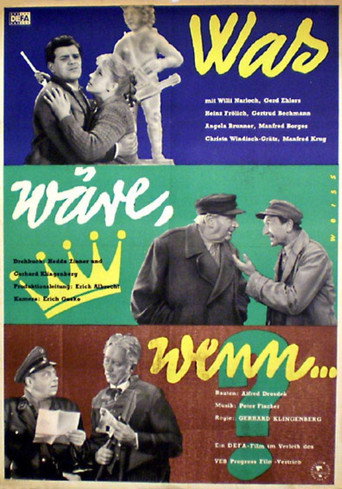
What Would Happen If...?
In the late 1950s, the collectivization of agriculture is in full swing in the East German village of Willshagen on the German-German border. Those in charge have to face many obstacles, especially from a large-scale farmer who is unwilling to join the co-op. All of a sudden, mysterious men in a fancy car appear in the village and show an interest in the rundown manor house. Gossip spreads quickly, and some villagers think there will be a re-parceling of properties and a land swap with West Germany. They assume everything will go back to how it used to be and even expect the count to return to his manor. In preparation, the situation in the village escalates at a fevered pitch.
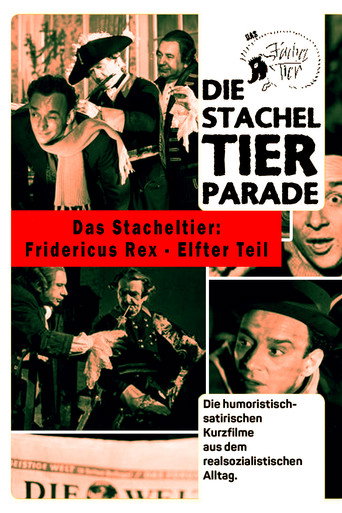
Das Stacheltier: Fridericus Rex - Part Eleven
Two UFA employees travel by car from West Berlin to Potsdam's Sanssouci Palace together with Ministerial Director Schimmelpfennig to persuade Frederick II, who haunts the palace, to collaborate on a new film about himself. The daily newspaper Die Welt had already written about the fact that at the founding meeting of the new UFA, its director pointed out under the motto: "The old spirit lives" that the monumental film Fridericus Rex - Eleventh Part was a first contribution to the ideological armament of the Free World.
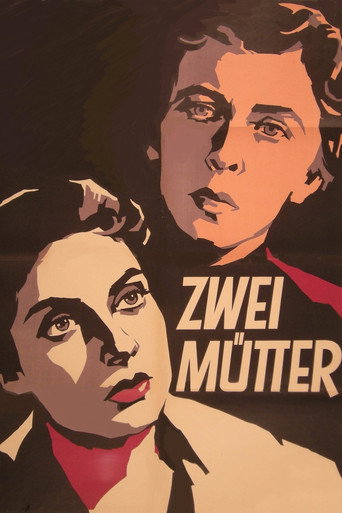
Two Mothers
The story of two women, one French and the other German, who fight for a child who has been mistakenly taken by the Germans after a bomb raid.
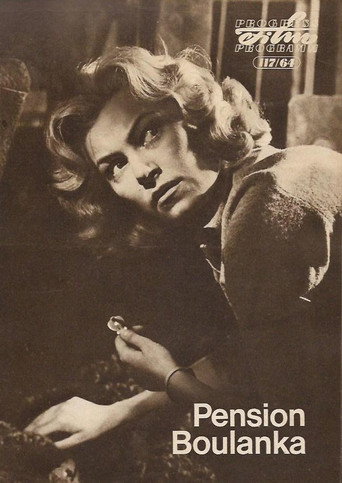
Pension Boulanka
A murder has been committed in "Pension Boulanka", a famous guesthouse for artists and circus people. Captain Bruckner is heading the investigating team.
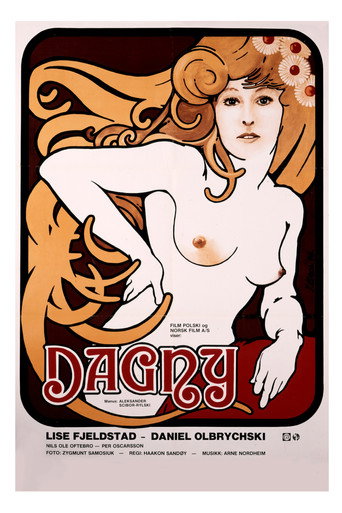
Dagny
Dagny Juell was the doctors daughter who left Kongsvinger for Berlin to study music, and became famous painter Edvard Munchs mistress and model. Than she ran into August Strindberg. They had a brief affair but after a couple of weeks Dagny left him for Stanisław Przybyszewski.
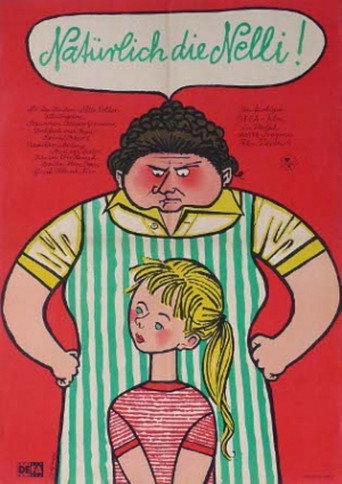
Natürlich die Nelli!
Little Nelli is a clever and cunning child. As her parents are both working, her grandmother has to care for her. But her grandmother is no match to Nelly. Out on the street, Nelli also calls the tune and becomes the kids’ favourite with her brash pranks. But when Nelli enters day nursery, the situation changes completely. Suddenly, Nelli is no longer at the centre of attention and starts to upset the group with her aggressive stubbornness and to revolt against the rules.
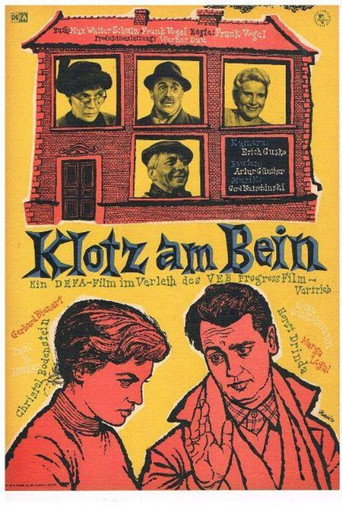
Klotz am Bein
The construction of five houses for a workers' housing cooperative has been delayed due to a shortage of workers. It is winter and it is foreseeable that the houses will be completed in the fall at the latest. However, this takes too long for the young electrician Gustav. He is frustrated and wants to finally live within his own four walls. So far, he and his wife Christl, a sales clerk, have been subletting from his parents-in-law. One day, he receives a visit from his Aunt Minne, who informs him that he has inherited an apartment building worth 12,000 marks from his deceased Aunt Erna. He rejoices, as a house is even better than an apartment and he no longer needs to be a member of the building cooperative. The house turns out to be a dilapidated old building with no furniture and no water or electricity. Christl refuses to move into the building and begs Gustav to turn down the inheritance.
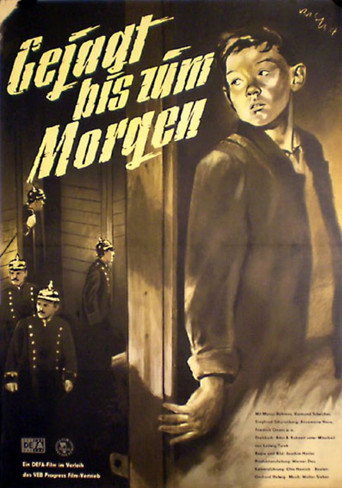
Gejagt bis zum Morgen
Drama about an impoverished family, a widowed mother and her two sons, trying to get by.
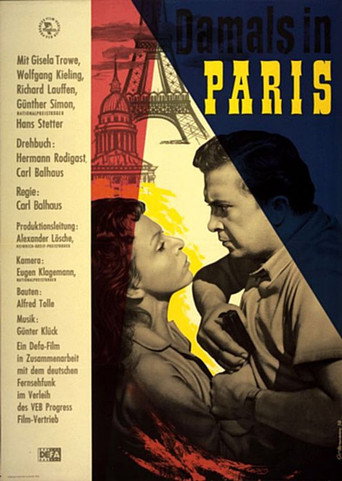
Damals in Paris
1944: Geneviève and René live in occupied Paris. They love each other, and the young woman looks fearfully at René's activities in the Resistance. She wants to stay out of it, and sometimes there are arguments about it. After one such argument, René goes to a meeting with a German comrade. While he is away, the Gestapo come to the house to take the resistance fighter Louise away. Geneviève intervenes and is arrested. The men of the resistance are very worried as she knows about a planned bridge demolition. René trusts her, and Geneviève does indeed withstand the torture. The bridge can be blown up as planned, contributing to a decisive defeat for the German army.