Acting
No biography available.
Using the example of three generations of a Hamburg working class family, the rise of the working class from the founding of the Wilhelmin Empire to the First World War, over the time of the Weimar Republic and National Socialism to the destruction of the Third Reich.
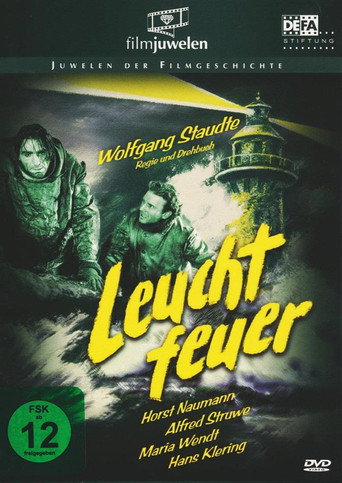
On a barren and stormy island, fishing families eke out a meager existence on what they can catch during summer, and what washes ashore during winter. But little has been washing ashore of late, and their situation worsens. Elders recall how twenty years ago, when the lighthouse keeper’s beacon went dark, a cargo ship broke apart on the cliffs. It proved a bountiful accident for the fishermen. Today people on the island view the conscientious lighthouse keepers with evil hungry eyes...
A fisherman once caught a talking golden fish. He gave him his freedom and was allowed to make a wish in return. He asked for a boat, but this was not enough for his wife, who demanded a house. Driven by his wife's greed, the fisherman demanded more and more until he had lost all the wealth he had gained.
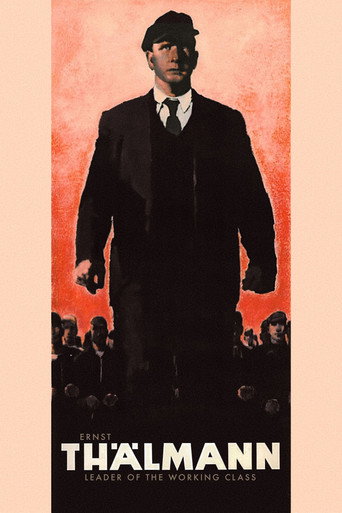
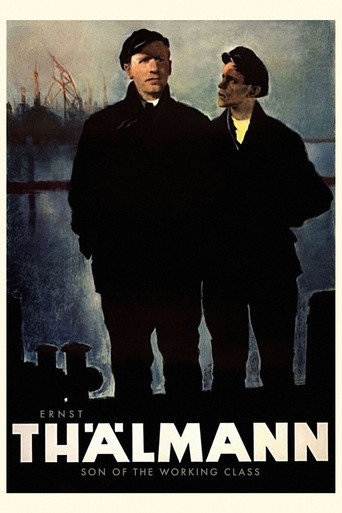
This film is the second of a two-part historical and biographical portrait of the communist politician and anti-fascist Ernst Thälmann. Autumn, 1918: Somewhere on Germany’s western front, Ernst Thälmann, age twenty-four, is calling on his fellow soldiers to put down their guns and join him in the communist struggle at home. When Hamburg’s Police Commissioner blocks a much-needed food shipment to the workers of Petrograd, Ernst battles to see it allowed through. Until his murder on August 18, 1944, Ernst remained true to his political convictions in the face of many setbacks.
An adaptation of Theodor Storm's novella "Hans and Heinz Kirch".
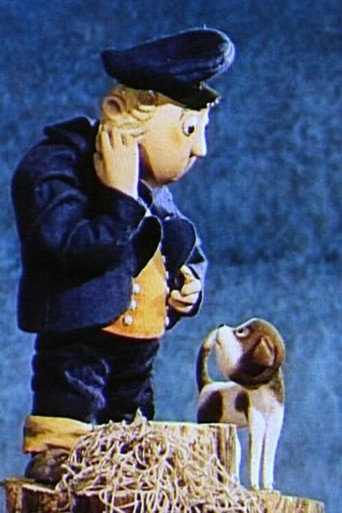
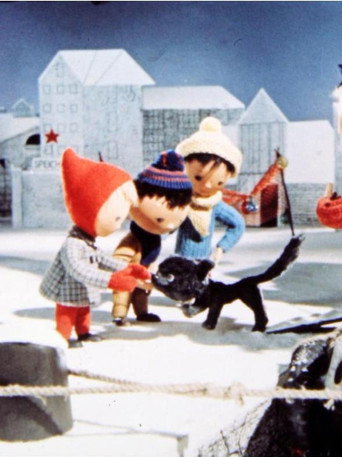
Animated short based on a children's book by Benno Pludra. Winter has enchanted the city and harbour. Only boatman is boring, no one plays with him. Captain Putt Bräsing has an insight with his little dog and entrusts him Uwe, Jochen and Katrinchen to frolic around. The children go on a research trip to the beach.
Helmut Kamp, the construction brigade leader, a man no longer young, life immediately confronted several difficult and woeful problems. The birth of a son, the tragic death of his wife, the relationship of his daughter Ingrid with Dr. Beißert coincided with the need to move to an uninhabited area where a nuclear power plant will be built. Kamp, Ingrid and the members of the friendly brigade decide to act as the duty and the feeling of partnership prompts them, and gradually they all become participants in the new construction...
Bad planning and shortages prevail on an East German construction site. Foreman Hannes Balla uses unconventional methods to overcome the problems. New Socialist Unity Party secretary Werner Horrath is charged with bringing the rough-and-ready builder crew into line. The task seems doomed to fail as the two men compete for the affections of young engineer Kati Klee. But when she gets pregnant by married man Horrath, he is in danger of being expelled from the party, and Balla takes his side...
A retired head cashier, lonely after the death of his wife, lives in the hope of being able to move in with his son and his family after the latter builds a house. The son does not want to destroy his father's dream and conceals the fact that the family will not have enough money to build a house in the foreseeable future. When the father realizes this, he reaches into the cash register of his former company in desperation.
This film is the first of a two-part historical and biographical portrait of the communist politician and anti-fascist Ernst Thälmann. In early November 1918, Ernst Thälmann is an unwilling soldier serving on the western front. As the revolutionary movement at home is threatened by the betrayal of the Social Democrats and fissures in the working class, Thälmann calls on his fellow soldiers to put down their weapons and unite with the workers in the communist struggle at home. Thälmann’s qualms about which side he is fighting on continue, but when the local police attempt to prevent a shipment of provisions and supplies from reaching the people in Petrograd, he intervenes and the ship is unloaded. With this moment of clarity, Thälmann continues to follow his political convictions and joins the workers at the Hamburg uprising in October 1923.