Karin Düwel Movies, TV Shows, and Filmography
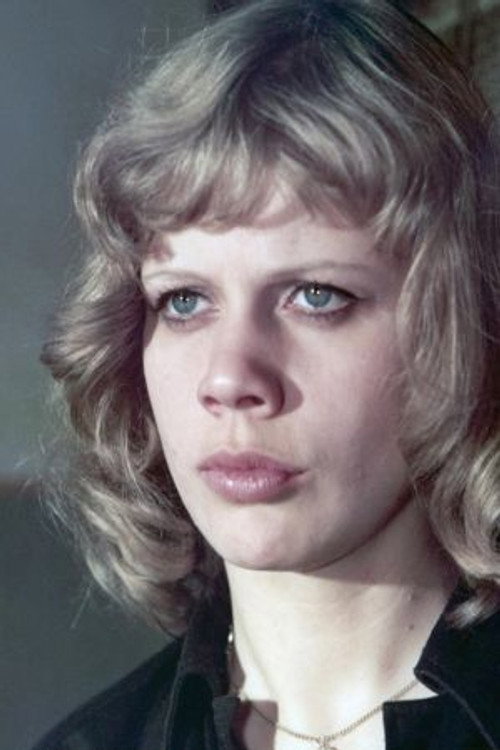
Karin Düwel
Acting
Biography
No biography available.
Filmography Movies
Acting

Oben geblieben ist noch keiner
Willi Zubrodt is delegated by his department to a parachuting course at the GST. As he is not very disciplined, has no respect for the instructors and does not fit into the collective, the instructors try to show him up and force his expulsion from the course. However, the attempts to prove that he had gaps in his theory and physical condition were a complete failure. Zubrodt manages to turn the tables each time.
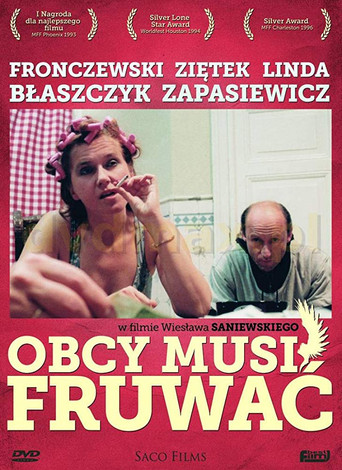
Obcy musi fruwać
Berlin, 1990. At the invitation of his actor friends, who have already lived abroad for many years, Max, a Polish theater director, comes to Berlin. They begin to work together. They try to realize their dream: to stage a play, the staging of which was prevented by the imposition of martial law ten years earlier. The way they raise funds (selling pieces of the "historic" wall) and struggle against the heartless machinery of bureaucracy forms the axis of the film. In their efforts, the four protagonists are assisted by Regina, a translator familiar with local customs and practices. The film deals with the problems of artists in the new, commercializing reality.
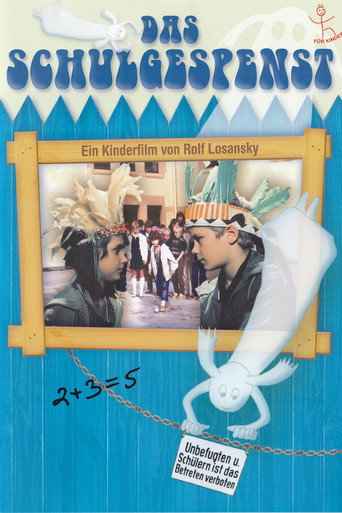
School Ghost
Carola is a mischievous girl who doesn't care much for school- except for sports and recess, of course. Without her good friend Willi to keep her on the straight and narrow, she would really be in trouble. One day at school, Carola has an idea. She invents what she calls "International Ghosts' Day" and a ghost named "Buh" to go with it. When Buh turns out to be less-than-imaginary the two decide to switch places, with Buh taking on all the schoolwork, and Carola taking the opportunity to play practical jokes on all her friends...

Spinnefix
"Je oller, je doller", say the roommates of pensioner Otto Panke, because they often see him together with the young Manuela, who likes to invent "dream jobs" for her life and dreams of an "exclusive life". But for Otto, the noticeable sympathy for the pretty, quite professional woman is simply "soul kinship". And since both have an extremely large degree of imagination, they are special, extraordinary - to a certain extent "spider fix"! The problem of the two is that they often get into tricky situations that threaten to get messy and they get a lot of problems. But as is the case with good stories: in the end, everything aims at a happy happy end...
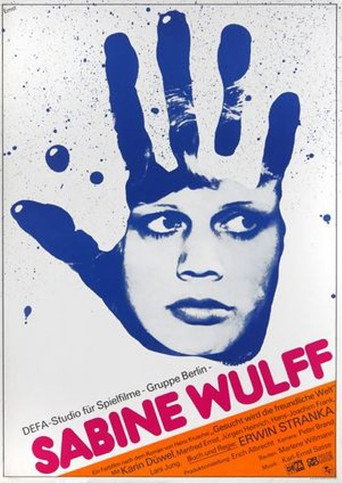
Sabine Wulff
Sabine Wulff is almost 18 when she is released from the juvenile detention center. She doesn't want to return to her unsupportive parents or to her former boyfriend Jimmy, who got her into trouble by persuading her to steal cigarettes. She instead chooses to begin an honest life by getting a job and renting her own room.

Das Glück ist eine Katze
Frido Schulz and Rosa Schätzlein have known each other since their student days. But while Rosa made a career as a lawyer, Frido had to take over his father's electrical store. Since then, he and Rosa have been like cats and dogs, even though they are neighbors and Frido's wife Hanne is Rosa's best friend. But then Hanne dies. Her sudden death only exacerbates their relationship as neighbors. Frido's accusations against Rosa reach their climax when he drags her to court for theft: She is accused of stealing his little black cat, which had run into him one evening.

Liebesticket nach Hause
33-year-old Jackie has a real problem: Frederik Forster, the son of a rich and powerful Munich publishing family, has proposed to her - much to the displeasure of his mother Marianne - and Jackie has happily agreed. Now she just has to persuade her husband Tom to finally sign the divorce papers.
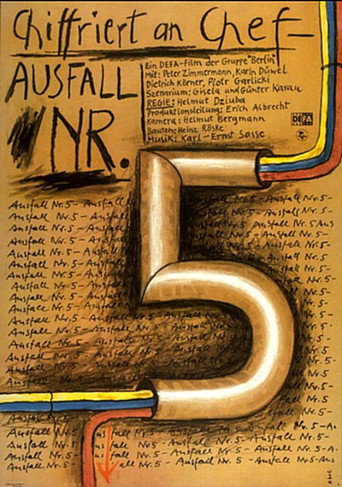
Coded Message for the Boss
Wolf Brandin is in his mid-twenties and lives with his wife and child in East Berlin at the end of the 1950s. In West Berlin, the student of electrical engineering is recruited by the American secret service CIA. But Brandin immediately notifies the State Security of the German Democratic Republic and from then on lives a dangerous life as a double agent. When Brandin reaches the breaking point, his marriage starts to unravel because Brandin is not allowed to tell his family about his double life.
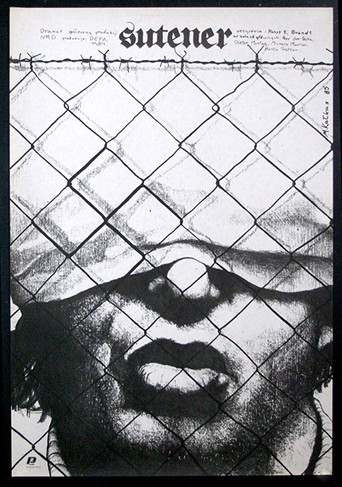
Der Lude
Berlin in the early 1930s. Bello is an unemployed young man who loves the underage Frieda. In order to earn a living for both of them, Frieda goes on the streets. An inspector from the political department takes advantage of this to blackmail Bello into providing informer services. But that's not all. A jealousy murder among pimps, whose victim is a high-ranking Nazi, is blamed on the Communists, and Bello is supposed to be the key witness. He refuses. When the Nazis come to power, they reopen the case to turn the murdered man into a martyr. Bello still refuses. He now believes he is safe because Frieda is now of age. But he pays for his refusal with his life.
Gallery