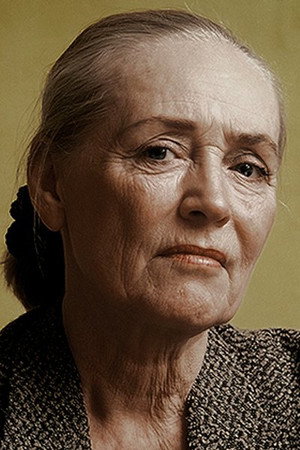
Acting
No biography available.
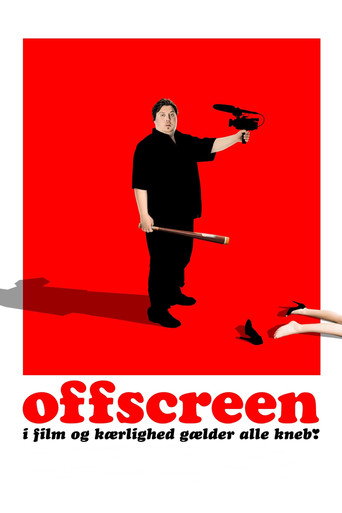
Actor Nicolas Bro reigns supreme in the role of Nicolas Bro – a man intent on making a film about himself. After his director friend Christoffer Boe lends him a camera, his selfmonitoring is so hair-raisingly private that it becomes impossible to separate fact from fiction.
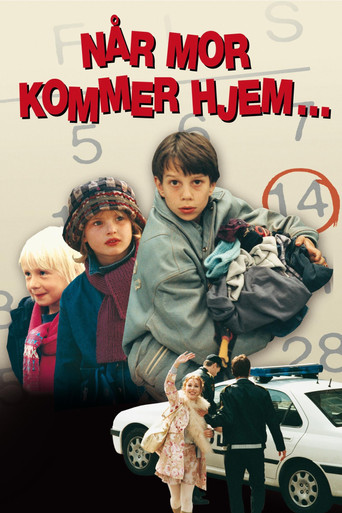
Three siblings ingeniously avoid being sent off to a children's home while their solo-mother serves a short sentence in a prison for shoplifting. Rather than have the news leak out and have to be escorted off with the eccentric welfare officer, they invent a 'never present' dad who is looking after them.
PUK SCHARBAU plays Lise Nørgaard in the epic film adaptation of her fascinating life story. In a chronicle of both love and war, masterfully directed by Peter Schroeder, we follow the woman who would later give us 'Matador', from her early childhood to her controversial career as a journalist with a Denmark of yesterday, and a Europe in flames as convincing backdrop.
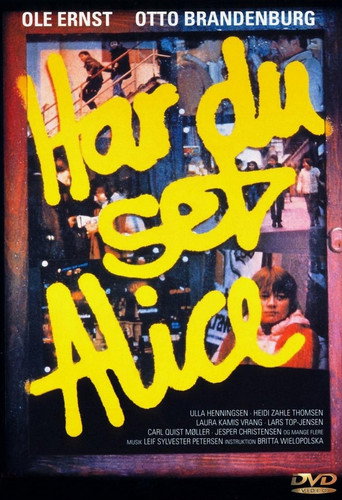
Alice does not live at home but with friends in an abandoned factory. She sells drugs to enable them to fulfill their dream of a tavern. When the police are after her, she seeks Hour switch. Here she meets Berit and helps Berit mother south on vacation. But simultaneously pursues Alice of a drug kingpin but cheating him.
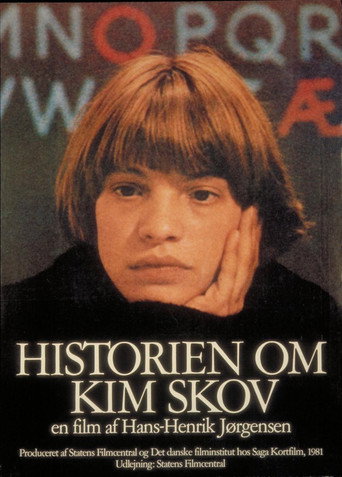
The boy Kim moves with his family from the countryside to a ghetto in a big city. He does not do too well in school, and that makes him an easy victim for the hard core bullies in the new school. When the group leader is moved to a private school, Kim is accepted in the gang - as long as he provides cigarettes for the other members. This of course leads to a confrontation with the school teachers, his family and eventually the gang members.
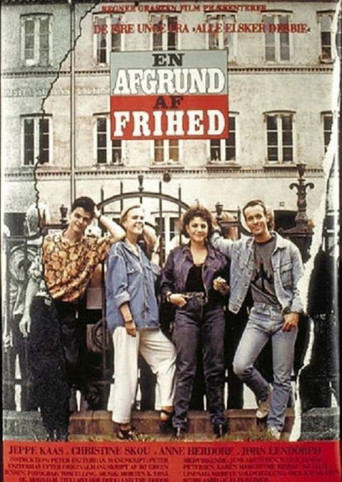
Four young people, two girls and two boys, are about to graduate from high school. Their parents belong to the 1968 generation, so they have never encountered authority or serious demands, but are used to behaving as they see fit. They have a great appetite for life, but also a certain fear of the future. Their lives are only secure on the surface. One experiences a family tragedy, another has become addicted to drugs and ends up committing suicide.
A dramatized account of Denmark's first women's rights activist, Mathilde Fibiger. Based on letters and diaries, it depicts her life and views from the 1850s, when she published the controversial epistolary novel Clara Raphael, until 1872, when she died at the age of only 41.
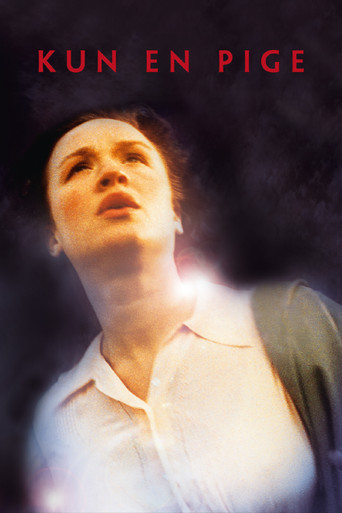
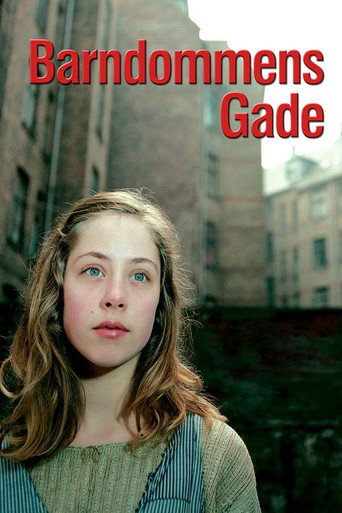
In a small two-room apartment in a backyard in Vesterbro, Copenhagen, 14-year-old Ester lives with her father, mother, and older brother Carl. It is a typical working-class neighborhood of the time, and the apartment lacks any modern conveniences. Coal must be fetched from a dark basement where homeless people have sought shelter and lodging for the night. Ester is a dreamer. She wants to be a writer and secretly writes poetry. She often loses track of time and place when her thoughts wander.