Kamel Mekesser Movies, TV Shows, and Filmography
Kamel Mekesser
Sound
Biography
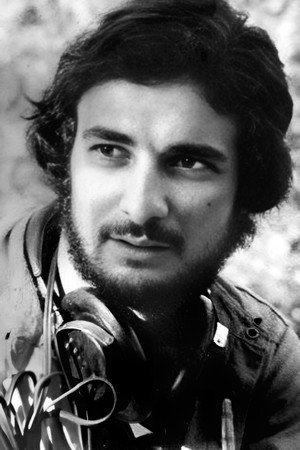
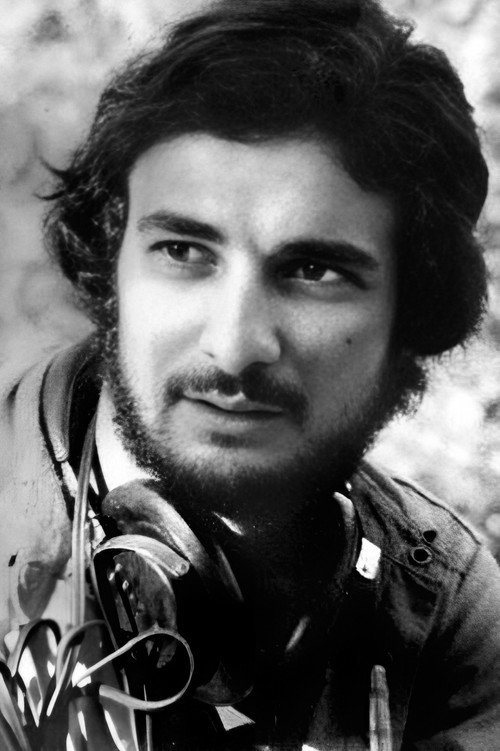
Kamel Mekesser is an Algerian sound engineer, graduated from INA, TDF, CIFAP. He has also been a trainer for more than thirty years at the Algerian television training institute. During the 1970s, Kamel Mekesser was a science student and an assiduous film buff at the Cinémathèque Algérienne.
Filmography Movies
Production
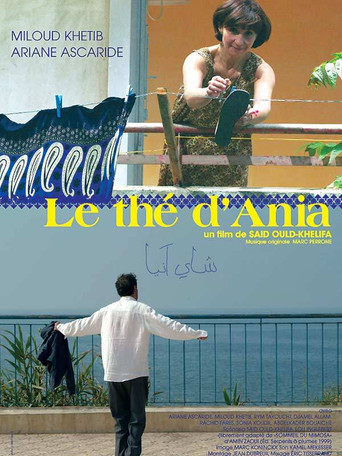
Ania's Tea
Mehdi is an algérien writer that fundamentalist violence has transformed into a potential target. How to live with fear when everything is fear. But also life. Facing Mehdi is Ania, an algerian-born Frenchwoman, the woman next door. She often appears at her window on the court. A disturbing vis-à-vis. Ania will unceasingly try to convert this man to the culture of life, to burning passion. By bringing him tea regularly, risking to often find the door closed...
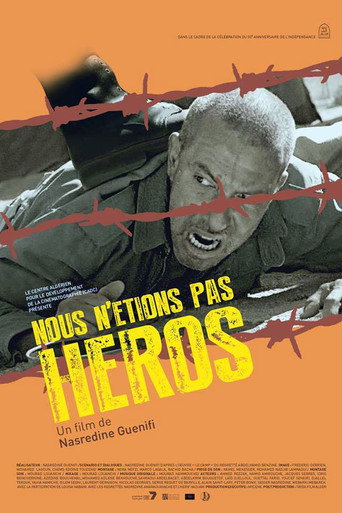
Nous n'étions pas des héros
The city of Lambèse is the scene of torture, both physical and moral, for the resistance fighters of the Algerian War. In the form of a fictional account adapted from the novel "Le camp" by Abdelhamid Benzine, the conditions in the special camps of the colonial army, where we accompany a group of detainees, in their daily life animated by violence are depicted. are former Nazi officers, whose mission is to abandon all resistance, and all ideological faith, through humiliation and drudgery.
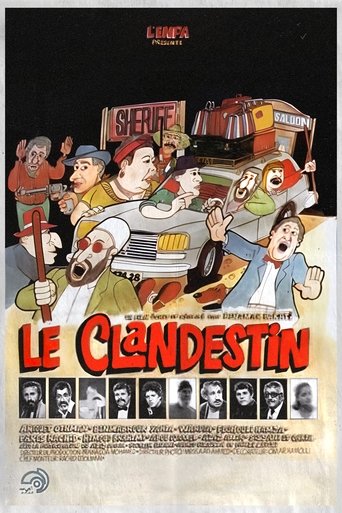
Le Clandestin
Nine people with Abdullah Le Clandestin (Illegal Taxi), in one car, on the way to Algiers.
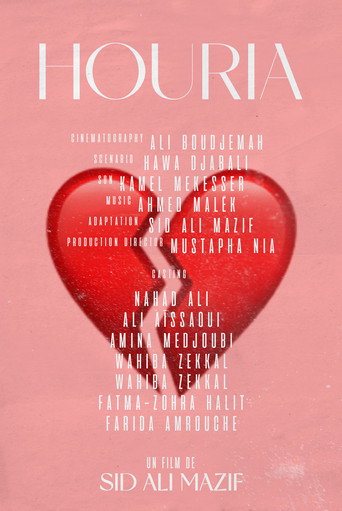
Huria
In the city of Constantine, the thwarted love affair of two students: Houria, fatherless, from a poor and traditional background, and Noureddine, son of a wealthy family influenced by Western lifestyle. Houria's brothers keep a close eye on her and want to marry her off to a first cousin. The young woman runs away and, when she returns home, Noureddine courageously asks her to marry him. But while Houria's family agrees, this time it is the girl who refuses...
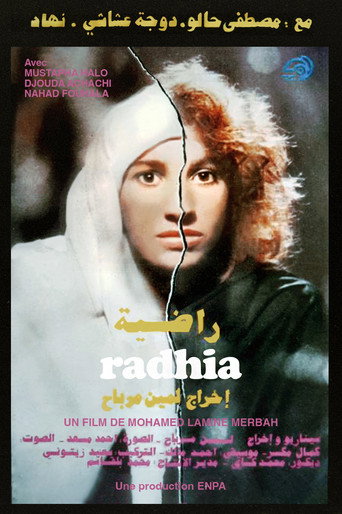
Radhia
The story of a family divided ideologically and politically in Algeria in the 1990s, under the helpless gaze of the mother, played by the brilliant Doudja Achachi, the bearer of centuries-old traditions.
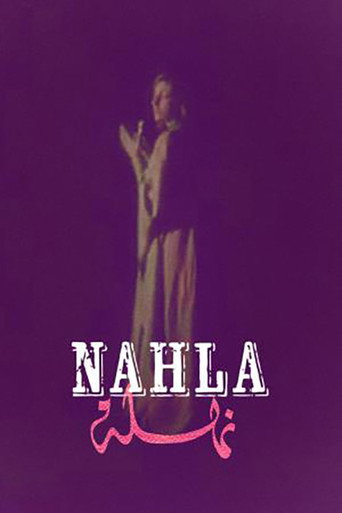
Nahla
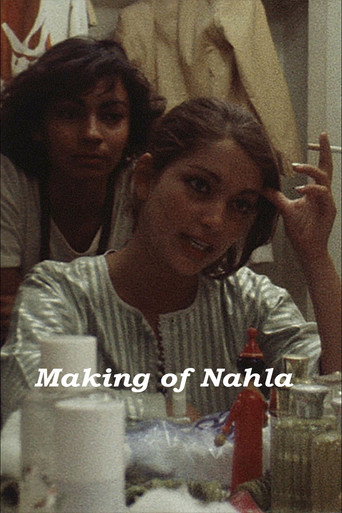
After the battle of Kfar Chouba in Lebanon in January 1975, Larbi Nasri, a young Algerian journalist, was caught in the whirlwind of events preceding the civil war. Linked to Maha, Hind, Raouf and Michel who surround Nahla, he witnesses the construction of the myth of Nahla, a singer adored by the Arab population. One day Nahla loses her voice on stage. The atmosphere of crisis that reigns around her is spreading like an infection. Larbi, fascinated, loses his footing and gets bogged down.
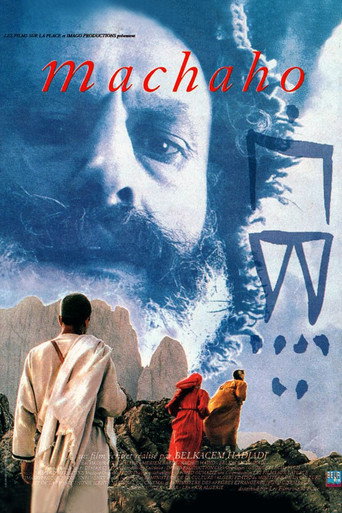
Machaho
In Kabylie, rude mountain region in the north of Algeria. Arezki finds the young Larbi exhausted, buried under the snow. He takes him in and nurses him until he's recovered. The host seduces Arezki's daughter. She is pregnant. This is an unsupportable shame to the father of the female sinner. Arezki claims vengeance. He leaves his house and takes the oath not to come back before having killed Larbi who betrayed him under his own roof.
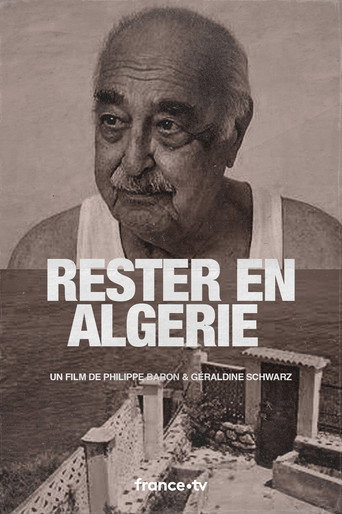
Stay In Algeria
Algeria, summer 1962, eight hundred thousand French people left their native land in a tragic exodus. But 200,000 of them decided to attempt the adventure of independent Algeria. Over the following decades, political developments would push many of these pieds-noirs into exile towards France. But some never left. Germaine, Adrien, Cécile, Guy, Jean-Paul, Marie-France, Denis and Félix, Algerians of European origin, are among them. Some have Algerian nationality, others do not. Some speak Arabic, others do not. They are the last witnesses to the little-known history of these Europeans who remained out of loyalty to an ideal, a taste for adventure and an unconditional love for a land where they were born, despite all the ups and downs that the free Algeria in full construction had to go through.
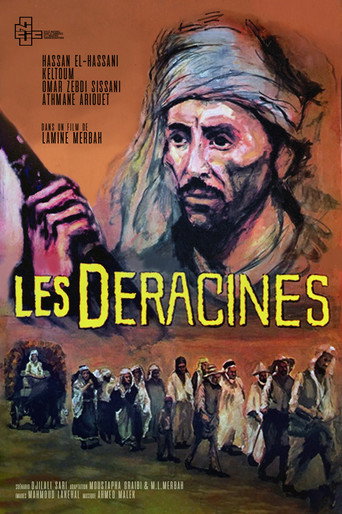
The Uprooted
In 1880, in colonized Algeria, it was decided that the Algerian peasants of the Ouarsenis mountains would see their lands dispossessed in favor of the French colonists. Two methods were used to achieve this, either by sheer force or by a ploy forcing the fellahs to pay fines too high to be paid. The uprooted must then leave for the cities, swelling the mass of proletarians in the slums ...
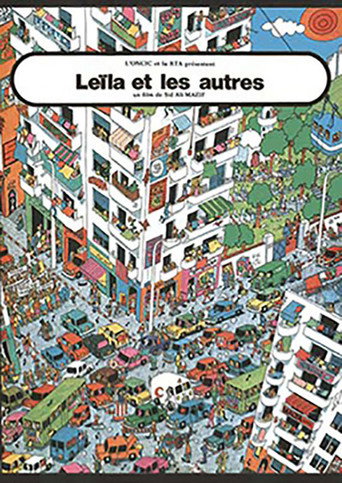
Leila and the Others
The story of Algerian women trying to live in 1970s Algeria where the society is between conservative values and progressive modern Algeria.
Gallery