Editing
Kamal Abul Ela was an Egyptian film editor.
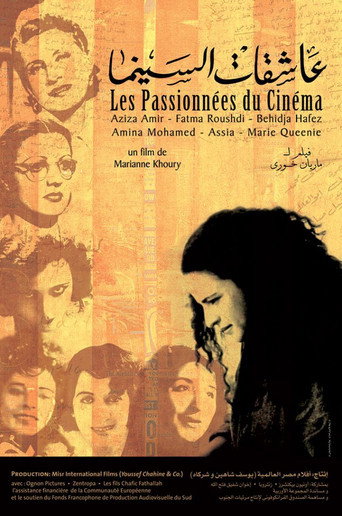
Six strong-willed women whose adventurous streak changed the face of film industry in early twentieth century Egypt – a time when the country was, despite the liberal ripples, still steeped in conservative tradition. The film shows how these women, different as they were in class and social background, broke taboos and dismissed conventional wisdom to fulfill their overpowering passion for filmmaking. Women Who Loved Cinema takes us to the past and brings us, seamlessly, to the present day. Aziza ... Fatema ... Behidja ... Amina ... Assia … Mary... theirs is a story that will remain indelibly etched in the memory of Egyptian cinema.
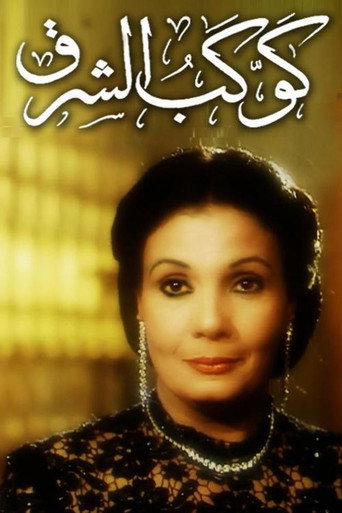
The film presents a part of the biography of legendary artist Umm Kulthum since 1944, shedding light on her unfinished romance like her relationship with King Sharif Sabri's uncle, and Ahmed Rami. And her role in the revolution of 1952 and after the defeat of 1967 and the sacrifices she made.
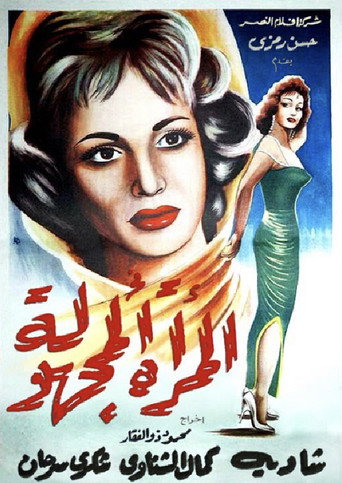
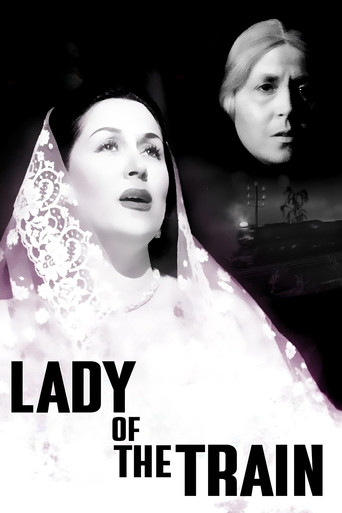
Ahmed likes Fatima, and feelings of love grow between the two, imagining that they are from noble families. A love story develops, and Ahmed asks Fatima to marry him. After the wedding, they have a son named Samir. One day, Fatima goes to visit Suad at her home, but the police raid the place because it is suspicious. Fatima is arrested, and her life is turned upside down.
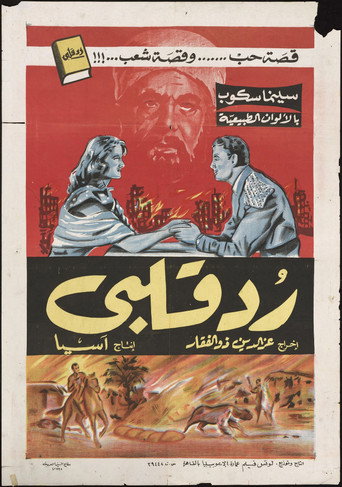
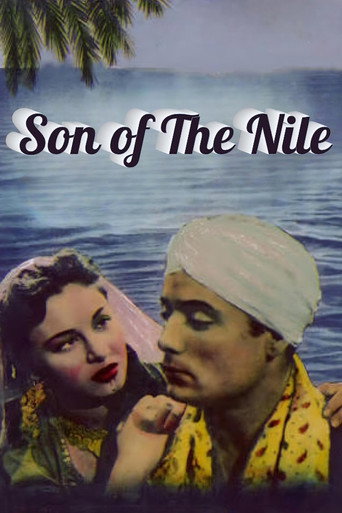
Ragab, a poor sailor, returns home to Alexandria after three years of absence, during which he tried to save money to marry his one true love, Hamedah. But there's trouble on the harbor, and with an old friend.
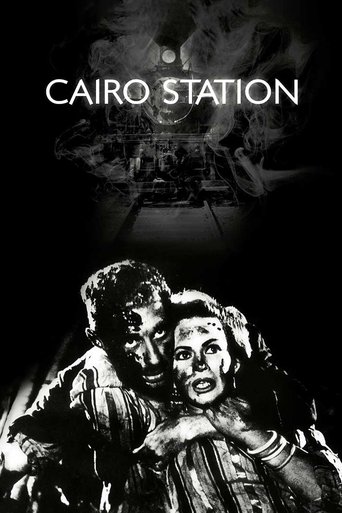
Qinawi, a physically challenged peddler who makes his living selling newspapers in the central Cairo train station, is obsessed with Hanuma, an attractive young woman who sells drinks. While she jokes with him about a possible relationship, she is actually in love with Abu Siri, a strong and respected porter at the station who is struggling to unionize his fellow workers to combat their boss' exploitative and abusive treatment.
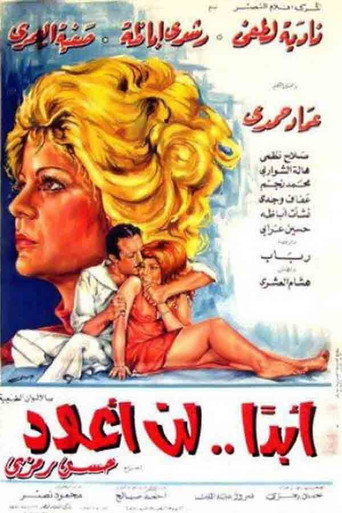
Dr. Ahmed falls in love with the young girl (Souad) who saved his child Essam from drowning, so that the relationship between them develops and Souad becomes pregnant with him, so he is forced to marry her, and he is forced to inform his wife (Hoda), who decides to leave and travel outside the country, before what happens that changes the course of events .
In Egypt forties and before the 14th of July revolution in 1952, a poor family lives in a prince's palace where the father works as a gardener. The family has two children Ali and Hassan. Ali grows up liking the prince's daughter who loves him too. Now grown ups, they realize how impossible this love story is. Joining the army, Ali fights in Palestine while the brother joins the police and is part of the King's guards. Ali gets back from Palestine and joins the secret military movement that will soon rule Egypt, The Free Officers. The revolution starts and the Free Officers are now in charge, putting Ali against his brother as a guard for the king and also against his lover, the prince's daughter as the revolution will confiscate all her family's wealth.
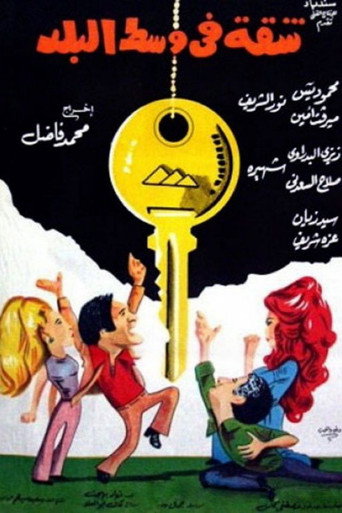
In a representation of the housing problem in Egypt, a group of friends reunited by their search for an apartment encounter different problems as Kamal is looking for a place to turn into an art studio and Sherif is trying to find a place where he and his wife can live.
A brother disagrees with his sister which makes her move to live with her older sister in the countryside. She finds her sister living a harsh life and when the brother goes to visit them, he's surprised by the strict way imposed by the sister at home.
Fikria is a singer who's married to Farid ,the gambling addict. When she's traveling by train, she gets in an accident and a peasant treats her. After she returns home,her husband asks her to stay hidden to get the insurance money to pay for his gambling debts.
Hemaidah is a Farmer who hates country life. He hates working in fields and taking care of the animals in his farm. Though unsatisfied with her, he marries Zebeidah, a woman in the same village.