K.L. Saigal Movies, TV Shows, and Filmography
K.L. Saigal
Acting
Biography
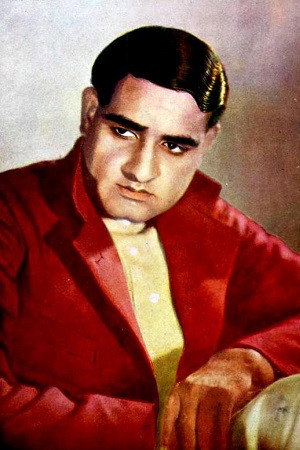
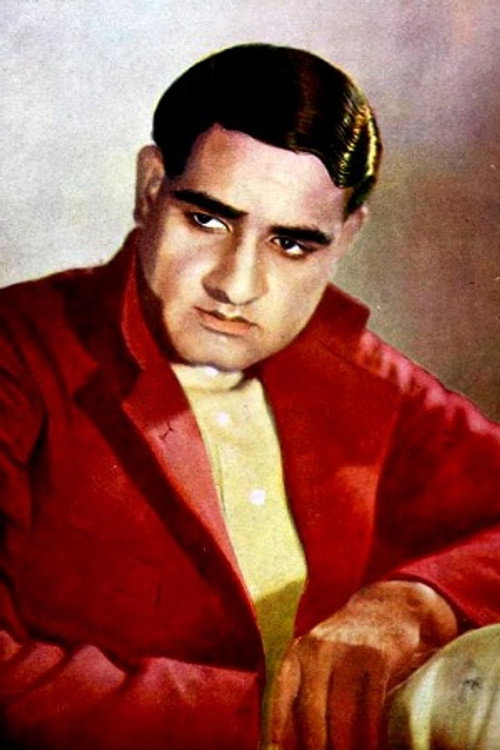
Kundanlal Saigal, often abbreviated as K. L. Saigal, was an Indian singer and actor who is considered the first superstar of the Hindi film industry, which was centred in Kolkata during Saigal's time, but is currently centred in Mumbai. Saigal's unique voice quality which was a mixture of baritone and soft tenor was the benchmark for most of the singers who followed him. In fact it remains the gold standard even today shining through a very early and practically primitive recording technology.
Filmography Movies
Acting
Roop Lekha
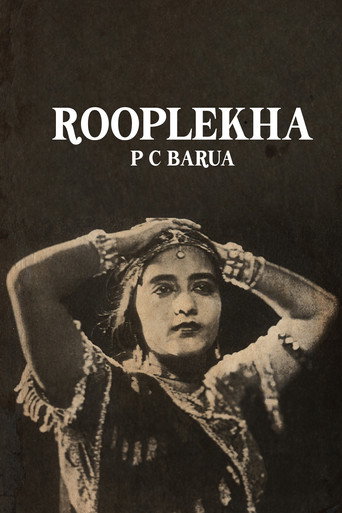
For the first time in Indian cinema, flashback was used for storytelling.

Zindagi
The story of an unemployed graduate who falls in love with a woman who ran away from her cruel husband.

Tadbir
A man's birth is foretold by an astrologer: he will follow a prostitute, wield a knife, and face the gallows. These prophecies come true in unexpected ways, as he finds salvation through a sacrificing prostitute, becomes a surgeon, and battles personal demons, all while grappling with destiny.

The Devoted
The legend of Prince Puran, born under King Silwan of Sialkot's curse which binds his parents never to set eyes on him until he is 16. Accused of leading a debauched life by an evil general and by the king's second wife, Puran is sentenced to death. Rescued by the mystic Gorakhnath, he becomes an ascetic. When the king is overthrown, Purna rises from his meditations to depose the general who has seized power, before returning to his life of renunciation.

Bhakta Surdas
Surdas, a blind poet, embarks on a spiritual journey. He transforms into a revered saint, dedicating his life to crafting devotional poetry for Lord Krishna.

Shahjehan
Shahjehan (a raw Rehman in one of his first releases) is approached by a Rajput chieftain, Jwala Singh, narrating the plight of his foster daughter, Ruhi (Ragini), who is blessed with unheard of beauty. This gives rise to an army of suitors, who indulge in violence to prevent her from getting married by scaring her to-be grooms. Her beauty, confined to four walls of Jwala's haveli becomes part of folklore, and street gossip, through the poetry of Sohail (Saigal) who accidentally catches her glimpse, and falls in love with her.

Devdas
Devdas, the son of a zamindar, and Parvati, his neighbour's daughter, are childhood sweethearts. However, class and caste differences prevent their marriage. Devdas is sent off to Calcutta, while Paro is married off to an aged rich widower. In Calcutta, as remorse drives him to alcohol, Devdas meets Chandramukhi, a tawaif.

Bhanwara
Two friends, a singer and a wrestler-in-training, fall for two sisters while navigating job hunts and comical living arrangements in the city.

President
Badi Bahen aka President is a 1937 Hindi social romantic drama film (the Bengali version was called Didi and starred several different actors). The story according to the credit roll of the film is "A tale of love and greater love" developed on an idea by M. M. Begg. It was a love triangle with a social content that highlighted the conditions of the mill workers. It was also the first film to show a liberated educated woman managing her own factory
Street Singer
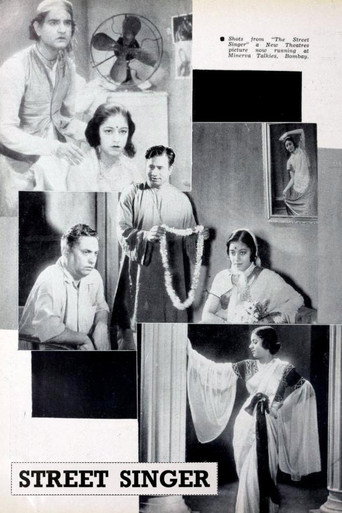
Two street urchins dream of singing and making it big in the glamorous world of theatre in Calcutta.
Production
Tadbir
A man's birth is foretold by an astrologer: he will follow a prostitute, wield a knife, and face the gallows. These prophecies come true in unexpected ways, as he finds salvation through a sacrificing prostitute, becomes a surgeon, and battles personal demons, all while grappling with destiny.

Station Master
A railway employee, Kalicharan, would like Usha, the Station Master of Rangpur Railway Station's daughter, to get married to Niranjan, the DTS of Indian Railways, but Usha has fallen in love with Arun, a Guard with the Railway, wants to marry him, and refuses to marry Niranjan, who is twice as old as her and a widower as well.
Didi
A famous Saigal musical narrating a strange love story set against 1930s industrialization and worker-management relations. The 16-year-old Prabhavati inherits a mill and turns it into an extremely profitable enterprise. Prakash is a worker who designs a more efficient machine for the factory for which he first gets sacked and then is re-employed. He falls in love with Prabhavati's sister Sheila, who later makes way for Prabhavati who is also in love with Prakash. Her withdrawal distresses Prakash, causing him to bully the workers who then go on strike.
Gallery