Juraj Herz Movies, TV Shows, and Filmography
Juraj Herz
Directing
Biography
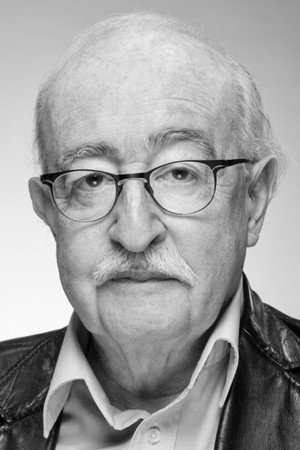
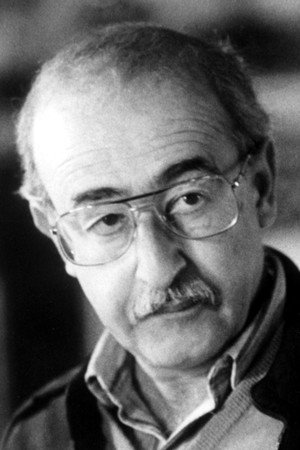
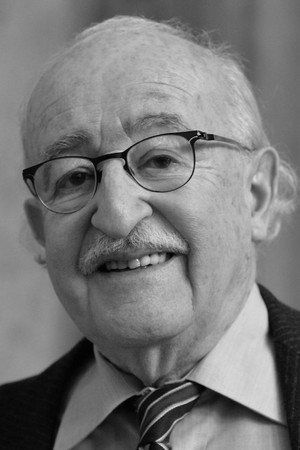
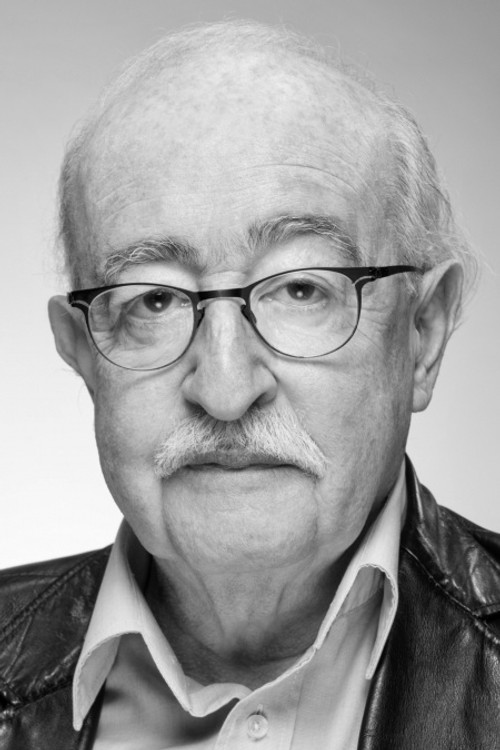
From Wikipedia, the free encyclopedia Juraj Herz (4 September 1934 – 9 April 2018) was a Slovak film director, actor, and scenic designer who was born when Kežmarok was a part of Czechoslovakia. He has directed for both film and television; and in the latter capacity, he has directed episodes of a joint French-Czech television series based on the Maigret novels of Georges Simenon. His 1971 film Petrolejové lampy, was entered into the 1972 Cannes Film Festival. His 1976 film Den pro mou lásku was entered into the 27th Berlin International Film Festival. He died on 9 April 2018, aged 83.
Filmography Movies
Acting
The Flat
A man is trapped in a sinister flat, where nothing seems to obey the laws of nature.
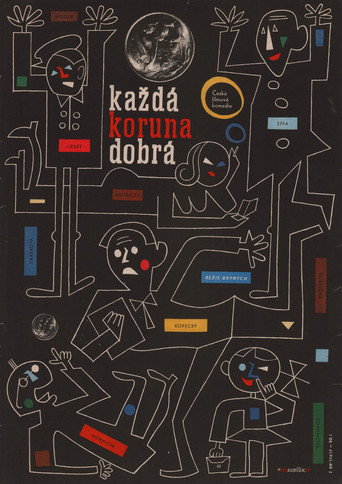
Every Penny Counts
After inheriting a villa from his uncle, Emil Tuma meets its strange inhabitants, getting him in trouble.
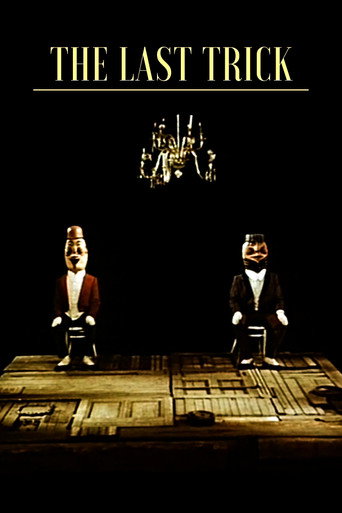
The Last Trick
Two magicians, Mr. Schwarzwald and Mr. Edgar, try to outdo each other in performing elaborate magic tricks, leading to a violent ending.
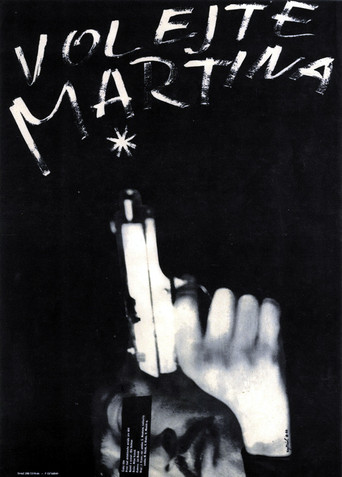
Volejte Martina
The series of children's films about Detective Martin, who intervenes in cases involving children, begins with this film. It consists of two short stories: in the first ("Three Bottles"), the young hero, escaping from an orphanage, gets involved in a robbery of postage stamps..., in the second ("Flying Carousel"), the children fight a dishonest owner of fairground rides...
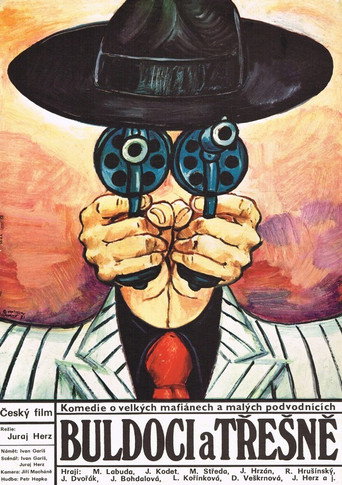
Bulldogs and Cherries
The dreaded Italian mafioso, Marian Labuda, will also be convinced. Mafioso Carmello was guilty of the principles of his organization when he tried to fool the boss and earned a death sentence. The convict runs away from the killer through Vienna to Prague, which his Austrian colleague in crime recommended as a safe hiding place. None of them knows that the Czechs learned so much tricks under real socialism that a seasoned Italian professional is not enough to watch.
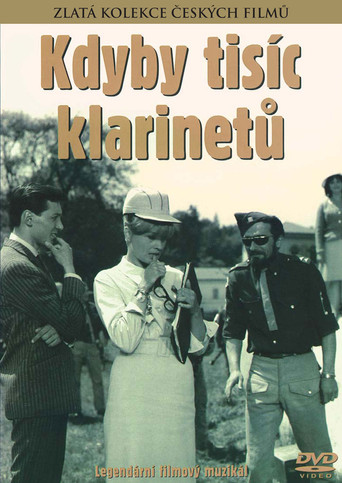
If a Thousand Clarinets
A military base. An awkward soldier. A statue of Bach. And suddenly all guns in the area change into music instruments. Great mystery is immediately found by TV station. And soon the military base becomes a stage for huge TV show.
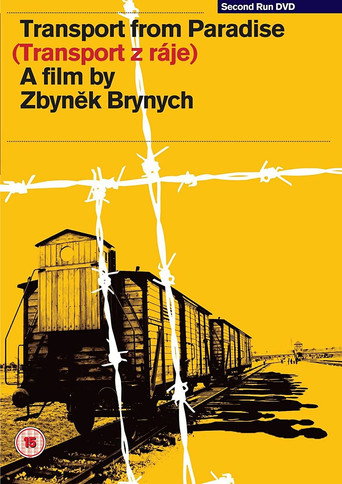
Transport from Paradise
Czechoslovakian Zbynek Brynych directs this psychological drama set in World War II Terezin ghetto. A dark, visual portrayal of the trials and tribulations the Theresienstadt people faced on a daily basis presented in a series of memorable stories. Their hopes and dreams unfold against the perpetual threat of deportation (or worse) by the Nazis. Based on the novel "Night and Hope" by Arnost Lustig.
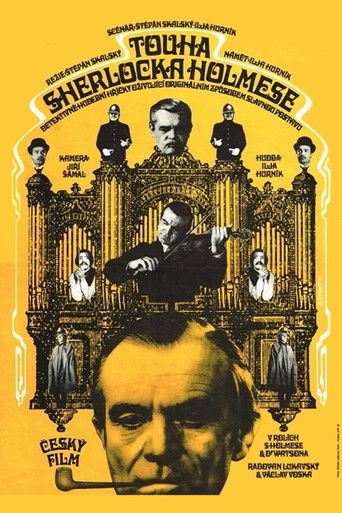
Touha Sherlocka Holmese
Sherlock Holmes likes to play violin and expects a great career in music. He gets a place in a spa orchestra, but he is again and again distracted by criminal cases. Therefore he is the only one who does not see that his violin has no future. He solves the criminal mysteries in passing but the final test shows that the famous detective is tone-deaf.
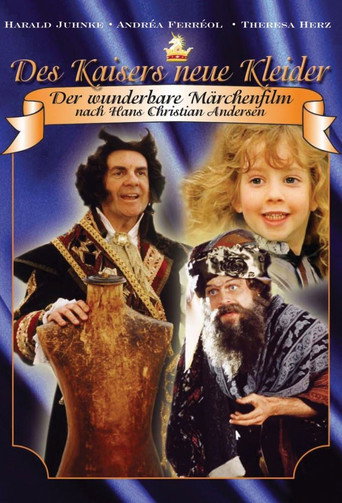
The Emperor's New Clothes
The Emperor of a European country demands new clothes to wear every day, in fact sometimes several times a day. He imposes a heavy tax on the poor citizens to pay for his vanity. An itinerant man and boy come to the capital city and see the injustice, and make friends, but they soon have to flee. They return disguised as Arab tailors, and offer to make the Emperor a new suit of clothes. But only the wise will be able to see it; fools, or those unfit for their public office, will not see anything. The Emperor orders the suit made, and much money is needed to purchase the raw materials. Eventually the suit is ready, and the Emperor and his officials pretend that they can see a wonderful outfit; will anyone prick the bubble of the illusion?
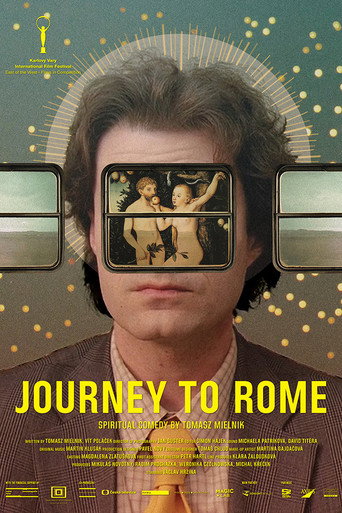
Journey to Rome
The day’s work never ends for a guard worth his salt, even when the gallery closes at seven. And Vašek is a perfect example, at least until he meets Ginger – a femme fatale who has her own plans where he’s concerned. Love turns this nice lad into a thief: armed with a false moustache, sunglasses and a stolen painting, he gets on a train and it remains to be seen whether or not his journey to Rome is paved with good intentions. The train compartment is full of passengers keen to impart their life stories – to him or to anyone who’ll listen. The withdrawn young man pays close attention to it all, even though he has plenty to worry about as it is. The police and a bunch of crooks are hot on his heels and it’s difficult trying to give them the slip with a hefty painting in tow.
Production
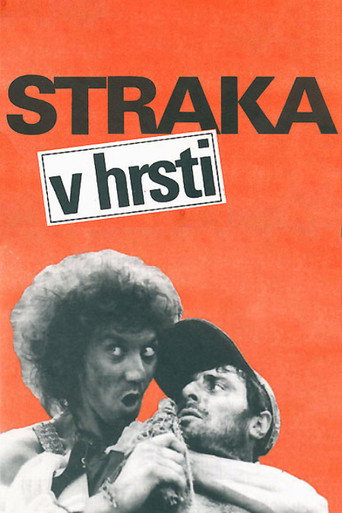
The Magpie in the Wisp
In the film, the creative forces of personalities from three spheres of art collide. The subtitle "The Game of Love and Hate" refers to the motivation of an old Czech medieval satire, the theme belongs to Antonín Přidal, an expert on this subject. His collaboration with Juraj Herz created a collage of past and present, an updated, sharp satire and a parable about the clash of human qualities that could not but end up in the vault. The music of the Prague Selection - Michael Kocáb and Michal Pavlíček - also contributed to the film's offensive provocativeness - the film was one of the reasons for their complete move to the underground. The dancing chorus of medieval citizens resembles more of a jumble of long-haired maniacs, the edge of a contemporary dump intrudes into the space of a medieval marketplace, and the characters oscillate between the past and the present, whether in their appearance, symbolism or behaviour.
Don't Take Shelter From The Rain
A youthfully enthusiastic teacher tries to raise the standard of living of the residents of a declining border village... A sympathetic young man with a suspended sentence was Josef Abrham's first big role. Miroslav Horníček often told a funny story from the set about his motorcycle rides.
Transport from Paradise
Czechoslovakian Zbynek Brynych directs this psychological drama set in World War II Terezin ghetto. A dark, visual portrayal of the trials and tribulations the Theresienstadt people faced on a daily basis presented in a series of memorable stories. Their hopes and dreams unfold against the perpetual threat of deportation (or worse) by the Nazis. Based on the novel "Night and Hope" by Arnost Lustig.
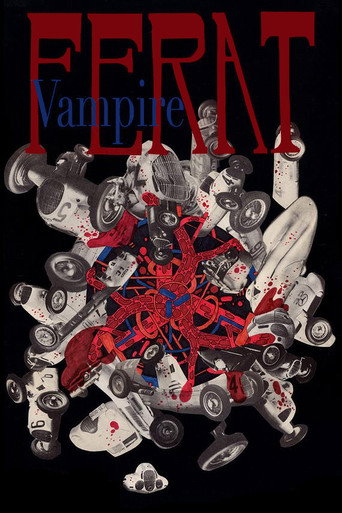
Ferat Vampire
A doctor is shocked when his beloved colleague Mima signs a contract with foreign car manufacturer Ferat, in order to work for them as a rally-driver. A scientist convinces him that human blood is being used as fuel for Mima's ever winning car, but does that really work?
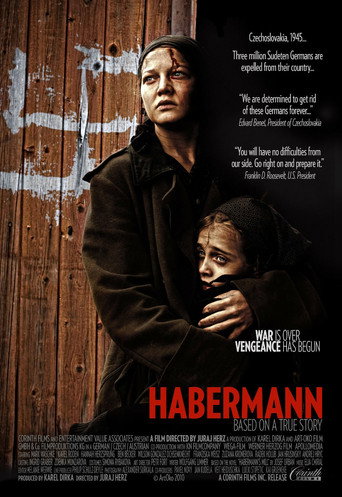
Habermann
A story set in a small village in Sudetenland between 1937 and 1945. "Habermann" is based on true events.
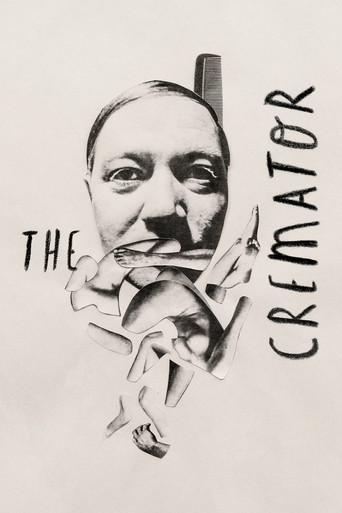
The Cremator
In 1930s Prague, a Czech cremator who firmly believes cremation relieves one from earthly suffering is drawn inexorably to Nazism.
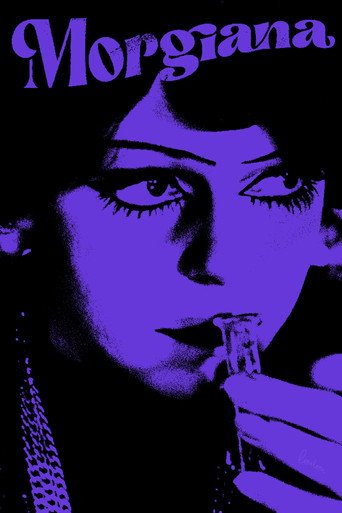
Morgiana
Jealous of her vapidly "good" sister's popularity, poisonous Viktoria doses pretty Klara's tea with a slow-acting fatal substance. As the latter grows hysterically weak, the former finds success increasingly compromised by guilt, blackmail, and the pesky need to kill others lest she be exposed.
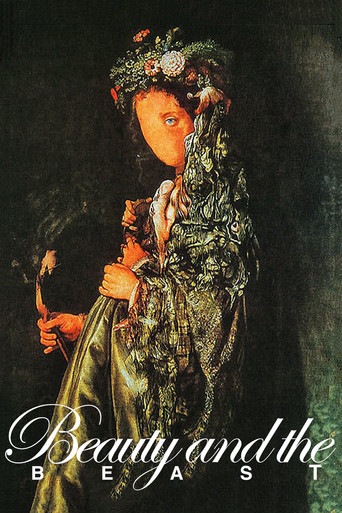
Beauty and the Beast
Julie, the youngest daughter of a bankrupt merchant, sacrifices her life in order to save her father. She goes to an enchanted castle in the woods and meets Netvor, a bird-like monster. As Netvor begins to fall in love with Julie, he must suppress his beastly urge to kill her.
Bulldogs and Cherries
The dreaded Italian mafioso, Marian Labuda, will also be convinced. Mafioso Carmello was guilty of the principles of his organization when he tried to fool the boss and earned a death sentence. The convict runs away from the killer through Vienna to Prague, which his Austrian colleague in crime recommended as a safe hiding place. None of them knows that the Czechs learned so much tricks under real socialism that a seasoned Italian professional is not enough to watch.
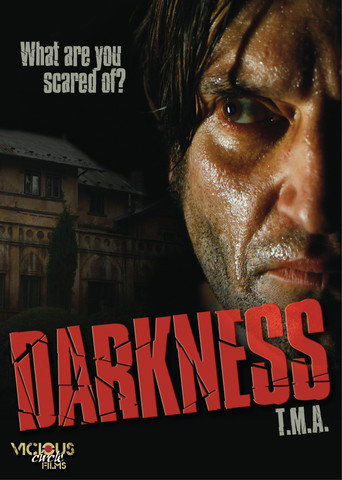
Darkness
A man leaves his busy city life for the peace of the country home where he spent his early childhood. His new life is soon disturbed by strange events.
Gallery