Camera
No biography available.
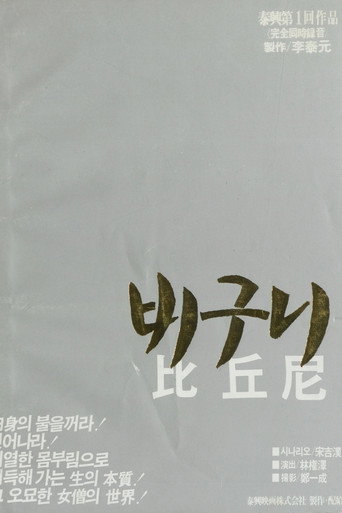
A partially restored version of Director Im Kwon-taek's Bhiksuni, which was halted in 1984 due to opposition from the Buddhist community. It contains the agony of a woman who has converted to Buddhism. The documentary, which is shown together with the partially restored version, contains the story of the production of Bhiksuni told by actress Kim Ji-mi, director Im Kwon-taek, cinematographer Jung Il-sung, and writer Song Gil-han.
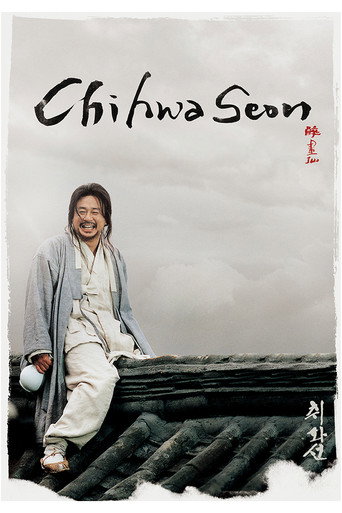
Jang Seung-eop, also known as "Chihwaseon," drinks and paints all day. Through Mae-hyang, he learns the meaning of fate, sees art beyond even the smallest things, and sets out for the path he seeks.
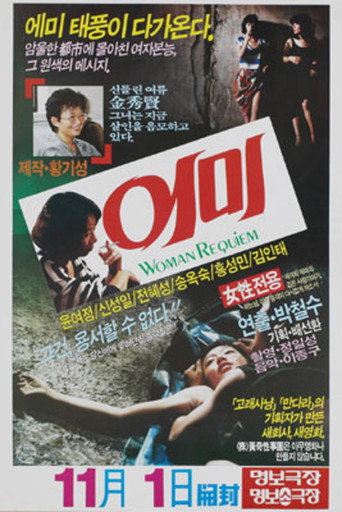
After the rape and subsequent suicide of a college student, her mother takes revenge on those responsible.
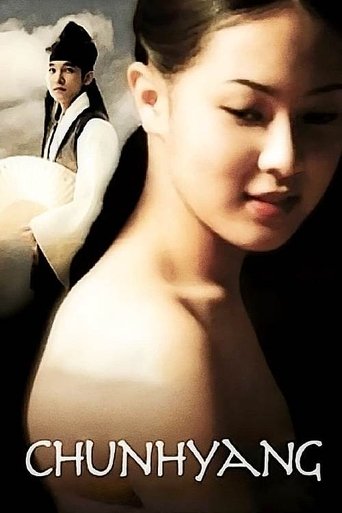
Once at a pagoda Mongryong Lee, a scion of a well-to-do family, meets Chunhyang, the young daughter of a courtesan and an aristocrat. Despite her low social standing she is smart and well-educated. The young people fall in love and think about marriage so that they could always be together. Mongryong is soon to go to the capital to take the state civil service exam. They part and in Chunhyang's life there appears the greedy and lustful Byun Hak-do, who tries to seduce her.
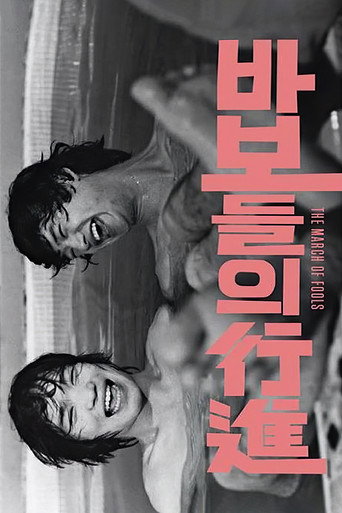
The story is set in the 1970s during the period of military dictatorship. Schools were frequently closed and society seemed to face bleak prospects on all fronts. Nonetheless, Byung-tae, a college student, enjoys pursuing romance in blind group dates. It's during one of these ventures that he meets Young-ja, a French literature student.
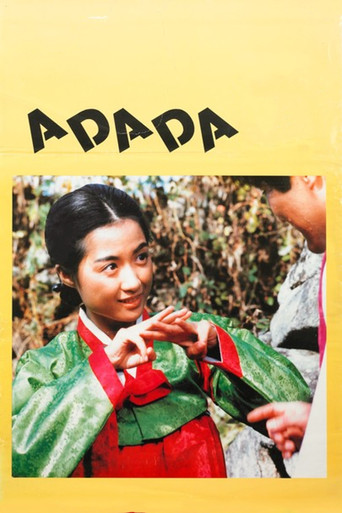
Young-hwan who is the descendant of a fallen noble family takes pure and innocent Adada as his wife. Because of Young-hwan's selfish desires, Adada seeks out her childhood friend Su-ryong. But he, too, becomes a slave to desire. Adada protests and dies by drowning.
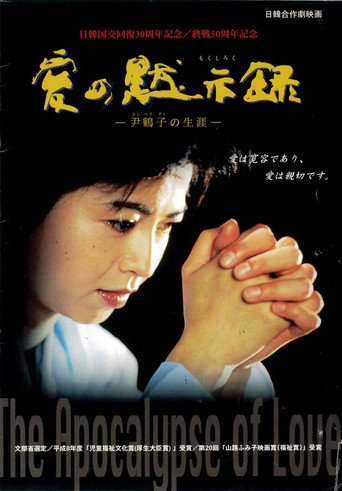
Chizuko marries a missionary in charge of an orphanage in the colony of Korea. After the end of the Pacific War, she is compelled to return to Japan but later returns. When the Korean War breaks out, her husband is arrested for espionage.
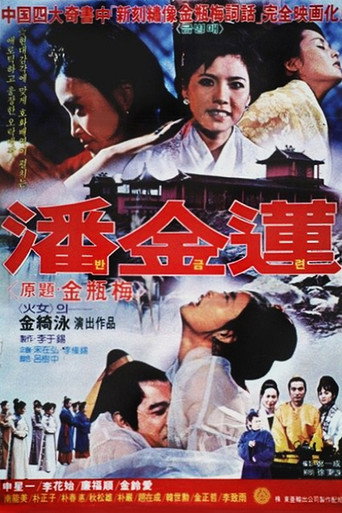
Seo Mun-kyung, a merchant in ancient China where polygamy is legal, monopolizes the salt sales business. The magistrate of the province collapse families of Hwa Ja-heo and Hwang Mu-dae through Mun-kyung. When Ja-heo's wife Byung-ah fakes her death and disappears with Ja-heo, Seo is angered. But when he sees Mu-dae's wife Ban Geum-ryun, he is satisfied and this causes Mu-dae to end his own life. Geum-ryun makes Seo's concubines Chun-ae and Kyo-ah lose their sight and she takes Byung-ah to Seo. When Byung-ah has Seo's baby, antagonism and jealousy grows between the two women. Geum-ryun's jealousy kills Byung-ah's whole family and also kills Seo. Geum-ryun chooses to join her husband in death.
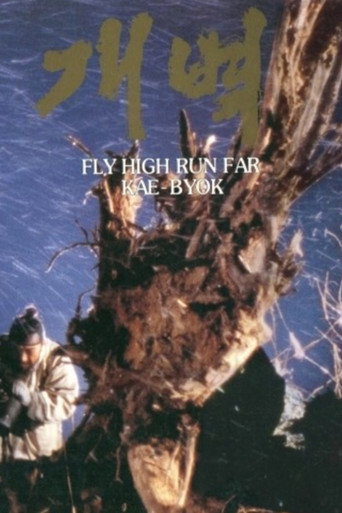
In mid-19th Century Korea, the people of Joseon Dynasty embrace the new religion Donghak. After the founder is executed, Choi Si-hyeong becomes Donghak’s second-generation leader and successfully propagates the religion, but in doing so becomes the object of oppression by the royal court.
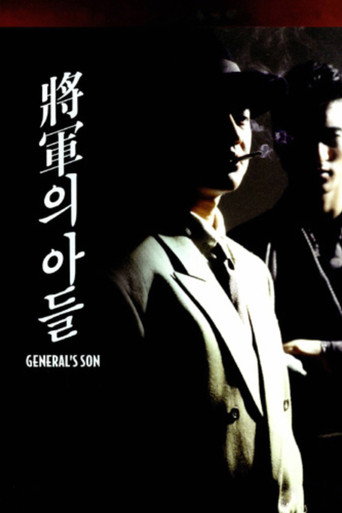
In Japanese-occupied South Korea, a young man, newly-released from prison, is accepted into a gang for his fighting skills and quickly rises to the top. Based on the life of South Korean mobster and politician Kim Du-han.
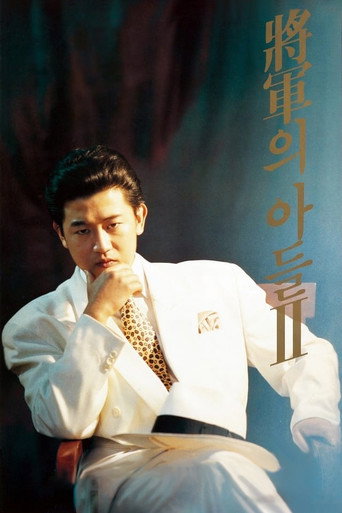
Upon being released from prison, Kim Du-han begins rebuilding his street gang in the face of Hayashi's Yakuzas and increasing Japanese influence.