Julio Solórzano Foppa Movies, TV Shows, and Filmography
Julio Solórzano Foppa
Acting
Biography
Julio Solórzano Foppa is a producer, writer and director from Mexico City. His professional life has been centered mostly around organizing and producing international cultural and artistic events. He has organized several Performing Arts Festivals, among them "The International Festival of the Caribbean Culture” and “Human Rights for the Artistic and Cultural Perspective.” He has been the producer and artistic director of several records, the writer and director of many radio programs, and the producer of two feature films, “Cabeza de Vaca” and “Cronos.” In 2000, he was the first Latin American appointed as a board member of the International Society for the Performing Arts. His mother, Alaíde Foppa, a feminist, poet, art critic and university professor, was kidnapped and disappeared on December 19, 1980, by the Guatemalan Army.
Filmography Movies
Acting
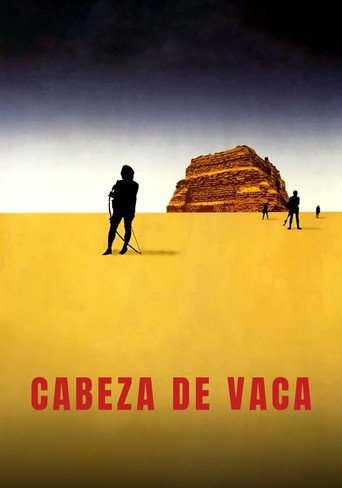
Cabeza de Vaca
In 1528, a Spanish expedition flounders off the coast of Florida with 600 lives lost. One survivor, Alvar Nunez Cabeza de Vaca, roams across the American continent searching for his Spanish comrades. Instead, he discovers the Iguase, an ancient Indian tribe. Over the next eight years, Cabeza de Vaca learns their mystical and mysterious culture, becoming a healer and a leader. But soon this New World collides with the Old World as Spanish conquistadors seek to enslave the Indians, and Cabeza de Vaca must confront his own people and his past.
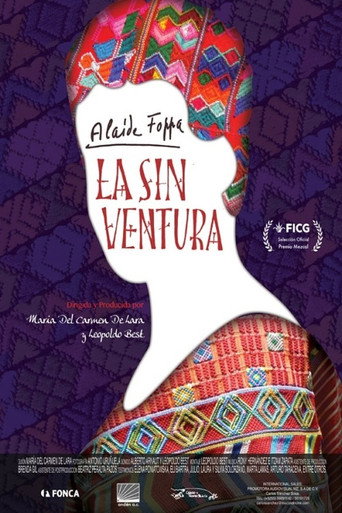
Alaide Foppa Falla, The Unfortunate One
In the course of Alaide Foppa's life, she became a precursor of feminism in Mexico. She was an immigrant who, in her own way, tried to break the molds established by her upper-class upbringing. Her sensitivity and intellectual development made her question matters of social injustice, educational and gender inequalities, the importance of socially-committed art forms and the vindication of democracy throughout Latin America. Her tragic end reveals much about the history of Guatemala.
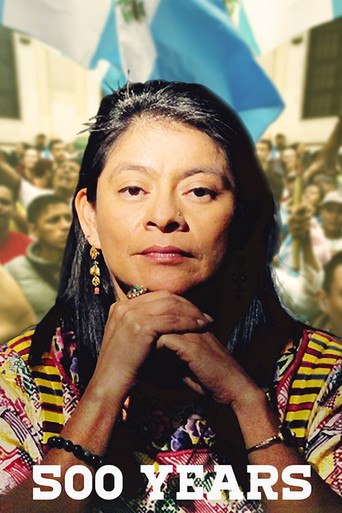
500 Years
From a historic genocide trial to the overthrow of a president, the sweeping story of mounting resistance played out in Guatemala’s recent history is told through the actions and perspectives of the majority indigenous Mayan population, who now stand poised to reimagine their society.