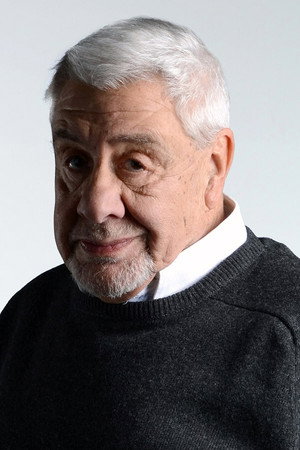
Julio Jung Movies, TV Shows, and Filmography
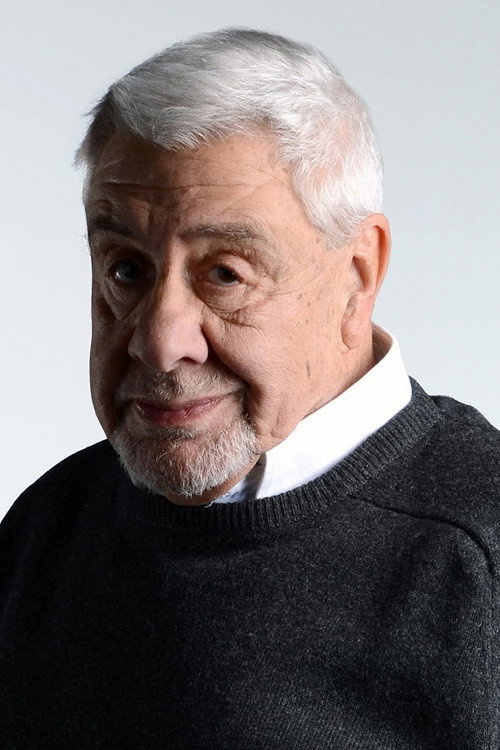
Julio Jung
Acting
Biography
No biography available.
Filmography Movies
Acting
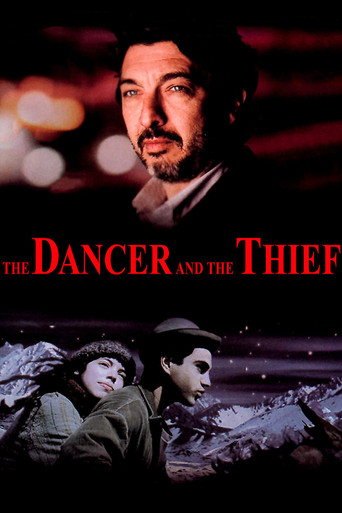
The Dancer and the Thief
Present day. Chile. Legendary bank robber Vergara Grey is getting out of prison after 5 long years and is looking forward to a quiet, uneventful life together with his wife and son whom oddly he hasn't heard from in years. But soon his resolve is tested when he meets 19 year old Angel a young thief who insists the two join up to score the biggest heist of all time. Though tempted, he resists until he finds out that his beloved wife has gone off with a millionaire and his son wants to change his last name. Then Victoria, a graceful and mysteriously mute dancer living in a conservatory, steps into the picture. She captivates Vergara and Angel, as well as all others that cross her path, drastically changing their lives.
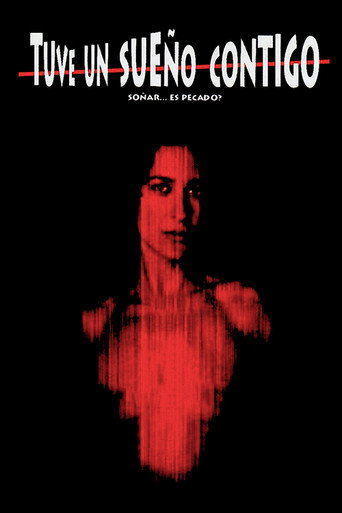
Tuve un sueño contigo
A sucesseful doctor gets involved in an extramarital affair he can't escape.

Mejor estar solo
Hugo is a young man who has been left at the altar, in what was to be a three-day celebration arranged by his manipulative mother-in-law. In addition to keeping up with his overprotective father demands and crossing paths with an ex-girlfriend, he soon realizes that it is better to be alone.
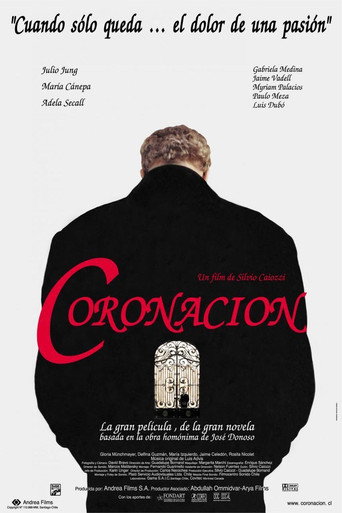
Coronation
The elderly heir of a formerly wealthy and respected Chilean family, Andres, suffers from decadence and solitude. He hires young Estela in order to look after his tiranic and almost crazy grandmother. The differences in class and age don't stop Andres from courting Estela, whose fiancé Mario tries to make some money with the passions of his well-off rival. The suffocating atmosphere of the run-down mansion in the outskirts of Santiago represents the deterioration of the bourgeoisie, and sets the scene for the total collapse of Andres.
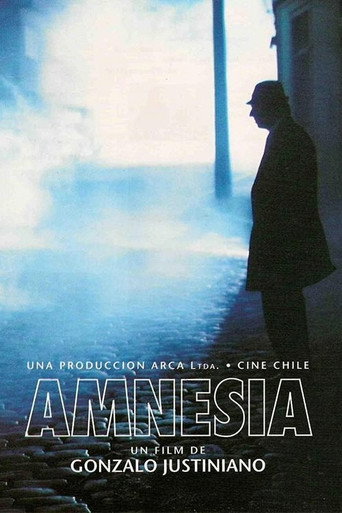
Amnesia
Dreaming of a better life, a young woman leaves her country home and moves to the city where she only finds trouble.

Letters from Santiago
One day before her 18th birthday, Laura Hellmer finds out by chance that her mother Katharina, a renowned political journalist, has lied to her for years: Laura's father was not a Spanish war photographer who died before she was born, but probably lives and is in Chile. Without further ado, Laura sets off for South America to find her true father. While she is in Santiago following in the footsteps of her mother, who once reported on the victims of the Pinochet dictatorship, Katharina travels to her daughter.
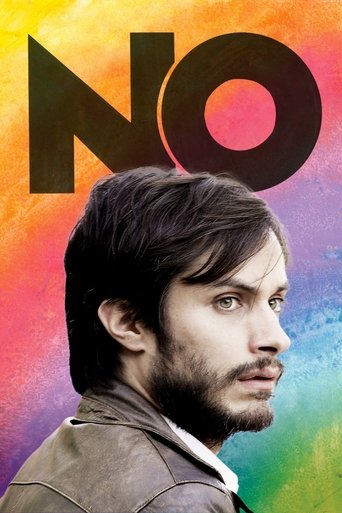
No
In 1988, Chilean military dictator Augusto Pinochet, due to international pressure, is forced to call a plebiscite on his presidency. The country will vote ‘Yes’ or ‘No’ to Pinochet extending his rule for another eight years. Opposition leaders for the ‘No’ vote persuade a brash young advertising executive, René Saavedra, to spearhead their campaign. Against all odds, with scant resources and while under scrutiny by the despot’s minions, Saavedra and his team devise an audacious plan to win the election and set Chile free.
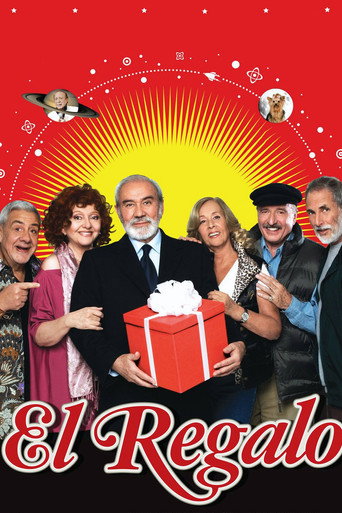
The Gift
A man who has recently lost his wife and forced to retire contemplates suicide. His friends take him on a trip to a senior resort, and invite his former sweetheart.
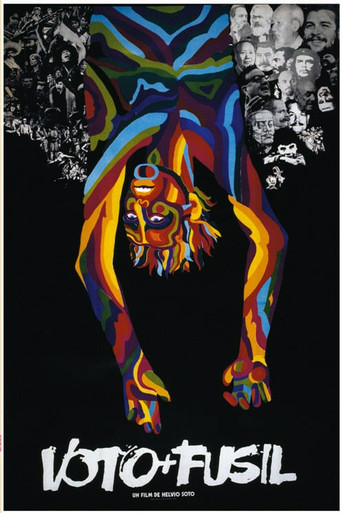
Voto + Fusil
The political evolution in Chile seeing from three different times: 1937, 1947 and 1970. A film that shows how a revolution cannot be accomplished by electoral means, and how the wealthy class will always attempt to destroy that revolution, with the help of the armed forces, as soon as their privileges are threatened.
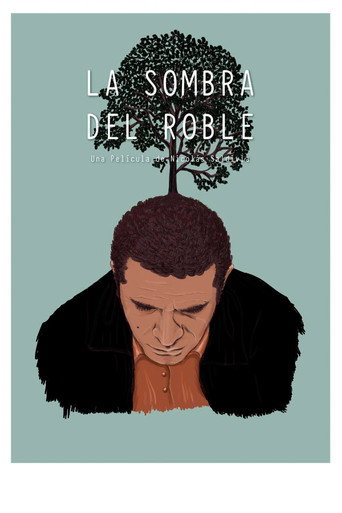
The Oak's Shadow
Jorge, a biology teacher, lost his wife 5 years ago, and has not been able to overcome his grief. His children consider their grandfather Roberto as their main father figure. Everything changes when the latter is diagnosed with Alzheimer's disease, and they have to put him in a rest-home. It is then that Jorge reconsiders his damaged relationship with his father and children.
Gallery