Juliette Gréco Movies, TV Shows, and Filmography
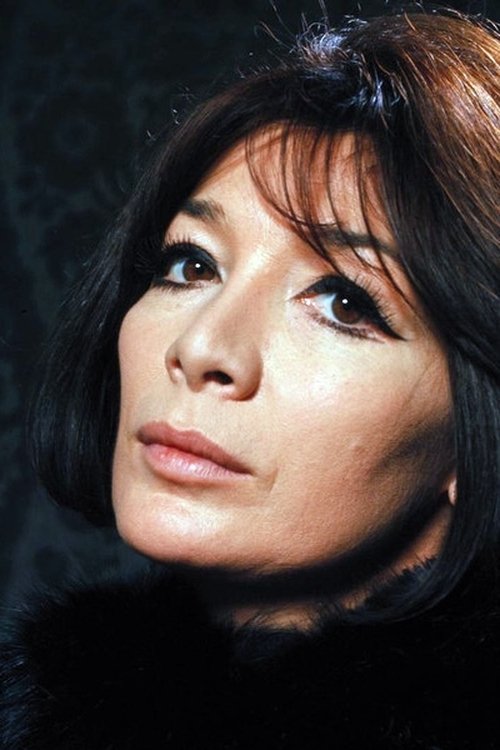
Juliette Gréco
Acting
Biography
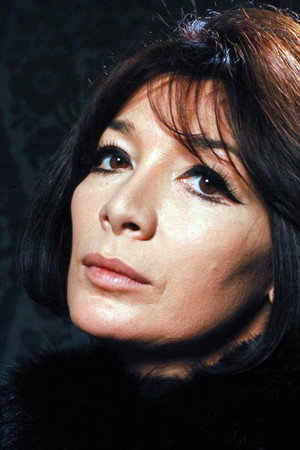
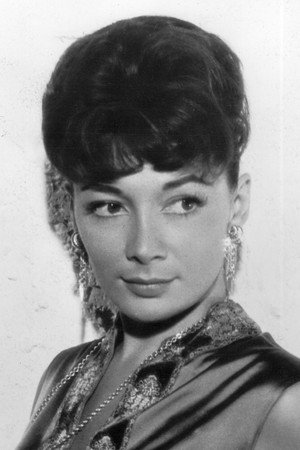
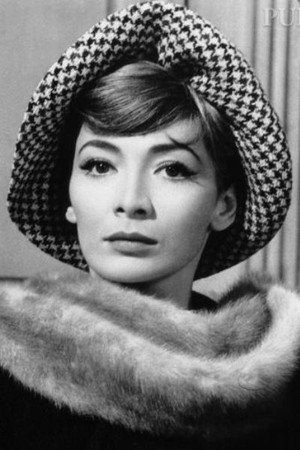
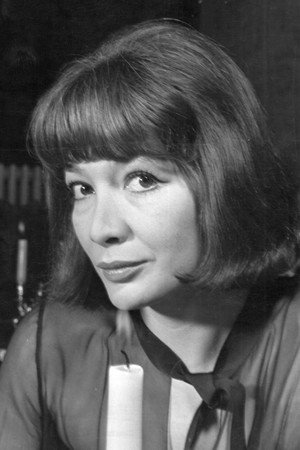
Juliette Gréco (7 February 1927 – 23 September 2020) was a French singer and actress. Her best known songs are "Paris Canaille" (1962, originally sung by Léo Ferré), "La Javanaise" (1963, written by Serge Gainsbourg for Gréco) and "Déshabillez-moi" (1967). She often sang tracks with lyrics written by French poets such as Jacques Prévert and Boris Vian, as well as singers like Jacques Brel and Charles Aznavour. Her 60-year career concluded with her final worldwide tour titled "Merci", which began in 2015. As an actress, Gréco played roles in films by French directors such as Jean Cocteau and Jean-Pierre Melville. Juliette Gréco was born in Montpellier, France, to an absent Corsican father, Gérard Gréco; her mother Juliette Lafeychine (1899–1978) was from Bordeaux. Her lineage hails in part from Greece. She did not receive love from her mother in her childhood and suffered from her harsh comments due to being an unwanted child, such as "You ain't my daughter. You're the child of rape". She was raised by her maternal grandparents in Bordeaux with her older sister Charlotte. After the death of her grandparents, her mother took them to Paris. In 1938, she became a ballerina at the Opéra Garnier. When World War II began, the family returned to the southwest of France. Gréco was a student at the Institut Royal d'éducation Sainte Jeanne d'Arc in Montauban. The Gréco family became active in the Resistance and her mother was arrested in 1943. The two sisters decided to move back to Paris but were captured and tortured by the Gestapo, then imprisoned in Fresnes Prison in September 1943. Her mother and sister were deported to Ravensbrück while Juliette, being only 16, remained in prison for several months before being released. After her release, she walked the eight miles back to Paris to retrieve her belongings from the Gestapo headquarters. Her former French teacher and her mother's friend, Hélène Duc, decided to take care of her. In 1945, Gréco's mother and sister returned from deportation after the liberation of Ravensbrück by the Red Army. Gréco moved to Saint-Germain-des-Prés in 1945 after her mother moved to Indochina, leaving Gréco and her sister behind. Gréco became a devotee of the bohemian fashion of some intellectuals of post-war France. Duc sent her to attend acting classes given by Solange Sicard. She made her debut in the play Victor ou les Enfants au pouvoir in November 1946 and began to host a radio show dedicated to poetry. Her friend Jean-Paul Sartre installed her at the Hotel La Louisiane and commented that Greco had "millions of poems in her voice". She was known to many of the writers and artists working in Saint-Germain-des-Prés, such as Albert Camus, Jacques Prévert and Boris Vian, thus gaining the nickname la Muse de l'existentialisme. Gréco spent the post-Liberation years frequenting the Saint-Germain-des-Prés cafes, immersing herself in political and philosophical bohemian culture. As a regular at music and poetry venues like Le Tabou on Rue Dauphine, she was acquainted with Jean Cocteau, and was given a role in Cocteau's film Orphée (1950). ... Source: Article "Juliette Gréco" from Wikipedia in English, licensed under CC-BY-SA.
Filmography Movies
Acting
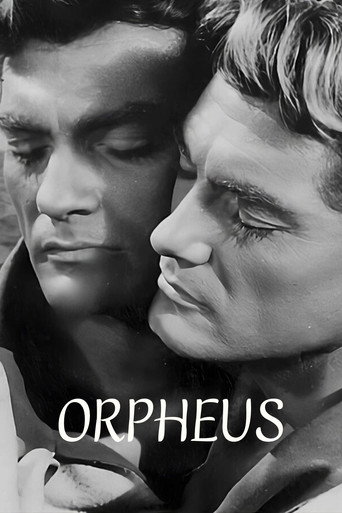
Orpheus
A famous poet in postwar Paris, scorned by the Left Bank youth, is in love with both his wife Eurydice and a mysterious princess. Seeking inspiration, the poet becomes obsessed and follows the princess from the world of the living to the land of the dead.
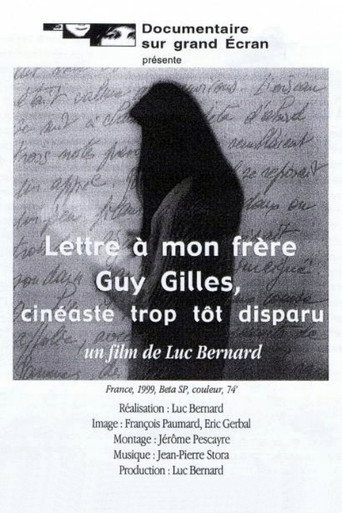
Letter to my brother Guy Gilles, filmmaker who passed away too soon
Posthumous tribute paid by actor Luc Bernard to his older brother, director Guy Gilles ( 1938 - 1996 ). Documentary composed of interviews with some of his brother's friends and some actors from his main films, excerpts of which we see.
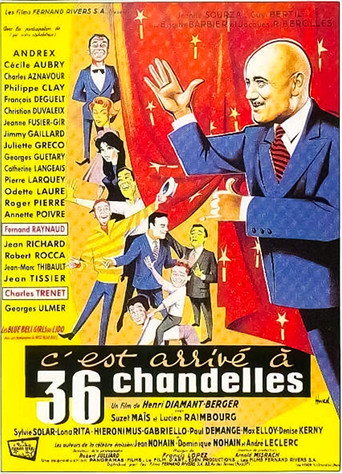
It Happened on the 36 Candles
Rejecting the union of her daughter Brigitte with a modest worker, Madame Magnin invents an adultery for the lover, then introduces Brigitte to a good-looking man working on the famous RTF entertainment show 36 Chandelles. The show ultimately seals the reunion of the two estranged young lovers. The story features a parade of music-hall stars from the era: Charles Trenet, Charles Aznavour, Georges Guétary, Juliette Gréco, Roger Pierre and Jean-Marc Thibault, Fernand Raynaud, Georges Ulmer and many more.
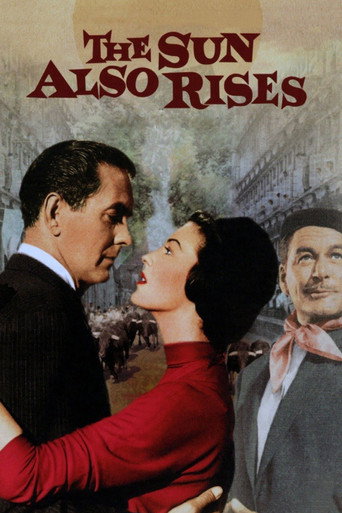
The Sun Also Rises
A group of disillusioned American expatriate writers live a dissolute, hedonistic lifestyle in 1920's France and Spain.
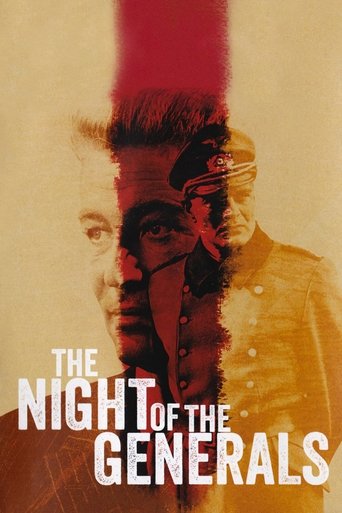
The Night of the Generals
A German intelligence officer investigates a prostitute's killing in Warsaw during World War II. He lands on three major Nazi generals as suspects, two of whom are also involved in a plot to kill Adolf Hitler.

The Green Glove
In World War II France, American soldier Michael Blake captures, then loses Nazi-collaborator art thief Paul Rona, who leaves behind a gem studded gauntlet (a stolen religious relic). Years later, financial reverses lead Mike to return in search of the object. In Paris, he must dodge mysterious followers and a corpse that's hard to explain; so he and attractive tour guide Christine decamp on a cross-country pursuit that becomes love on the run...then takes yet another turn.
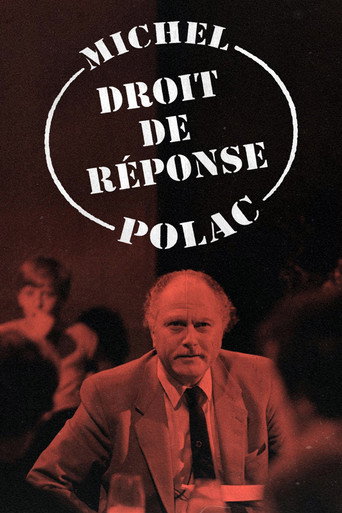
Droit de Réponse
"Droit de Réponse" (Right of Reply) is a French debate program broadcast between December 12, 1981 and September 19, 1987 on the TF1 channel, presented by Michel Polac and produced by Maurice Dugowson. Broadcast live on a weekly basis, on Saturdays from 8.30 p.m., the right of reply has been the source of many controversies, due to the various speakers who have come to present their point of view on the show (which leads to famous scandals , remained in the memory of viewers), but also for the variety and relevance of the topics covered, which ensured the success of the program on the air for several years. On French television, this program is considered by some observers as a “pioneer program in terms of controversy-show or clash, in modern language”.
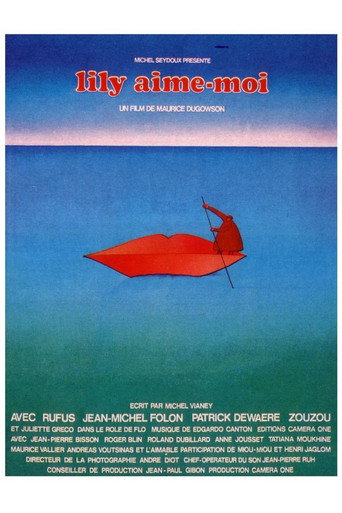
Lily, aime-moi
Everything starts when a journalist François decides to investigate the world of working class people. He gets into the lives of Claude, a worker and his wife Lily who has left him.
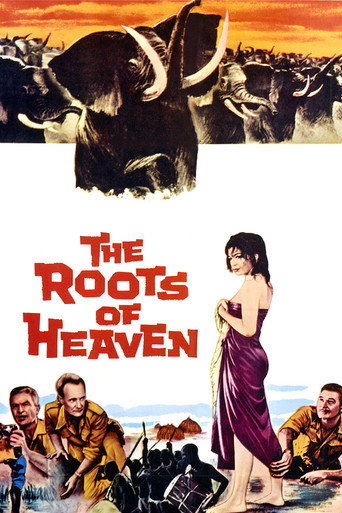
The Roots of Heaven
In French Equatorial Africa, an idealist campaigns to save the African elephant, gaining support from a nightclub hostess and an ex-soldier. His cause attracts a mix of characters, including a U.S. commentator, a government aide opposed to him, and an ivory hunter with conflicting interests.
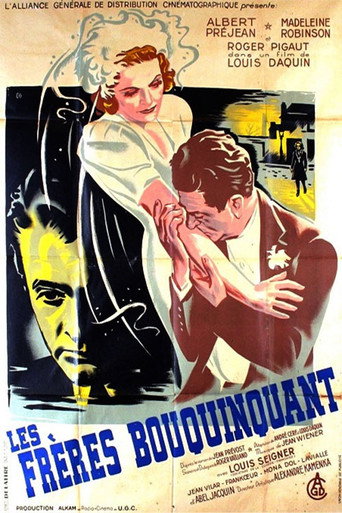
The Bouquinquant Brothers
A provincial, Julie Moret, is hired as a servant in a Parisian bourgeois residence. She is courted by one of the Bouquinquant brothers, Léon, who does not take long to ask her to marry him. Alas, Léon turns out to be violent, alcoholic and lazy. Faced with her misfortune, Julie gets closer to her brother-in-law Pierre, the opposite of Léon, serious and hardworking, and they become lovers. The drama will rush when Julie becomes pregnant with Pierre.
Gallery